Lavender Oil Strength for Skin: Percentages to Drops
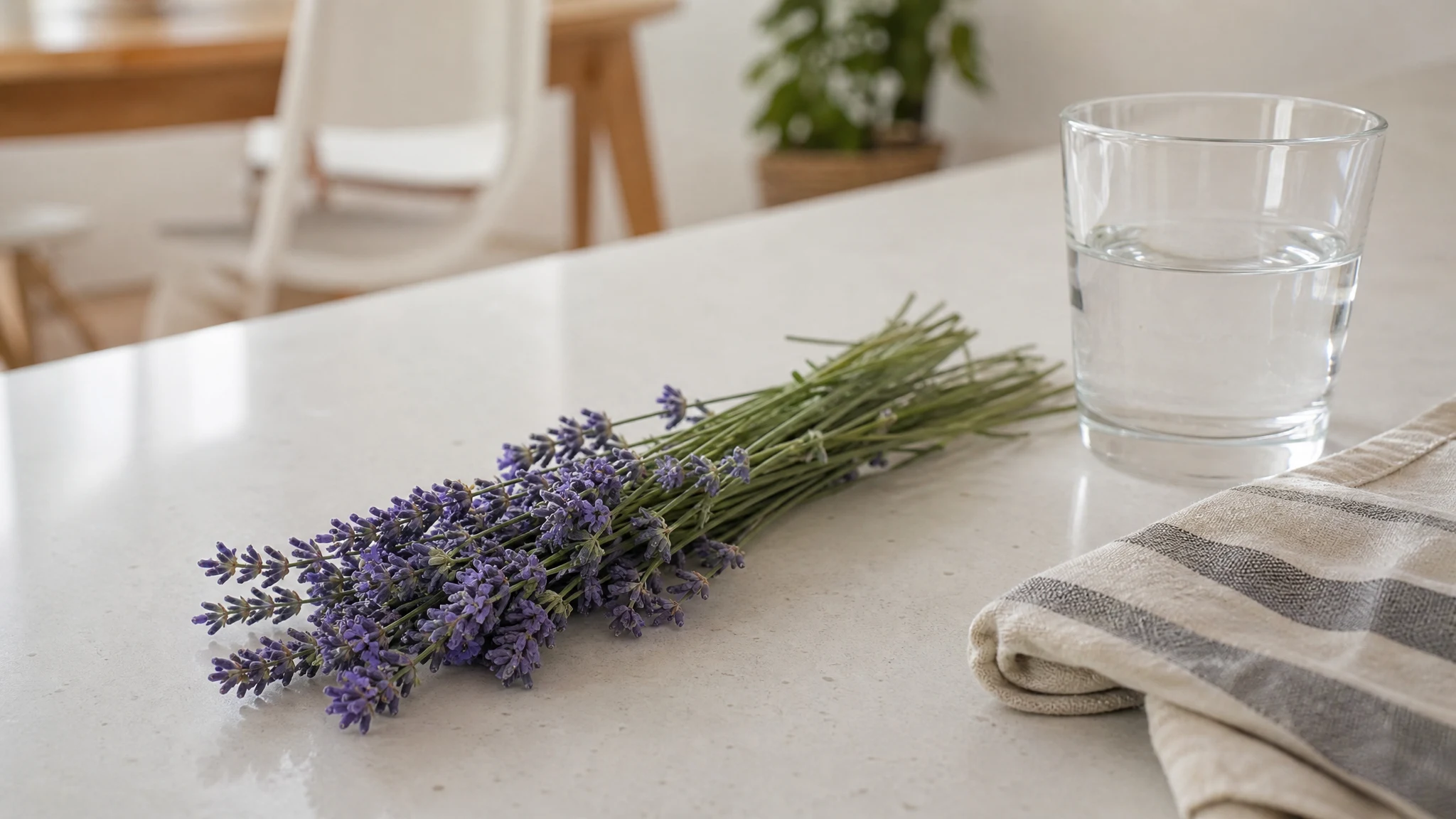
"How much lavender oil is gentle?" is the question behind most skin recipes, and the answer is more interesting than a single number. We sell lavender oils neat, so the dilution is yours to make. Here is how the numbers fit together, how to turn a percentage into drops, and what we would choose.
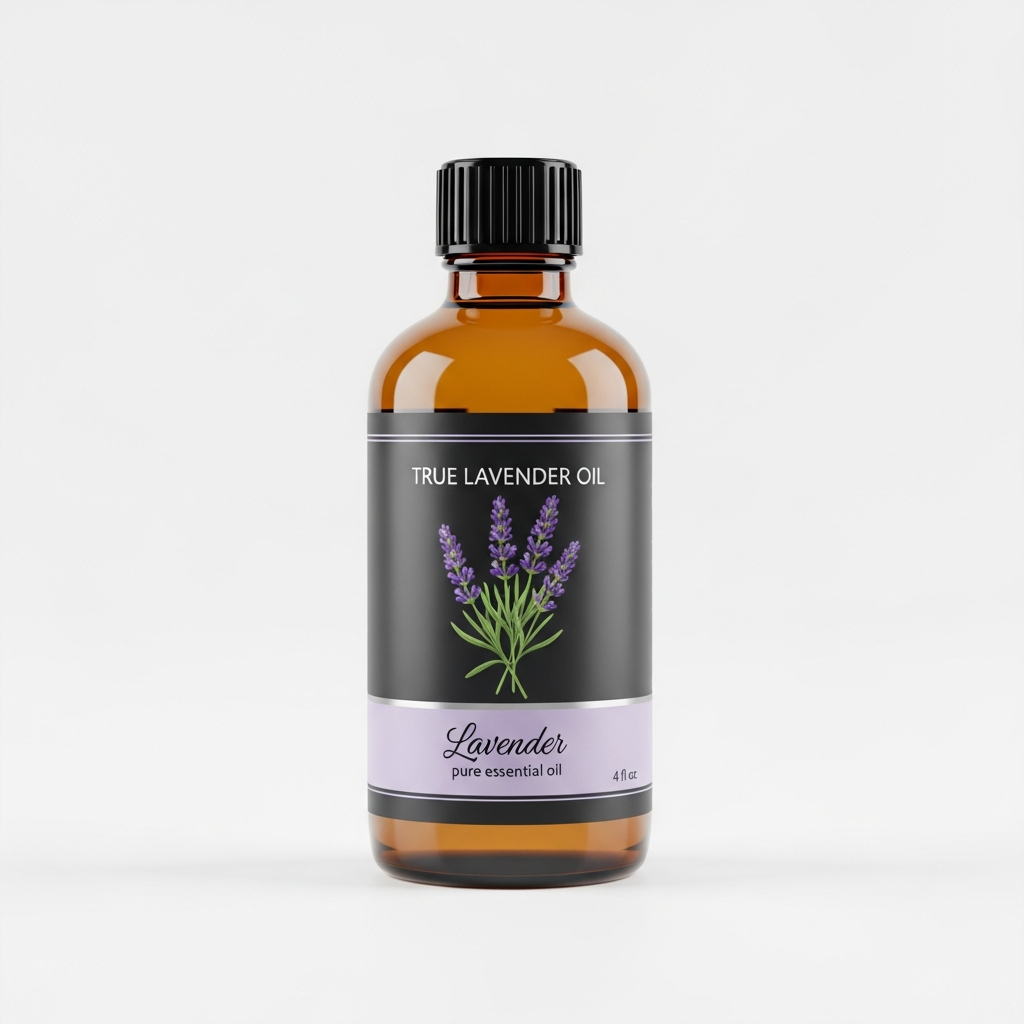
Lavender Essential Oil
Our own Lavender Essential Oil, in sizes from 0.5 oz to bulk.
From $12.99
Shop Now →From percentages to drops
Our dilution guidance for skin is 0.5% to 2% in a carrier, with a patch test first. One ounce of carrier is 29.57 ml, and 20 drops to a millilitre is a rough convention that varies by dropper, so treat these as approximate:
| Strength | Oil in 30 ml (1 oz) of carrier | Roughly in drops | Oil in 100 g of product |
|---|---|---|---|
| 0.5% | about 0.15 ml | 3 | 0.5 g |
| 1% | about 0.3 ml | 6 | 1 g |
| 2% | about 0.6 ml | 12 | 2 g |
If you weigh, the batch on the certificate of analysis we publish (true lavender, one batch) had a relative density of 0.894, so 1 ml of that oil weighs about 0.894 g. We publish no density for the other three oils, so a scale beats a conversion. Our dilution guide goes through carriers.
Where we start, and why
The Tisserand Institute lists 1% to 3% for body oils and lotions, 0.5% to 1.2% for facial products and 0.2% to 1% for sensitive or impaired skin (Tisserand Institute, Dilution for essential oils). Those are general ranges for essential oils, not a lavender ceiling, and we did not find a lavender-specific one to add. So we start at the low end of our own range: 0.5% to 1% for leave-on products and about 0.5% for the face. If you want to go higher, 2% is where we would stop, and the species matters, since spike lavender and lavandin are more camphor-edged than true lavender.
What about the large numbers you might see? The European Medicines Agency's review of true lavender oil mentions that at 16% in petrolatum it caused no irritation in a 48 hour closed patch test and no sensitisation in a maximisation test, drawn from a 1976 study. The same report says that contact dermatitis may be possible in rare cases and that no structured clinical research has been done on cutaneous use (EMA, Assessment report on Lavandula angustifolia Miller, aetheroleum and Lavandula angustifolia Miller, flos). That is a reassuring short patch result for one species, and it is a very different thing from daily use for months. Reasoning from both, we keep products well under it.
Fresh oil matters
The most useful practical insight in the literature is about air. In a 2008 study, lavender oil exposed to air oxidised at the same rate as its pure components, and the exposed oil became a stronger sensitiser and triggered reactions in people already allergic to oxidised linalool (Lavender oil lacks natural protection against autoxidation, forming strong contact allergens on air exposure). In a six-country study, 6.9% of 2,900 dermatitis patients reacted to oxidised linalool (Air-oxidized linalool: a frequent cause of fragrance contact allergy). Those were clinic patients, so it is not a rate for everyone, but it points to simple habits:
- Keep the cap tight and the bottle in a cool, dark cabinet, as we advise for all four oils.
- Make small batches of diluted product and use them up.
- Remember a patch test on day one cannot show how skin feels about daily use over months; our patch test post explains the limits.
Making your first small bottle
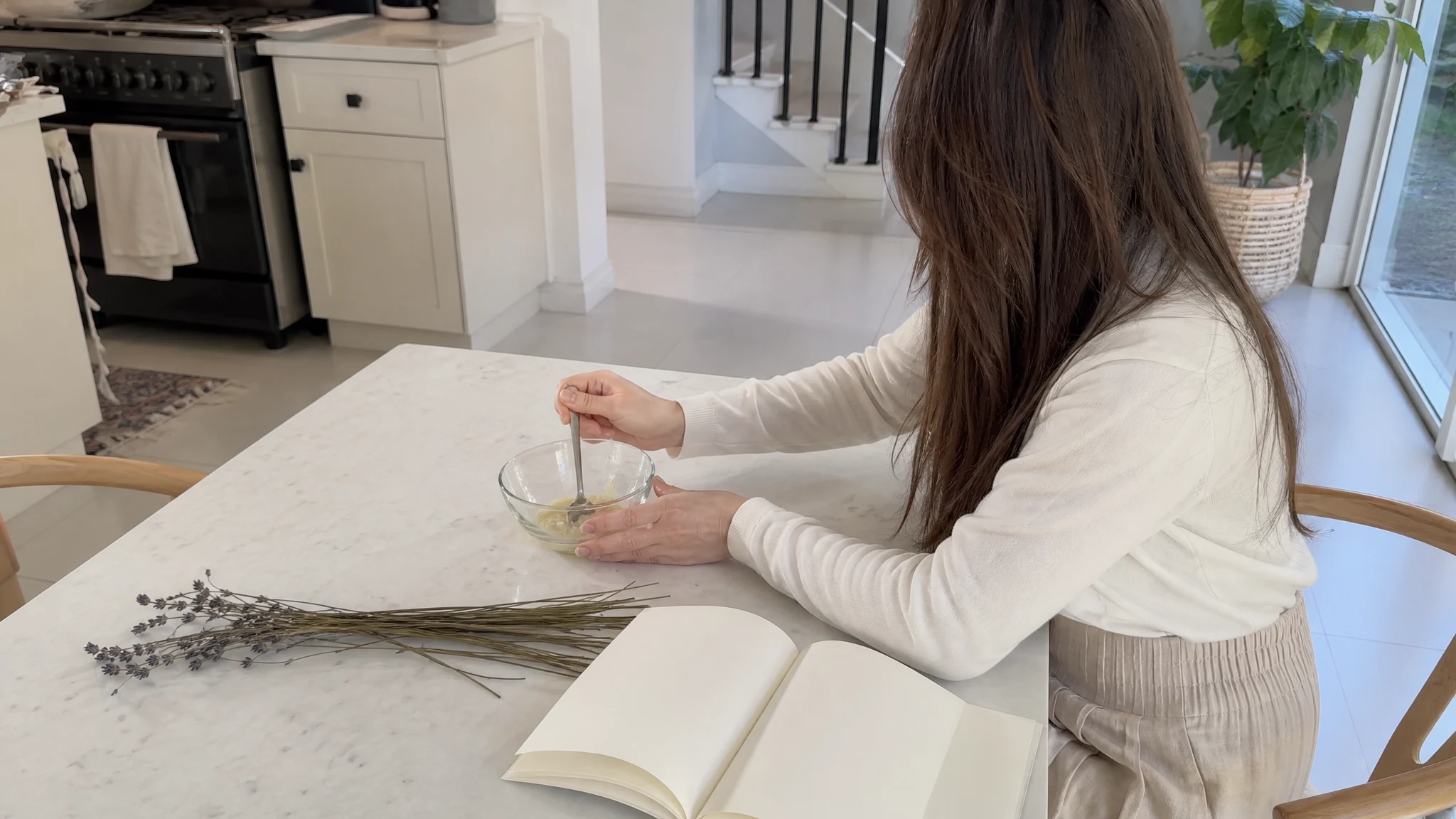
Numbers on a page feel tidier than they are at the workbench, so here is how we would actually go about it. Start with a clean glass bottle and the carrier oil already in it. Add the lavender one drop at a time, counting out loud if you have to, and stop at the low end. You can always add a drop later, but you cannot take one out. Tilt the bottle slowly a few times, since shaking hard only fills it with bubbles, and write the strength and the date on a label before you forget which batch is which.
A small bottle also teaches you what you like. Make a 30 ml bottle, use it for a week or two, and you will know whether the scent suits you before you commit to a larger batch.
What you will notice at each strength
Strength is easier to choose once you know what to expect from your nose. At 0.5% the scent stays close to the skin: you will catch it when you lift your wrist, and it fades into the background after a few minutes. At 1% it is a soft halo that you can pick up when you move. At 2% it starts to fill the space around you, and for most people that is already more than they wanted from a leave-on oil.
That is part of why we keep recommending the low end. Lavender is a scent that works best when it is a whisper, and a bottle that smells gentle on day one is a bottle you will keep reaching for.
Matching strength to the product
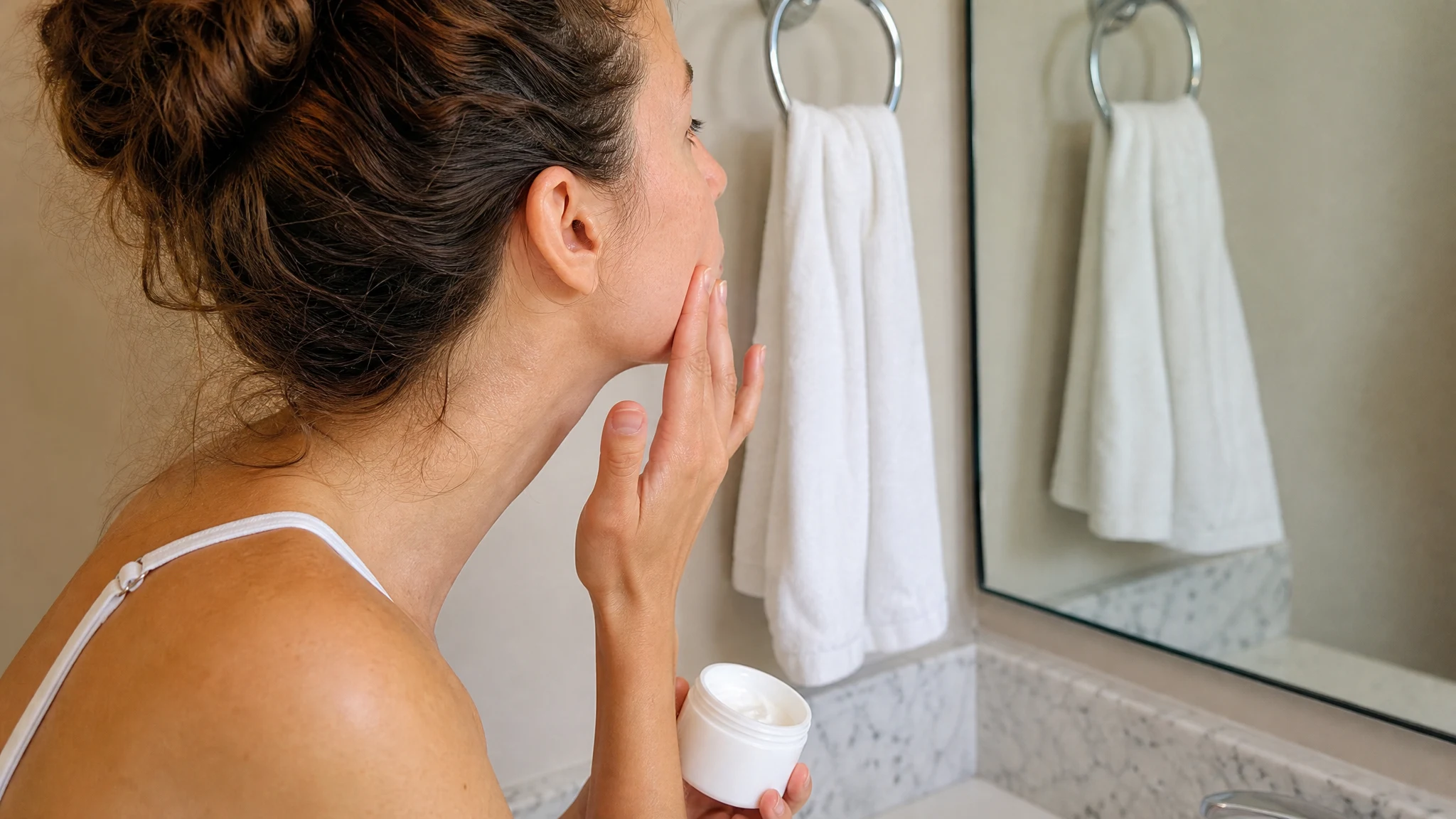
For leave-on body oils we suggest 0.5% to 1%, and for a face oil 0.5%. Reasoning from how long a product stays on skin, a larger area or daily use argues for staying low, and broken skin, a rash or known fragrance allergy argues for asking a dermatologist first. For babies, children and pregnancy, ask the relevant doctor. We think a light touch is also the better aroma, since lavender in a leave-on oil is meant to be a whisper. For the scent differences among our four oils, see true, spike and lavandin, and for a closer look at neat application, our neat application post.
A modest dilution of fresh oil, made in small batches, is a lovely way to enjoy the scent.
Lavender Essential Oil
Lavender Essential Oil from our own shop, in sizes from 0.5 oz to bulk.
From $12.99
Shop Now →Sources & Further Reading
- Tisserand Institute, Dilution for essential oils
- EMA, Assessment report on Lavandula angustifolia Miller, aetheroleum and Lavandula angustifolia Miller, flos
- Hagvall L et al., Lavender oil lacks natural protection against autoxidation, forming strong contact allergens on air exposure. Contact Dermatitis, 2008
- Bråred Christensson J et al., Air-oxidized linalool: a frequent cause of fragrance contact allergy. Contact Dermatitis, 2012