DIY Lavender Projects: Four Decisions to Make First
Most lavender recipes begin with the fun part: a jar, a spoon, a few drops of oil. The recipe is really just arithmetic, though, and the decisions that make or break a project come before it. Settle four things first, in this order: what you are making, which lavender oil suits it, how much oil the product can carry, and how you will keep the oil fresh. Every formulation on this site is worked out from published guidance and simple math, so treat this page as the map that gets you to the right post.
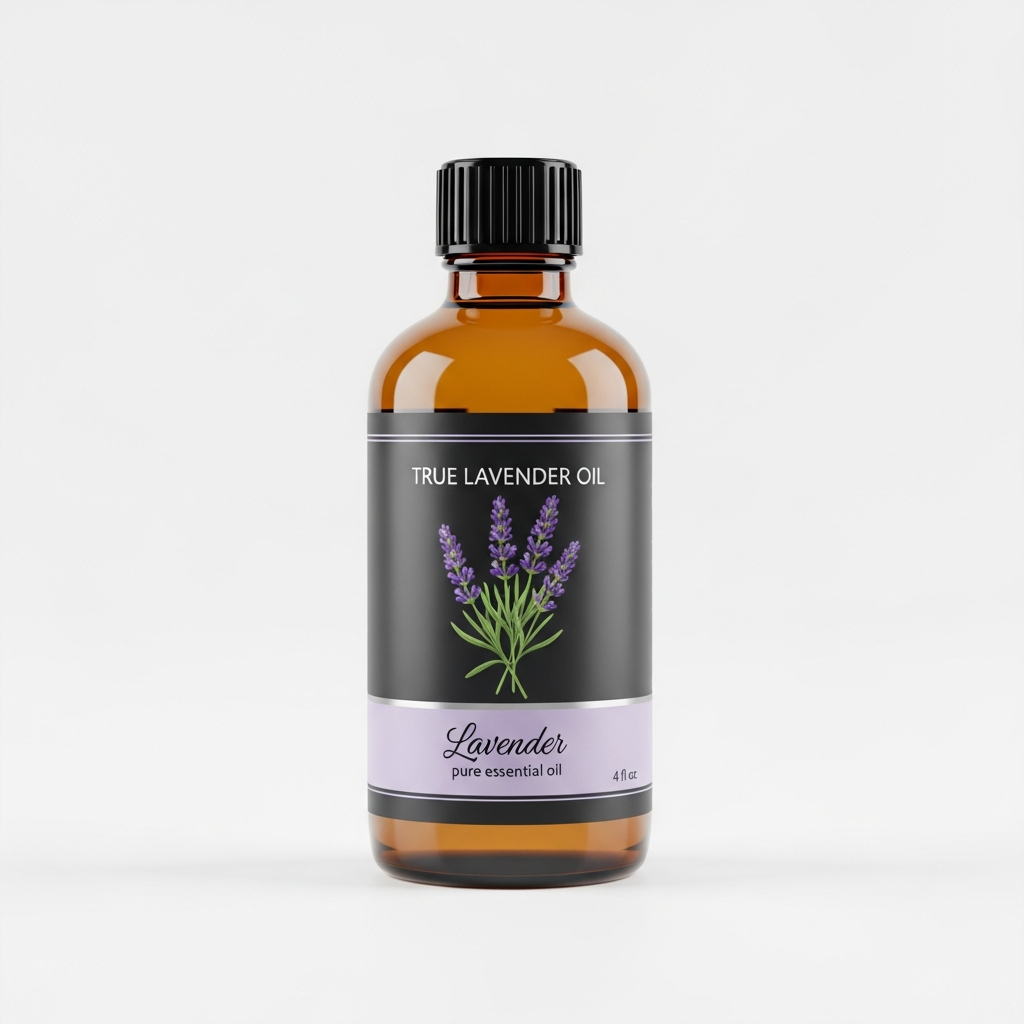
Lavender Essential Oil
Our own Lavender Essential Oil, in sizes from 0.5 oz to bulk.
From $12.99
Shop Now →First, how will it touch you?
Sort your project by contact, because contact sets how careful you need to be.
- Stays on skin, such as a face oil, a body butter or a roll-on: this is the strictest category, and the one where the dilution guide matters most.
- Rinses off, such as soap, bath salts or a sugar scrub: less contact time, though the oil still meets skin and sometimes eyes.
- Scents air or fabric, such as a linen spray or a candle: no skin contact by design.
- Cleans a surface, as in our cleaning post. A pleasant scent is not a disinfectant, and we make no germ-killing claim for any of our oils.
If the project is for a baby, a pregnancy, a pet or a medical purpose, start with the right professional instead. The National Center for Complementary and Integrative Health notes that little is known about lavender in pregnancy or while breastfeeding, and that topical lavender may cause allergic skin reactions in some people.
Then, which of our oils?
We sell four lavender-family oils, and they smell different, so they are not interchangeable.
| Oil | How we describe the aroma | Blends we suggest |
|---|---|---|
| Lavandula angustifolia | Soft, floral and gently herbaceous with a clean, sweet finish | Citrus, cedarwood, chamomile, bergamot, clary sage, geranium |
| Lavandin grosso | Fresh, herbaceous and floral with a camphor-tinged lift | Rosemary, cedarwood, bergamot, clary sage, geranium, patchouli |
| Spike lavender | Sharp, camphoraceous and herbaceous with little sweetness | Rosemary, eucalyptus, cedarwood, lemon, pine, peppermint |
| 40/42 | Smooth, sweet and floral-herbaceous; the species is not specified | Bergamot, clary sage, geranium, cedarwood, patchouli, lemon |
Reading those descriptions, a skin product you want to smell soft points to the angustifolia oil, while the sharper oils suit a linen spray or a cleaning mix where a brisker note is welcome. Once you pick one, stay with it through the whole project; changing oils midway and keeping the same numbers is how a recipe drifts. We also do not sell the other oils in those pairing lists, nor carriers, wax, soap base or bottles, so those come from a craft supplier, pharmacy or grocery store. If 40/42 matters to your formulation and you need to know its species, ask us in writing before ordering.
How much oil? The arithmetic
Our oils are sold neat, so the dilution is yours to make. Our guidance for skin is 0.5% to 2% in a carrier, with a patch test first, and our own suggestion is to start at the low end, particularly for the face. We do not call any percentage safe for your product; a leave-on, rinse-off and face product are different cases, and published industry standards from IFRA are the place to check the limit for yours. With roughly 20 drops to a milliliter, the conversion looks like this:
| Batch | 0.5% | 1% | 2% |
|---|---|---|---|
| 30 ml of carrier (about 1 oz) | 0.15 ml, about 3 drops | 0.3 ml, about 6 drops | 0.6 ml, about 12 drops |
| 100 g of finished product | 0.5 g of oil | 1 g of oil | 2 g of oil |
A scale beats a dropper every time. When more than one essential oil goes in, our reasoning is that the percentage covers all of them together, and each added oil has its own safety profile to look up. Start with one oil in one carrier and change a single variable at a time, so that if skin objects you know why.
Keeping the oil fresh
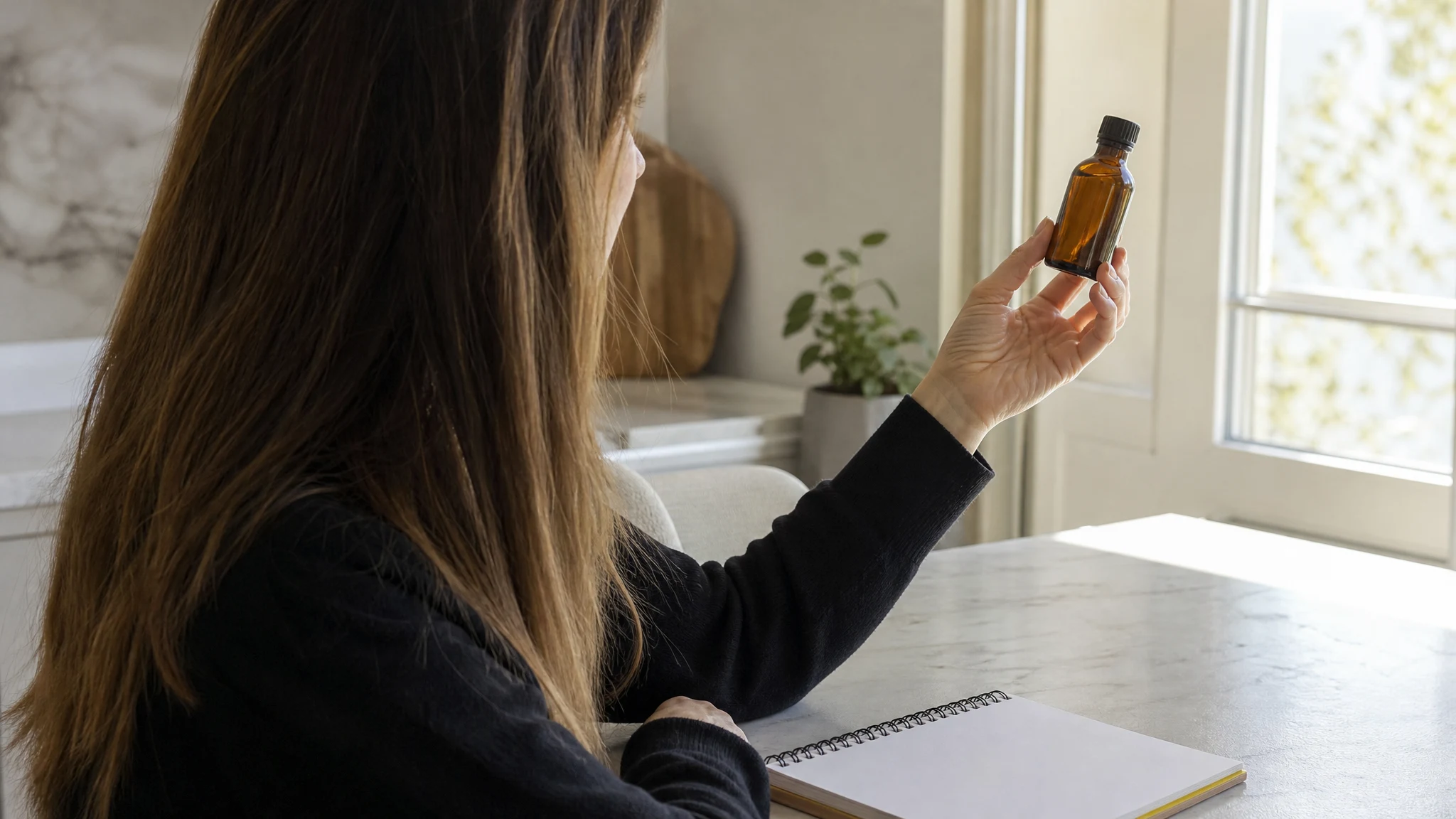
Lavender oil reacts with air over time, and the oxidized material is the more allergenic form. A 2008 study found that linalyl acetate, the main ester in lavender oil, showed a sensitizing strength of 25% (EC3) when fresh and 3.6% after ten weeks of air exposure, where a lower number means stronger. In practice, a bottle left open on a warm shelf is not the oil you bought. We describe our oils as typically stable for two to three years, stored tightly capped in a cool, dark cabinet away from heat and sunlight, and our storage guide covers the details. Our carrier oil article helps with the other half of the jar.
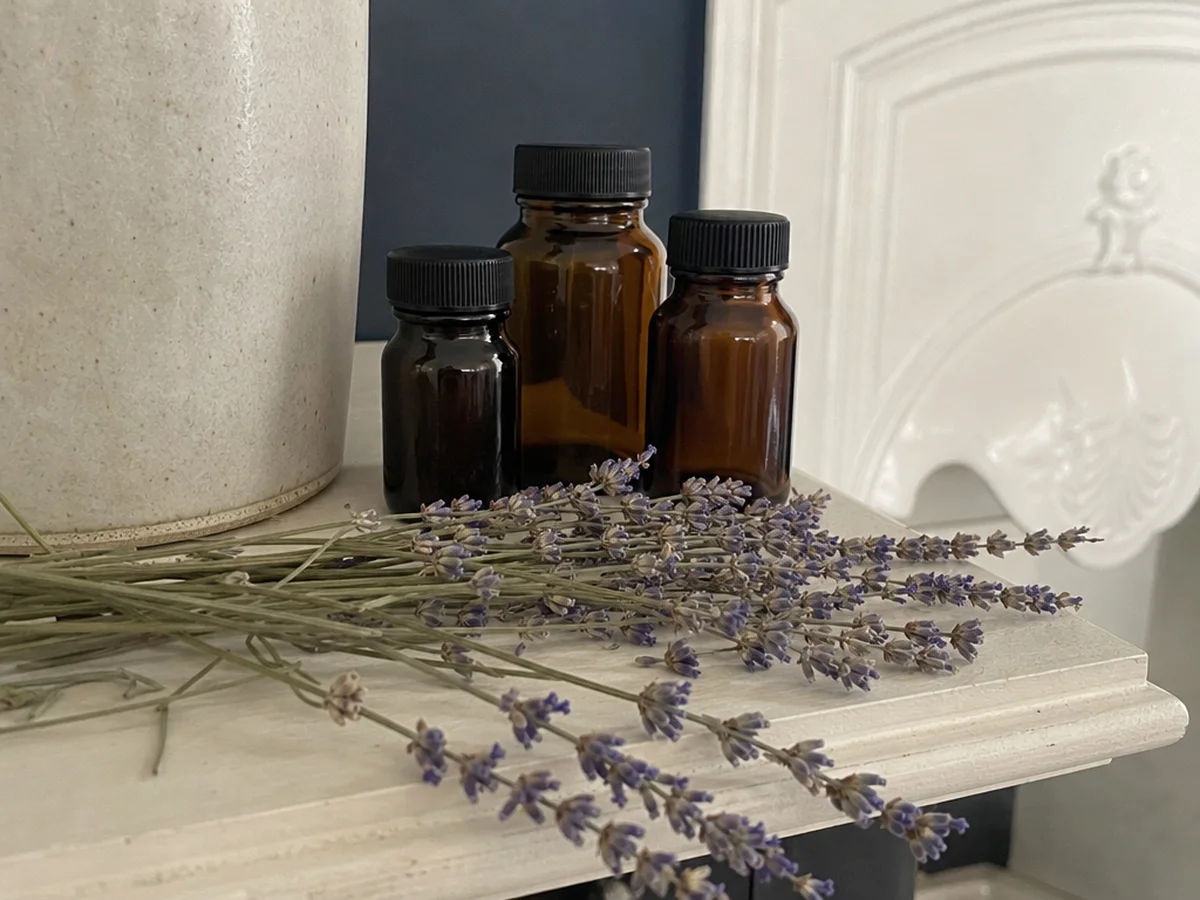
Set up the workspace
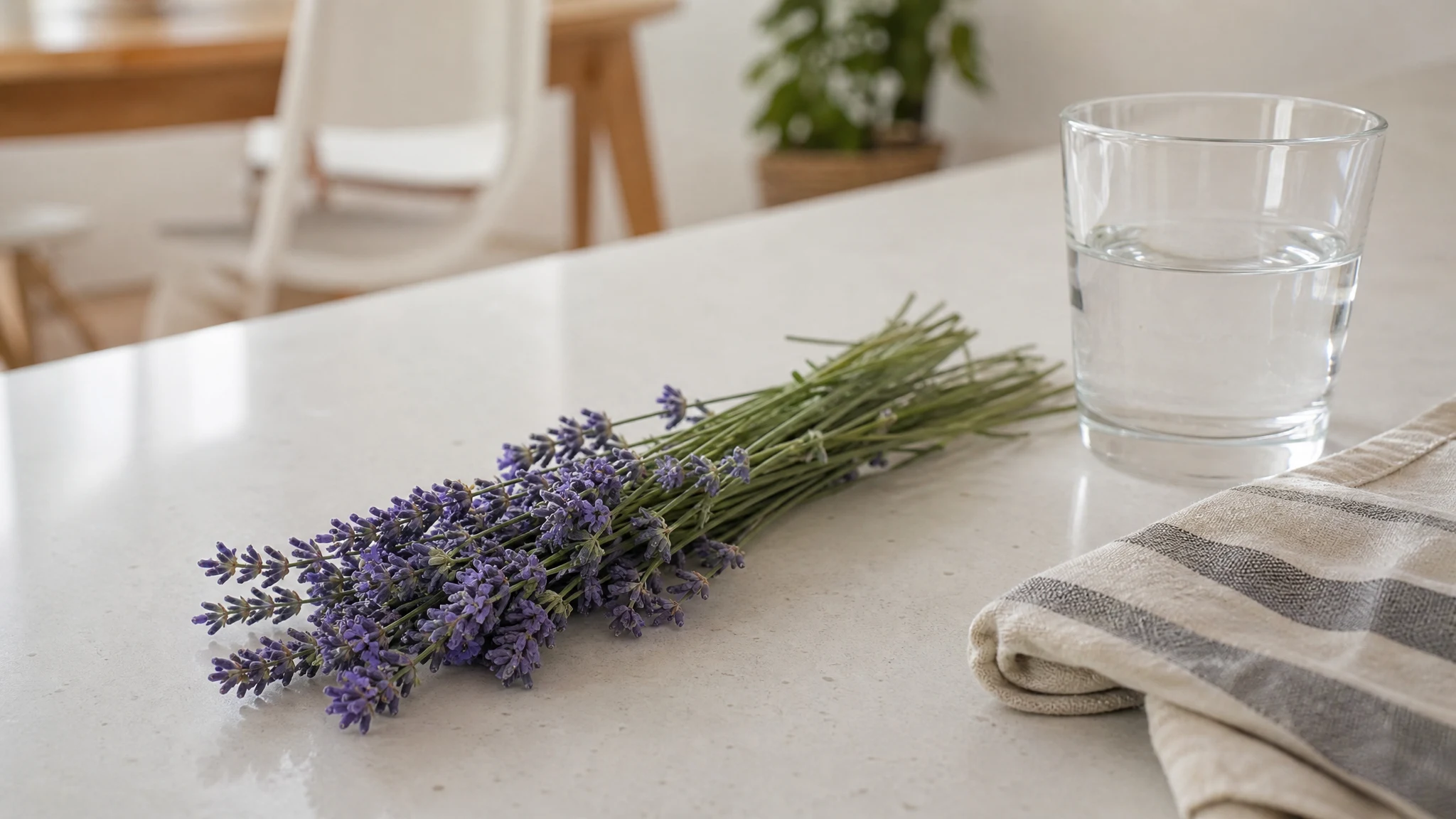
Clear a counter, put down paper towels and gather your jars, spoons and labels before you open any bottle. Wash and dry everything well first. Keep the oil capped until the moment you measure, and cap it again straight after. A tidy table means fewer spills, less wasted oil and a more enjoyable afternoon, and it makes it far easier to write down exactly what went into the jar.
Selling what you make
If a finished product goes beyond your own household, claims matter. The FDA says an aromatherapy product's status depends mainly on how it is intended to be used, and that claims such as helping you sleep or easing anxiety are drug claims. Your own regulator or a cosmetic regulatory consultant can tell you what else applies. Our glossary defines the label terms you will meet, and if you are building a product line, the wholesale page explains how we work with makers.
Make a small test batch, label everything with the date, and treat the first jar as a draft.
Lavender Essential Oil
Lavender Essential Oil from our own shop, in sizes from 0.5 oz to bulk.
From $12.99
Shop Now →Sources & Further Reading
- National Center for Complementary and Integrative Health. Lavender: Usefulness and Safety. nccih.nih.gov/health/lavender
- Sköld M, Hagvall L, Karlberg AT. Autoxidation of linalyl acetate, the main component of lavender oil, creates potent contact allergens. Contact Dermatitis, 2008. europepmc.org/article/MED/18154552
- US Food and Drug Administration. Aromatherapy. fda.gov/cosmetics/cosmetic-products/aromatherapy