Lavender Soy Candles: How Much Scent to Add
Lavender is a candle classic for good reason: the scent reads as clean, familiar and a little bit old-fashioned in the best way. What surprises first-time makers is how small a part of the candle the oil is. A jar of soy wax is almost entirely wax, and the lavender is a few percent of the weight, yet it decides everything you smell. Getting that few percent right is where the craft is.
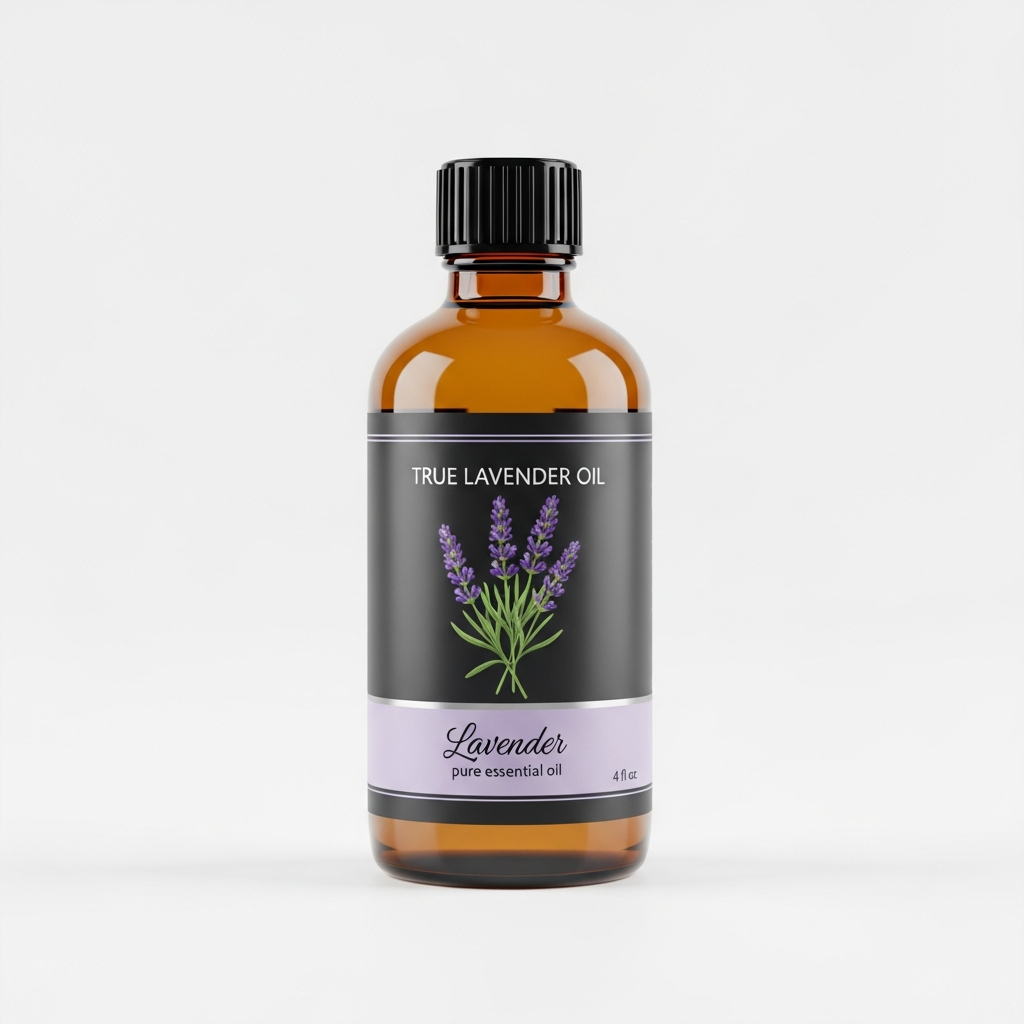
Lavender Essential Oil
Our own Lavender Essential Oil, in sizes from 0.5 oz to bulk.
From $12.99
Shop Now →Pick the lavender by the scent you want to light
We sell four lavender-family oils, and for a candle the first decision is simply which aroma you want filling the room. Our true lavender (Lavandula angustifolia) is soft and floral with a clean, sweet finish. Lavandin grosso is fresher, with a camphor-tinged lift over a familiar floral heart. Spike lavender is sharp and herbaceous with a green edge and little sweetness. The fourth, sold under the trade name 40/42, is smooth, sweet and floral-herbaceous, and its page does not state the species. If the exact identity matters to you, for instance because you will sell the candles and need to label them, contact us before ordering; our varieties guide compares the four side by side.
The Certificate of Analysis we publish covers one batch of the angustifolia oil and lists appearance, smell, relative density (0.894) and refractive index. If you are selling candles and your insurer or marketplace wants documents such as an SDS, ask us in writing through the contact page for what you need for your lot before you order.
Fragrance load: let the wax maker set the ceiling
Every candle wax comes with a data sheet, and that sheet is the authority on two numbers that matter more than anything we can say: the maximum fragrance load for that wax, and the temperature at which to stir the fragrance in. We sell no wax, wicks or jars, so a candle-making supplier is where you will get them along with wick sizing for your jar. Follow their figures.
What we can add is arithmetic, to show how the weights work. These examples are for 200 g of wax, using 0.894 g/ml for the angustifolia batch on our certificate (we publish no density for the other three oils) and about 20 drops per ml, which varies by dropper:
| Fragrance load | Oil by weight | Oil by volume | Drops (about) |
|---|---|---|---|
| 3% | 6 g | 6.7 ml | 134 |
| 5% | 10 g | 11.2 ml | 224 |
| 8% | 16 g | 17.9 ml | 358 |
Treat those as a way to see the scale, not a recommendation for your wax. The practical lesson is that counting two hundred drops is a good way to lose your place, so weigh the oil on a scale that reads to 0.1 g. A few more points: more oil is not automatically a stronger or better candle, and your wax maker's ceiling exists for a reason, so stay at or below it.
Smell it cold, then smell it lit
A candle gives you two different scents, and both deserve a notebook. The unlit candle tells you how the oil came through the wax: hold the jar a few inches from your nose and take a gentle sniff. The lit candle tells you how it fills a room, and that usually takes a little while, so give it time before you judge. Write down the wax, the weight of oil, the jar and what you noticed, so the second batch can start from a real note instead of a guess.
Make your first jars small. A small jar costs less in wax and oil if the first attempt is too faint or too loud, and it is much easier to adjust one thing at a time. Change the load by a small step, change nothing else, and compare.
What happens once it is lit
A burning candle is a combustion source, scented or not. A chamber study tested candles made from four waxes with five fragrances, along with unscented controls, 24 experiments in an 8 cubic metre chamber, and detected a range of gases and fine particles from all of them (Salthammer et al., 2021). The study was about candles as a group and does not single out lavender. Our takeaway is a practical one: burn candles in a room with fresh air, trim the wick, never leave one unattended, and think twice about a small closed room or someone in the household who is sensitive to smoke.
Handling the neat oil
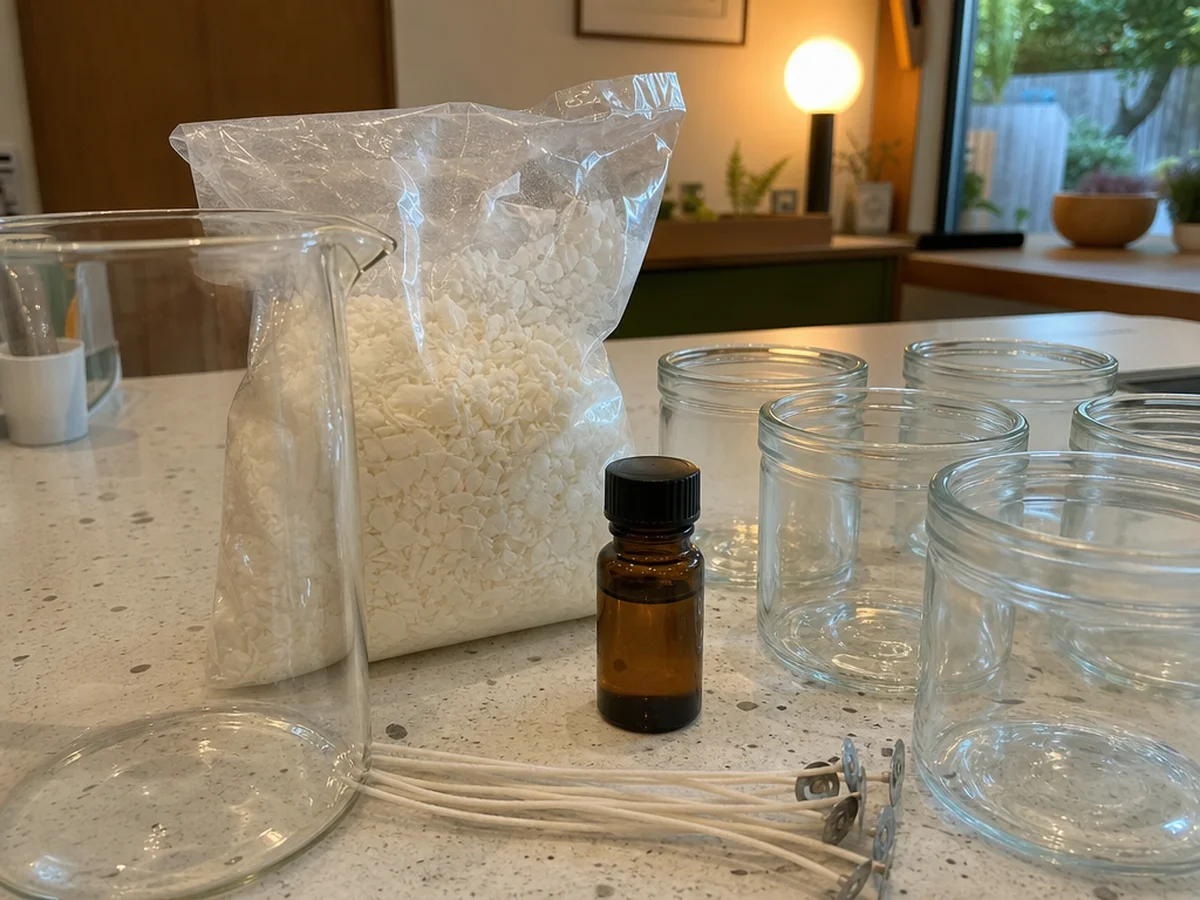
You will be pouring undiluted oil, and in larger quantities than most skin projects. That is a good reason for gloves. Air-exposed lavender oil oxidizes and becomes a stronger skin sensitizer (Hagvall et al., 2008), and the NCCIH notes that topical products containing lavender may cause allergic skin reactions in some people (NCCIH). So cap the bottle between pours, store it cool and dark, and wipe spills quickly. Our guide to lavender and allergy covers what to watch for.
If you are pregnant or nursing, NCCIH says little is known about lavender in those times (same page), and our disclaimer asks you to talk to your physician. Keep oils away from children and pets, and see lavender oil and cats before scenting a room a cat shares.
Labels and gifts
We keep our claims about lavender to aroma, and we suggest the same for your candles: describe the scent and leave out promises about sleep, mood or air. A simple label with the date, the oil you used and its scent notes is lovely on a gift, and it keeps things honest. For more seasonal ideas, our summer lavender projects are a good next read.
A first batch works best small and weighed, with notes on the oil and the load so you can adjust the next one. Scent is the fun part, and now you know where to put the numbers.
Lavender Essential Oil
Lavender Essential Oil from our own shop, in sizes from 0.5 oz to bulk.
From $12.99
Shop Now →Sources & Further Reading
- Salthammer et al., 2021. Measurement and evaluation of gaseous and particulate emissions from burning scented and unscented candles. Environ Int. pubmed.ncbi.nlm.nih.gov/33964641
- Hagvall et al., 2008. Lavender oil lacks natural protection against autoxidation, forming strong contact allergens on air exposure. Contact Dermatitis. pubmed.ncbi.nlm.nih.gov/18759894
- NCCIH. Lavender: Usefulness and Safety. nccih.nih.gov