Summer Lavender: A Linen Spray and Sachet Guide
Summer asks different things of lavender than winter does. Windows are open, linens are drying on the line, and a bundle of dried flowers in a drawer is suddenly very appealing. Two summer projects are worth getting right: a fabric spray that actually mixes, and a sachet that smells good for the whole season instead of an afternoon. Both come down to understanding what lavender oil does when it meets water and when it meets fabric.
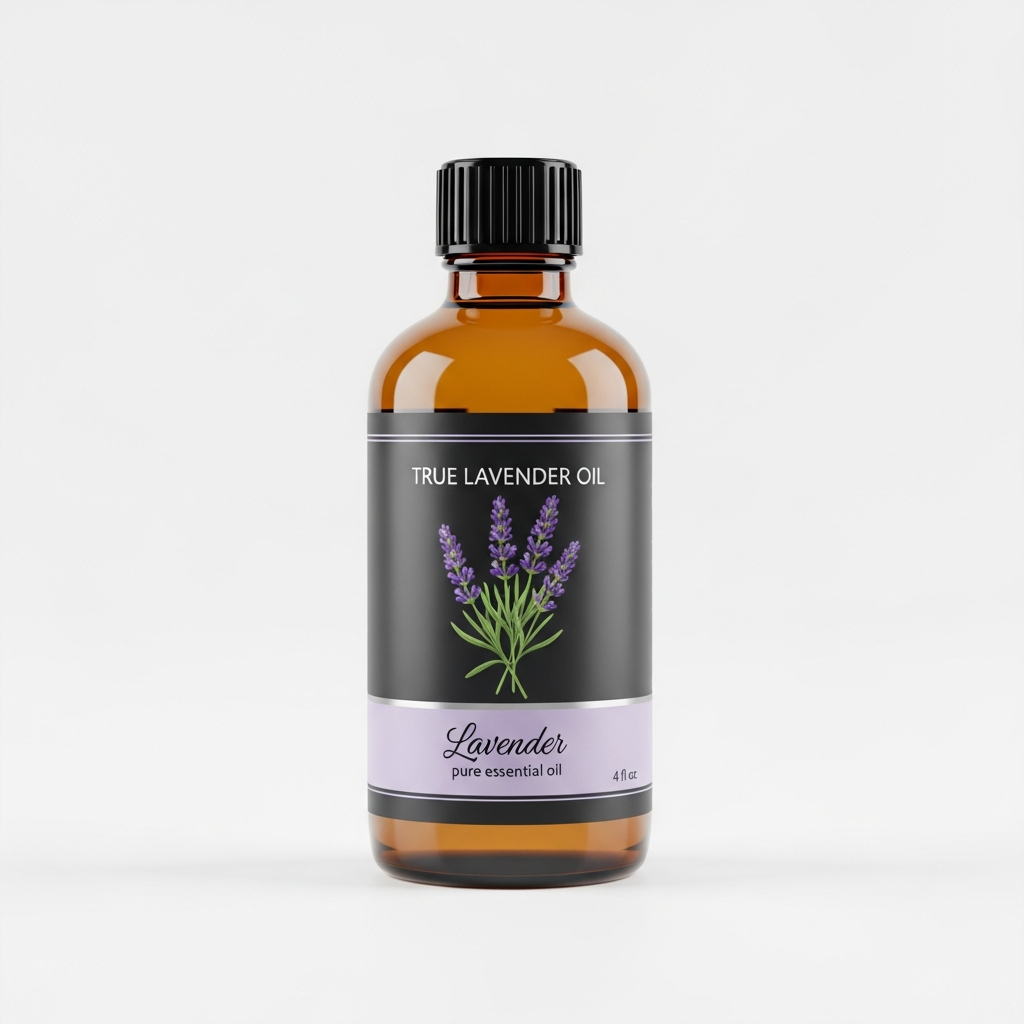
Lavender Essential Oil
Our own Lavender Essential Oil, in sizes from 0.5 oz to bulk.
From $12.99
Shop Now →A spray that stays mixed
Lavender oil does not dissolve in water, which is the reason homemade sprays so often leave a layer of oil floating on top. The Tisserand Institute makes the point plainly: oil and water don't mix. For water-based sprays it describes polysorbate 20 as a safe way to disperse essential oils in water, with a starting ratio of 1:1, oil to polysorbate, and 2 to 3 percent of the product as the ideal polysorbate amount (Tisserand Institute, Bath Safety).
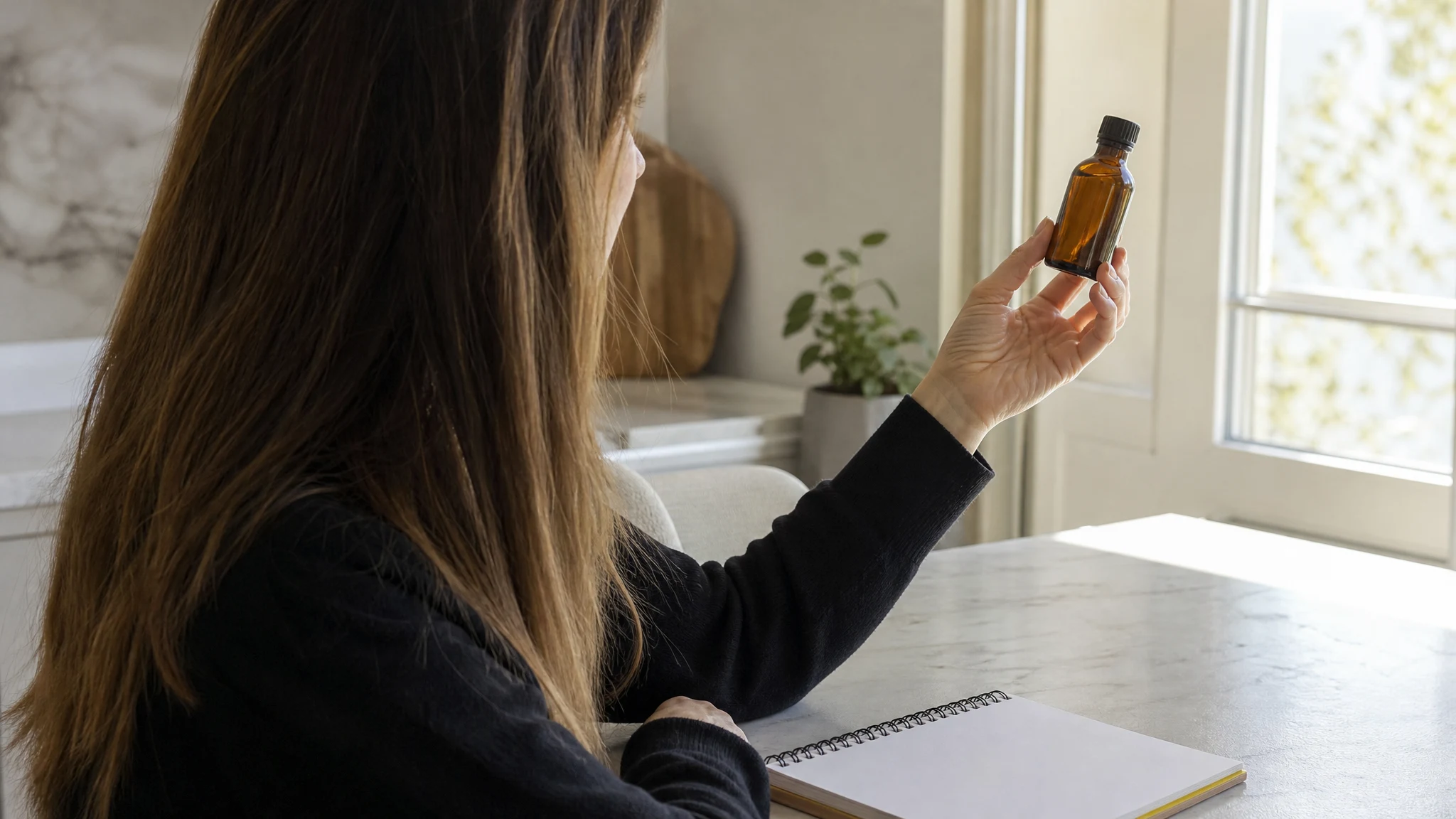
Here is a formulation worked out from that guidance and the arithmetic. For a 100 ml linen spray: 1 ml lavender oil (about 20 drops, at the usual rough count of 20 drops per ml), 2 ml polysorbate 20, and 97 ml distilled water. That makes a 1% oil spray with 2% polysorbate, above the 1:1 starting ratio, and the oil and surfactant go together first before the water is added. Shake before each spritz. Polysorbate 20 and spray bottles are things you will find at a craft or cosmetic supply shop, because we sell only the lavender oils.
Water brings one more consideration. A review of cosmetics preservation explains that products containing water need protection against microbial contamination, and that proper preservation is validated by testing (Halla et al., 2018). A small batch kept cool and used within a short time is a reasonable approach for linens, and a preservative from a supplier, used at the rate on its label, is better for anything you want to keep. If the scent changes or the liquid turns cloudy, make a fresh batch.
Because a blanket or a pillowcase touches skin, a lighter hand is wise. Our own guidance for lavender oil on skin is 0.5% to 2% in a carrier with a patch test first, and the Tisserand Institute lists 0.5 to 1.2 percent for facial products and 1 to 3 percent for body oils and lotions, so 1% sits comfortably inside the range. Published limits for lavender differ by species, so check them for the oil you are using. Keep sprays away from faces, eyes and food, and see putting lavender oil on skin for more.
A sachet and what the flowers already hold
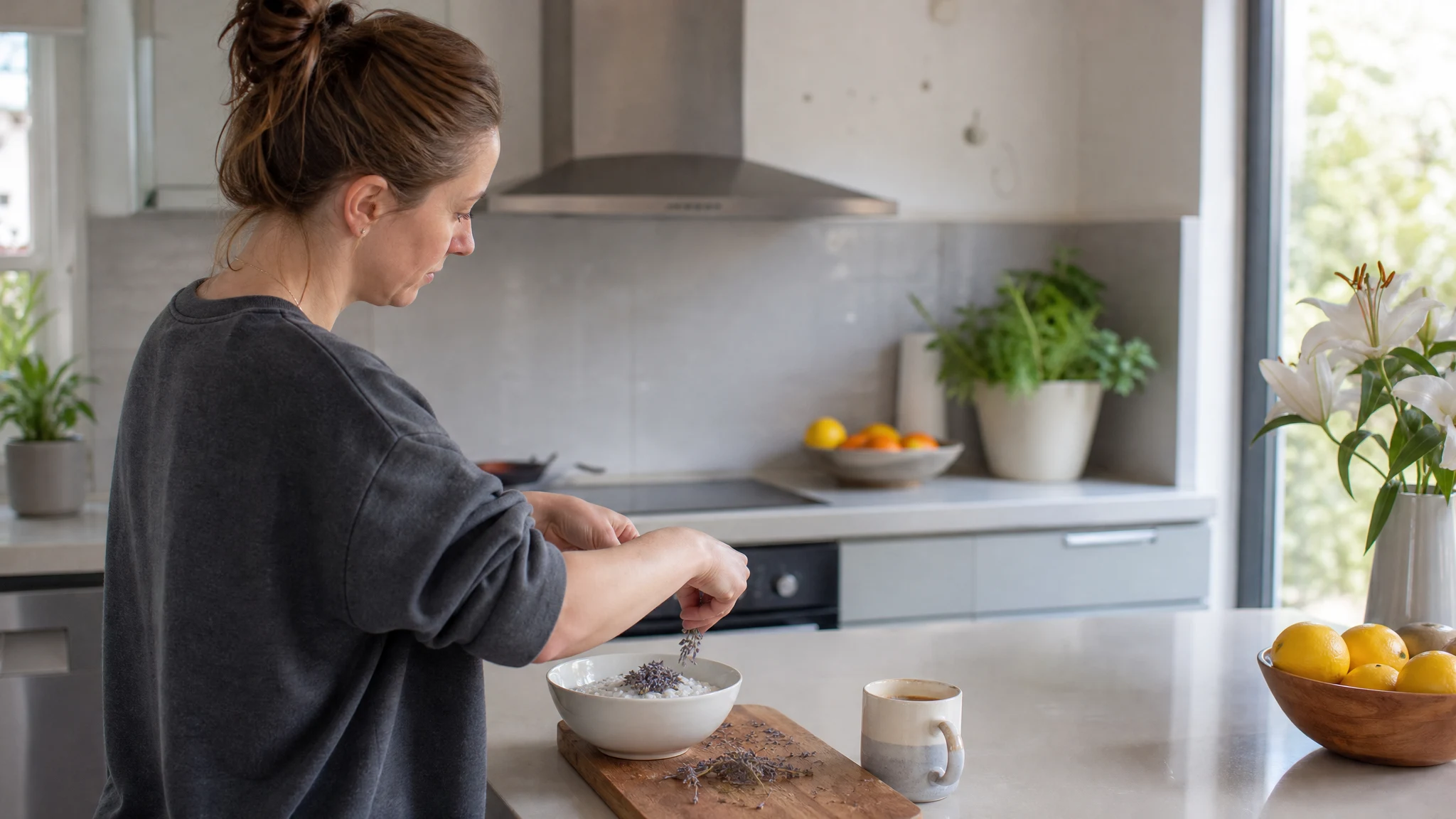
Dried lavender buds already carry a good deal of oil. The European Pharmacopoeia, according to a 2023 review, asks for at least 13 ml of essential oil per kilogram of flowers (Crisan et al.). That is a minimum for pharmacopoeia material, so 10 g of buds holds at least 0.13 ml of oil, which is two or three drops. This is useful arithmetic: a recipe that adds ten drops to a small sachet is adding several times what the flowers carry on their own.
That is why we would suggest a few drops, not a bottle, if you want to boost an old sachet. Oil on fabric has a lot of surface exposed to air, and lavender oil oxidises readily; a 2008 study found it lacks natural protection against autoxidation and forms contact allergens on air exposure (Hagvall et al.). A lightly scented sachet that sits in a drawer, not against bare skin, is a nicer idea than a saturated one anyway. Refresh it with a drop or two when the scent fades.
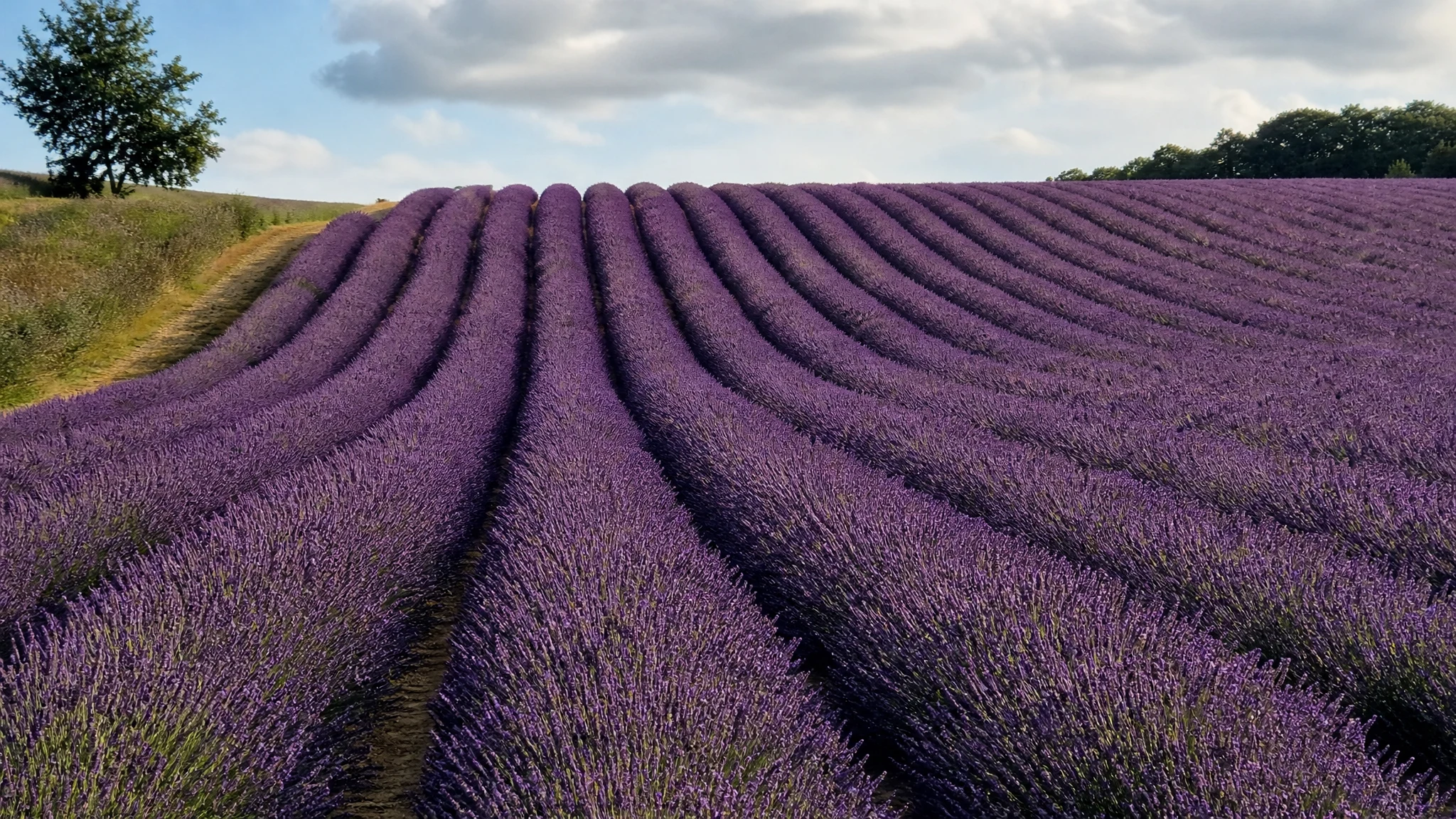
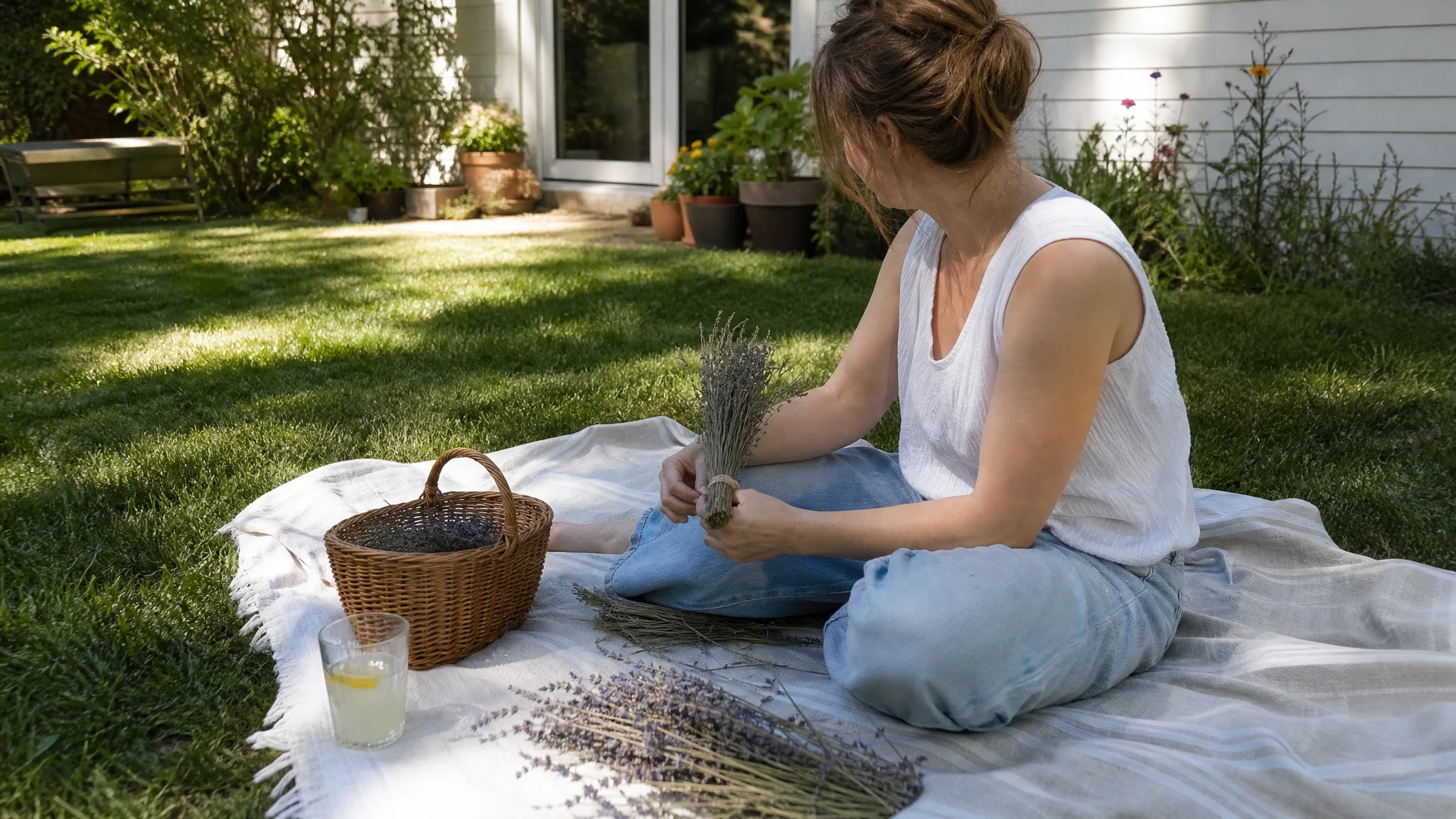
If you grow your own, Colorado State University Extension suggests cutting stems in the morning, when the oils are the most concentrated, once about half the flower buds have opened, then drying bundles in a cool, dark place with good air circulation. It also notes that lavandins produce more oil but not as high quality as the English lavenders. Our growing guide covers the garden side, and our linen spray recipe goes deeper on the spray. We do not sell dried buds, so a garden, a farmers market or a herb shop is where to get them.
Small details that make a sachet last
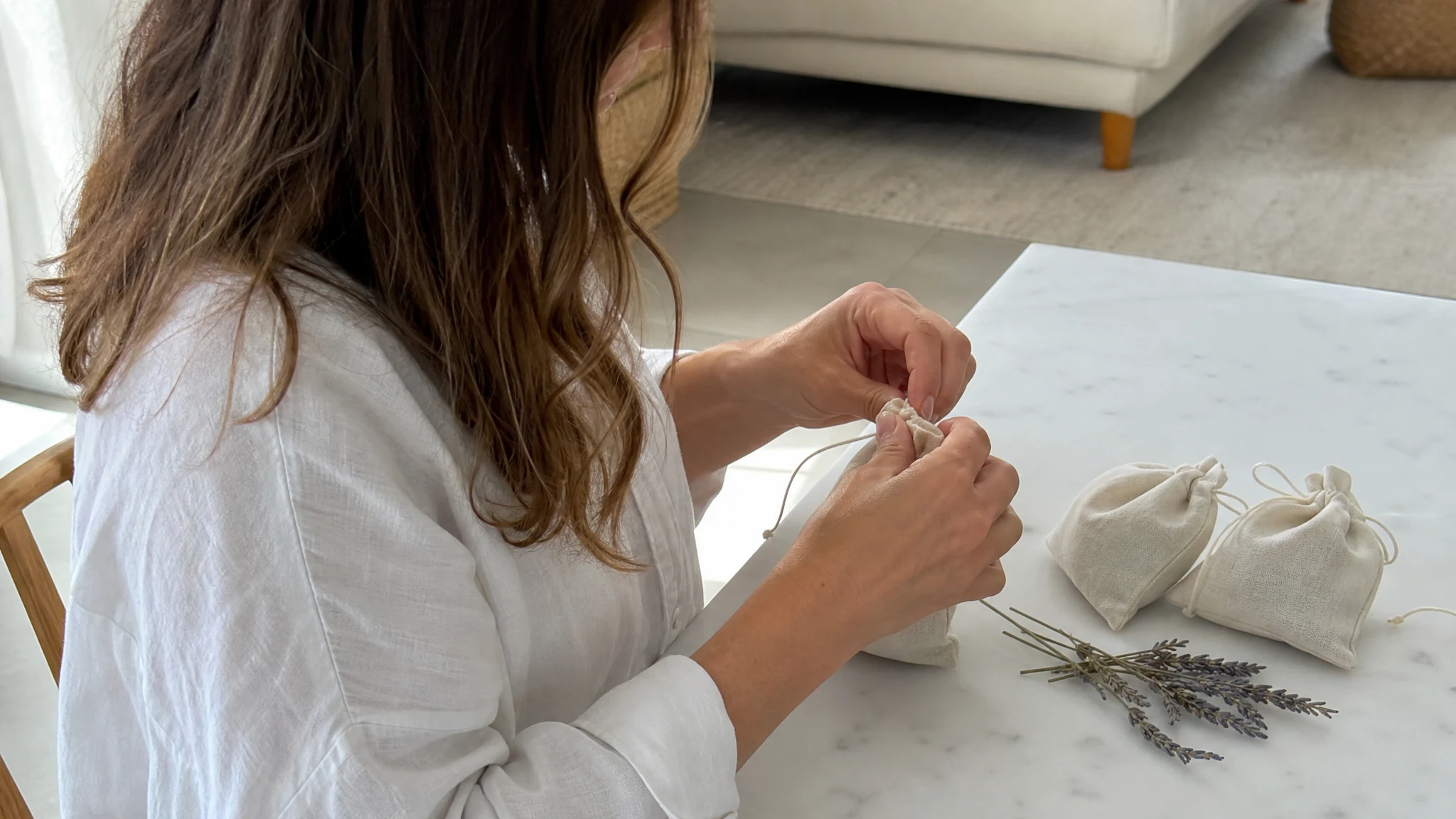
The bag matters. Cotton or muslin lets the scent drift out gently, while a tightly sealed plastic bag keeps it all in. Fill the bag loosely, tie it with a ribbon or a bit of string, and tuck it into a drawer lined with cotton. A sachet in a closet beside a coat will release scent every time you open the door.
When the fragrance fades, give the bag a squeeze first to wake up the buds before you add a drop. Date the bag with a small tag, so you know when you last refreshed it. Think of it as a small summer ritual rather than a chore.
Choosing the oil for the job
Different summer jobs suit different lavenders. For fabric and linen, where you want a gentle, floral scent that does not overwhelm, our angustifolia oil is the one we would reach for. For a stronger, fresher smell that carries across a porch or a laundry room, lavandin grosso has more lift. Spike lavender is sharper and greener and may be more than most people want near fabric. Whichever you choose, the scent will last longer in a well-closed container kept cool and dark; our storage guide covers that.
A line of lavender-scented sheets drying in the afternoon sun is hard to beat, and a spray and a sachet get you most of the way there.
Lavender Essential Oil
Lavender Essential Oil from our own shop, in sizes from 0.5 oz to bulk.
From $12.99
Shop Now →Sources & Further Reading
- Tisserand Institute, Bath Safety: how to use essential oils safely in the bath
- Tisserand Institute, Dilution for essential oils
- Halla et al., Cosmetics Preservation: A Review on Present Strategies. Molecules, 2018
- Crisan et al., Current Trends for Lavender (Lavandula angustifolia Mill.) Crops and Products with Emphasis on Essential Oil Quality. Plants, 2023
- Hagvall et al., Lavender oil lacks natural protection against autoxidation, forming strong contact allergens on air exposure. Contact Dermatitis, 2008
- Colorado State University Extension, Growing Lavender in Colorado