Bulgarian vs French Lavender: Does Origin Matter?
Few words in the lavender aisle carry as much weight as "Bulgarian" and "French." They sound like grades, as if one country simply grows a better bottle. The research tells a more interesting story: the plant itself, and the species on the label, shape an oil's character more than the country does, and neither word is a quality ranking.
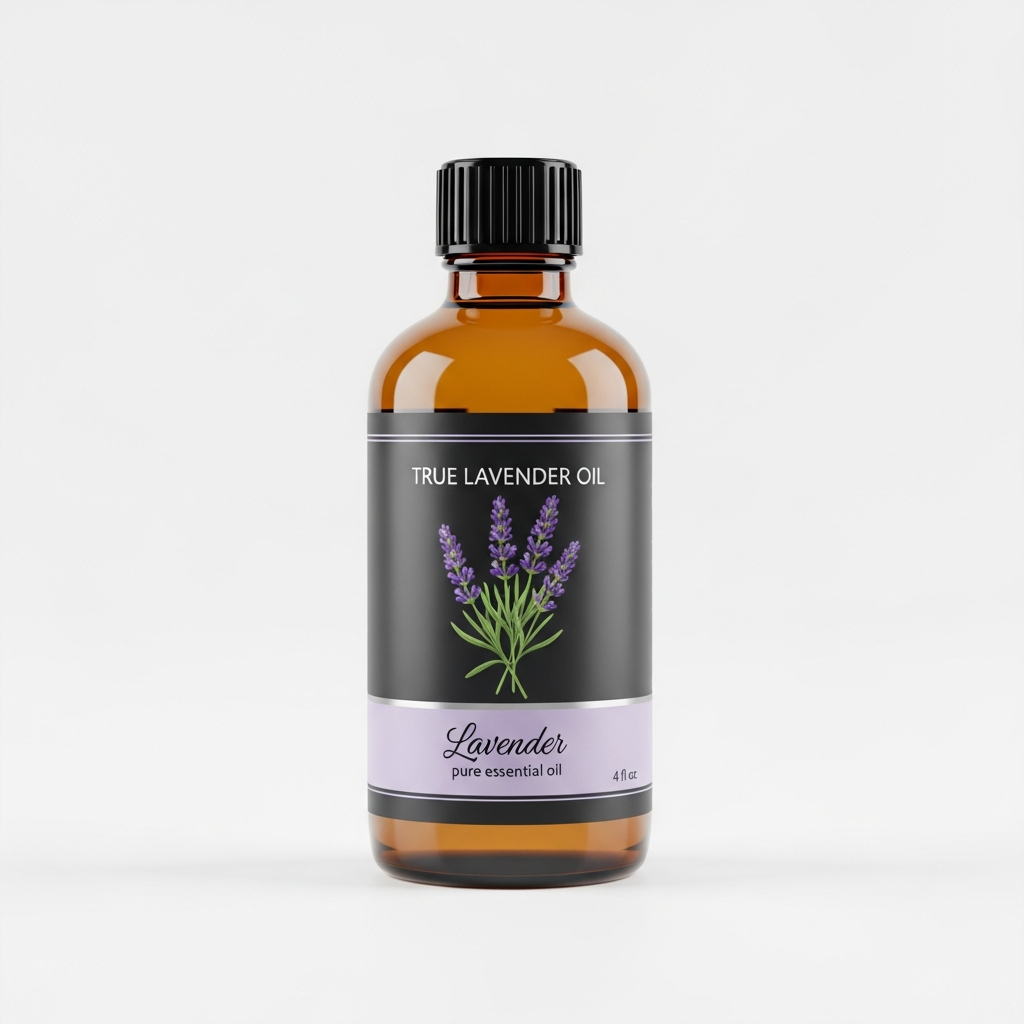
Lavender Essential Oil
Our own Lavender Essential Oil, in sizes from 0.5 oz to bulk.
From $12.99
Shop Now →"French" can mean two different plants
Start with what each country mostly produces. A 2023 review of lavandin reports that France made 1,439 metric tons of lavandin oil in 2016, against 109 metric tons of true lavender oil (Pokajewicz et al.). By those figures, about 93% of that year's French lavender-family oil was lavandin (1,439 divided by 1,548). So a bottle marked "French lavender oil" with no Latin name could be either plant, and lavandin is the one with the camphor edge: the same review finds its composition similar to true lavender but with more terpenes that give camphor notes, with camphor ranging from 2% to 33% and most often 5% to 10%. Only the botanical name settles it. Our glossary lists the names to look for.
The picture for true lavender is that supply is small and competitive. A 2023 review estimates world production of true lavender oil at 300 to 500 tons a year, and says it sells for about three to five times the price of lavandin (Crisan et al.). That price gap is exactly why a clear species name on a label matters.
Plant genetics come before geography
If country drove composition, soil and climate would matter most. One study tested that idea by growing true lavender collected from 14 wild sites across its native range in a single common garden, to limit environmental differences. It still found four distinct chemotypes among three genetically separate populations, and the chemistry lined up with the genetics (Despinasse et al.). Even within France, the plants split into two chemotypes: a dominant one from south-eastern France with linalyl acetate, linalool and caryophyllene oxide as main compounds, and a second from the south of the Massif Central that was rich in linalyl and lavandulyl acetates.
The study grew wild-origin plants, so it does not rank commercial Bulgarian against French oil. What it shows is that two oils both honestly labelled "French" can differ because of the plant they came from, not where they were grown.
What this means for scent
No study we know of lines up Bulgarian and French oils in a blind smell test, so any claim that one smells sweeter is inference. Reasoning from the genetics, two good oils of the same species are more likely to differ by variety, harvest and batch than by country. And a species switch makes a far bigger difference. The angustifolia oil in our shop is soft, floral and gently herbaceous with a clean, sweet finish, while our spike lavender is sharp and camphoraceous, and our lavandin grosso has a camphor-tinged lift. That is the contrast you will really notice, and our scent profile describes it in more detail.
A simple smell comparison at home
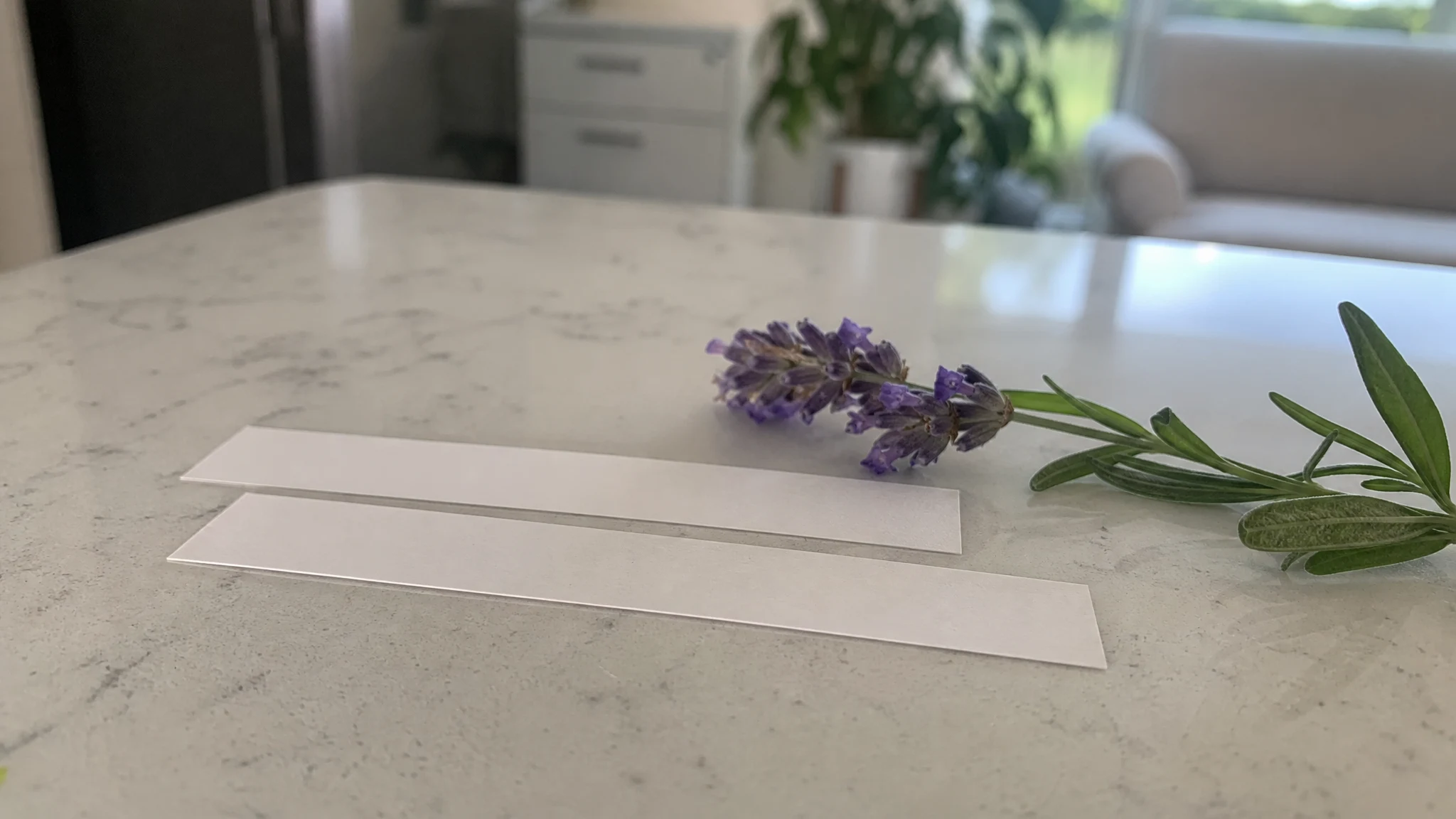
If you have two lavender oils side by side, try this. Put a drop of each on separate strips of plain paper (a cut-up coffee filter works well) and label them in pencil. Smell them a few minutes apart rather than back to back, with a breath of fresh air in between, because your nose tires quickly. Note your first impression, then come back after ten minutes when the brightest notes have settled. You will probably notice differences of species, soft and sweet against sharp and camphor-like, long before you notice anything you could pin on a country.
It also helps to keep a little humility here. Smell is personal, and two people can describe the same bottle differently: one hears sweet, another hears grassy. Trust your own nose over a label's adjectives, and write down what you liked so you can look for it again.
Reading a label
Treat origin as a claim to be backed up, not as a grade. When a seller names a country, ask for:
- the species, as a Latin name;
- the cultivar and harvest year, if known;
- a GC-MS report for the batch you are buying.
Keep the answers somewhere you can find them. Photograph the label, save the seller's reply and note the date you bought the bottle. When you open a second bottle later, you will have something concrete to compare, instead of trying to remember how the first one smelled.
Our GC-MS reading guide shows how to read the report once you have it. A price premium for an origin without any of that is paying for a word. For oils sold on scarcity rather than country, our rarer origins post takes a look.
We sell four lavender-family oils: the angustifolia oil, lavandin grosso, spike lavender and a trade-grade 40/42, whose species its page does not state. If origin or species matters for your formula or a product listing, ask us in writing through our contact page before ordering and rely on the written answer. Origin also does not change the skin picture: lavender oil oxidises in air wherever it grew, as we discuss in our patch test post.
So the next time a label says Bulgarian or French, read the Latin name first. It tells you far more.
Whichever you choose, a label that gives the Latin name and a seller who is happy to answer a written question are both good signs.
Lavender Essential Oil
Lavender Essential Oil from our own shop, in sizes from 0.5 oz to bulk.
From $12.99
Shop Now →Sources & Further Reading
- Pokajewicz K et al. Lavandula x intermedia-A Bastard Lavender or a Plant of Many Values? Part I. Biology and Chemical Composition of Lavandin. Europe PMC 37049706
- Crisan I et al. Current Trends for Lavender (Lavandula angustifolia Mill.) Crops and Products with Emphasis on Essential Oil Quality. Europe PMC 36679071
- Despinasse et al. Structure of the Chemical and Genetic Diversity of the True Lavender over Its Natural Range. Europe PMC 33255497