Lavender vs Lavandin: Why Camphor Tells Them Apart
If you have ever opened two bottles marked lavender and wondered why one smells softly floral and the other has a fresh, almost minty edge, camphor is probably the answer. True lavender and lavandin are different plants with different oils, and neither is a fake of the other. The trouble only starts when a label says "lavender" and leaves out which plant.
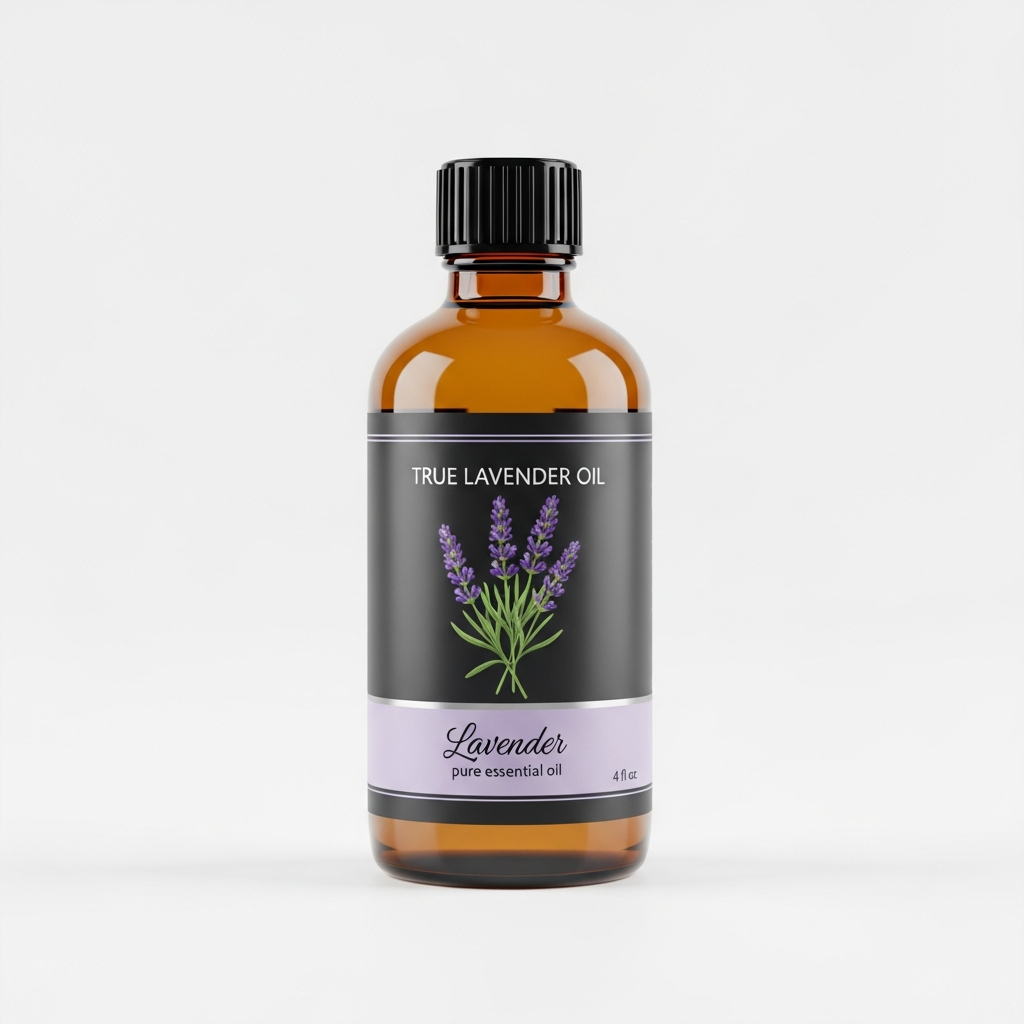
Lavender Essential Oil
Our own Lavender Essential Oil, in sizes from 0.5 oz to bulk.
From $12.99
Shop Now →A hybrid with its own personality
Lavandin is a sterile hybrid of true lavender (Lavandula angustifolia) and spike lavender (Lavandula latifolia). Botanical papers write it as L. × intermedia; our lavandin grosso page uses Lavandula hybrida, so you may see either on a spec sheet. A 2023 review describes L. angustifolia as the species used preponderantly in perfumery and cosmetics, while other species with harsher, camphor-richer profiles tend to go to other uses.
Lavandin is not one single oil, either. The cultivar 'Grosso' is just one of several, and the same review says lavandin yields on average about 120 kg of oil per hectare against 40 kg for true lavender. That generous yield is why lavandin is the practical workhorse of the lavender world.
The number that tells them apart
Linalool and linalyl acetate, the two big aroma components, overlap heavily between the plants, so they cannot settle the question alone. Camphor can. The standards for true lavender oil cap camphor at traces up to 1.5%, depending on origin. The lavandin review collected values for 'Grosso' from several studies and found camphor between 6.0% and 12.2%. Its wider lavandin range runs from 2% to 33%, most often 5% to 10%, so 'Grosso' sits in the middle, not at an extreme. The review attributes lavandin's sharper smell to higher camphor, borneol and 1,8-cineole, and notes that camphor notes are less valued in perfumery.
For a sense of the family, the same review tabulates a European Pharmacopoeia range for spike lavender of 8% to 16% camphor and 16% to 39% 1,8-cineole. That helps explain why spike lavender smells sharp and green, and why we describe it with little sweetness.
What that means at the bench
These are our recommendations, reasoned from the composition and from how we describe each oil. Our angustifolia oil is soft, floral and gently herbaceous with a clean, sweet finish, so we would suggest it when the scent is the star: a linen spray, a soap that should read as soft floral, a body oil. Our lavandin grosso is fresh, herbaceous and floral with a camphor-tinged lift, and it yields generously, which suits larger batches, floor washes and cleaners where an airy, clean scent matters more than softness. Our cleaning post covers that use. These are scent choices only, not claims about how either oil behaves in the body.
We also sell spike lavender and a trade-grade 40/42 whose species our page does not state. If identity matters to your formula or listing, contact us before ordering through the contact page. Our four oils are different products, and one oil's paperwork should never be applied to another. The Certificate of Analysis we publish covers one batch of the angustifolia oil and lists density and refractive index; for camphor or cineole figures on any oil, ask us in writing for your lot.
A simple smell test at home
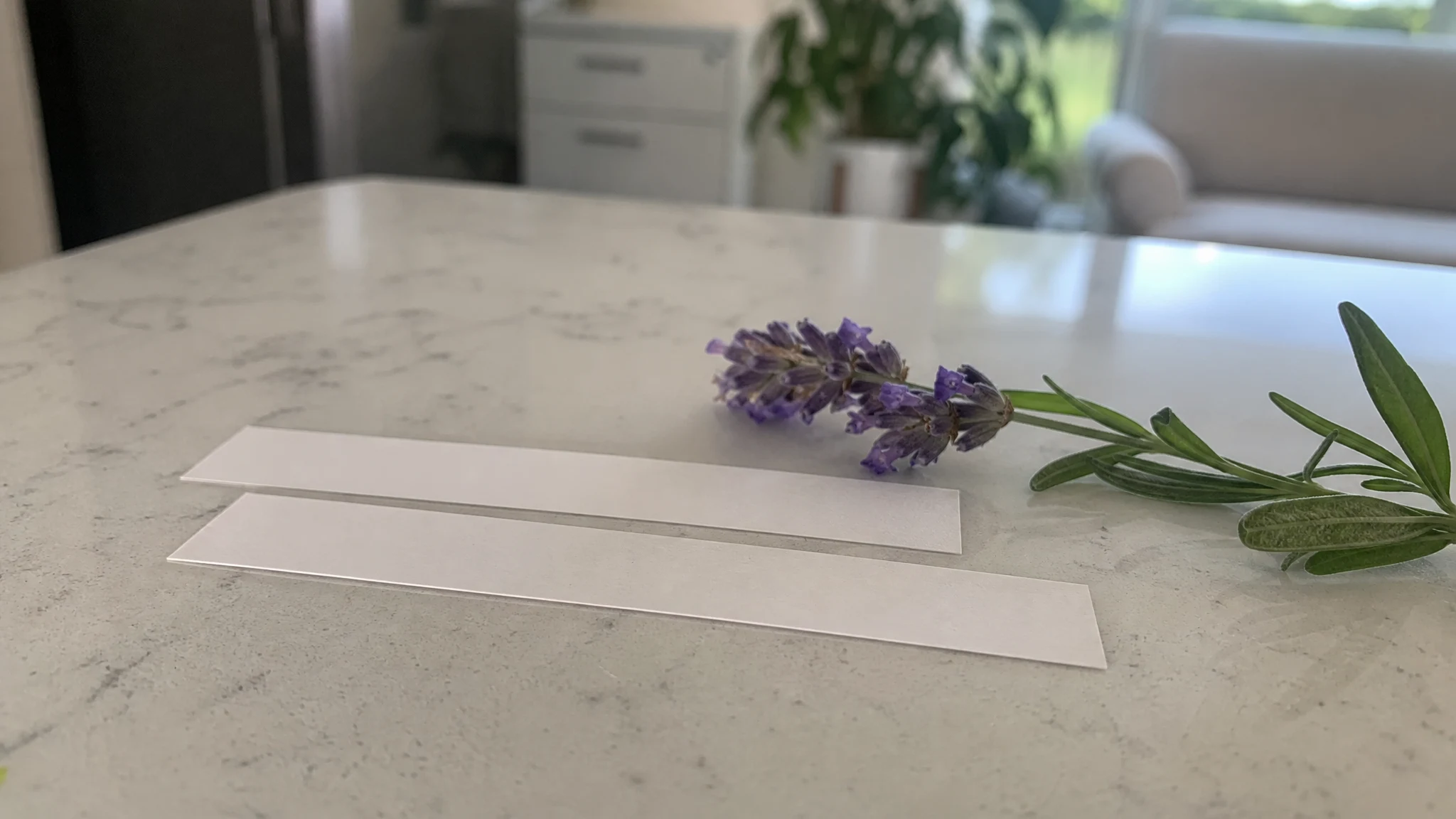
You can learn a lot from your nose. Put a drop of each oil on its own piece of plain paper and wave it gently under your nose. With our angustifolia oil, notice the soft floral sweetness and how clean the finish is. With our lavandin grosso, notice the lift at the very start: that fresh, slightly camphor-tinged edge arrives first, and the floral heart follows behind it. Smell each again after a few minutes, and you will see how differently they settle.
A nose is a good way to choose a scent, but it is not a species test. That is why the name on the label and the paperwork behind it matter, and why we tell you plainly which plant is in each bottle.
Three projects, three choices
- A linen closet sachet or a soft body oil: we would reach for the angustifolia oil for its gentle, floral character.
- A big batch of soap or a floor wash where you want the scent to carry: lavandin grosso gives you lift.
- A workshop or shed where you want a green, herbal edge: spike lavender is sharper and greener, with little sweetness.
These are scent preferences, not rules, and the best way to choose is to smell them side by side.
One more habit is worth keeping: if you decant either oil into a smaller bottle, write the plant name on it straight away. Two clear, amber-brown bottles of lavender look very much alike on a shelf, and it is surprisingly easy to lose track of which is which after a month.
"Is lavandin just adulterated lavender?"
No. Lavandin is a plant grown and distilled for its own oil. The lavandin review says it is much cheaper than true lavender oil and is often used for counterfeiting it, and both statements can be true: honest lavandin sold as lavandin is a perfectly good product, while lavandin sold as lavender is what buyers should watch for. The other review lists lavandin among the adulterants of true lavender oil. The simplest protection is to buy from a seller who names the Latin name and tells you which plant is in the bottle. Our price post explains the cost side, and our GC-MS guide shows how a report separates the two.
Pick the plant for the job, and the rest of the decision gets easy.
Lavender Essential Oil
Lavender Essential Oil from our own shop, in sizes from 0.5 oz to bulk.
From $12.99
Shop Now →Sources & Further Reading
- Crisan I et al. Current Trends for Lavender (Lavandula angustifolia Mill.) Crops and Products with Emphasis on Essential Oil Quality. Plants, 2023
- Pokajewicz K et al. Lavandula × intermedia - A Bastard Lavender or a Plant of Many Values? Part I. Biology and Chemical Composition of Lavandin. Molecules, 2023