Autumn Diffuser Blends With Lavender: 5 Ratio Ideas
Autumn is when lavender gets invited into warmer company: cedarwood for a dry, woody edge, a little orange for brightness, a touch of bergamot or clary sage to round it out. A good blend is really just a base, a partner and a ratio, so that is where we will start, with the one decision that shapes everything else: which lavender goes in the middle.
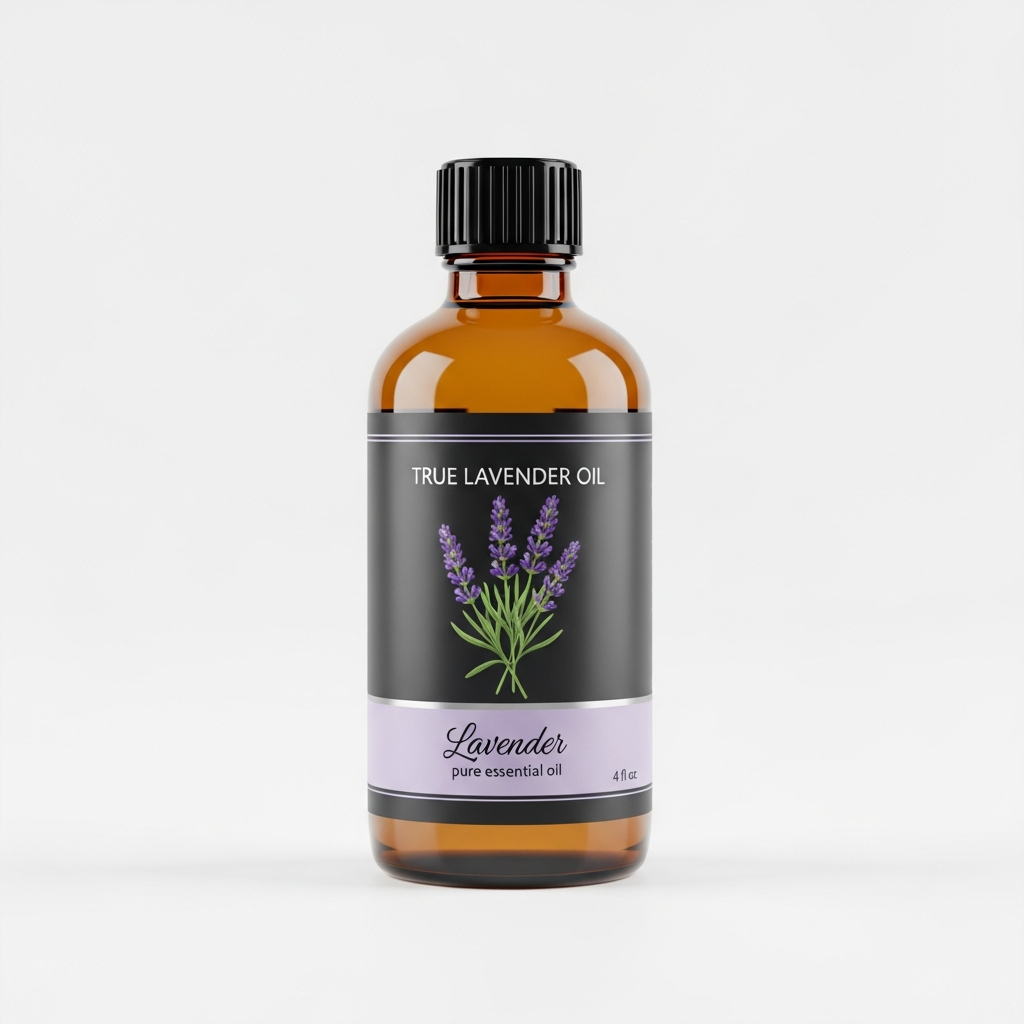
Lavender Essential Oil
Our own Lavender Essential Oil, in sizes from 0.5 oz to bulk.
From $12.99
Shop Now →What makes a blend feel like autumn
Think of the season in layers: the dry snap of fallen leaves, woodsmoke drifting in from somewhere, a bowl of oranges on the kitchen table. Lavender can anchor all of it because it is floral without being sugary. Cedarwood stands in for the wood, citrus for the fruit bowl, and lavender sits underneath holding the picture together. Once you see a blend as a few layers rather than a recipe, choosing partners gets much more fun.
Choose the lavender first
Our four lavender-family oils do not smell alike. The angustifolia oil is soft, floral and gently herbaceous with a clean, sweet finish. Lavandin grosso carries a camphor-tinged lift, and spike lavender is sharper, camphoraceous and herbaceous with little sweetness. A 2023 review of lavandin finds its oil similar to true lavender but richer in terpenes that give camphor notes. Reasoning from that, a sharper lavender competes with a delicate partner instead of sitting under it. For blends that read soft and cozy, the angustifolia oil is our suggestion, while spike or lavandin suit brisker, greener pairings. Our scent profile helps you tell them apart.
Five ratio sketches
These are written in parts, so the maths is independent of your diffuser's size. They are aroma ideas worked out from the pairings we suggest on our product pages, not tested blends.
- Lavender 3, cedarwood 1. The driest of the set, with the wood kept small so it does not take over.
- Lavender 2, a sweet citrus oil 1. Orange or mandarin keeps it light; lemon makes it crisper.
- Lavender 2, bergamot 1. Bright and floral, with the citrus on top.
- Lavender 2, clary sage 1. A close cousin of lavender, and the base of our lavender, clary sage and bergamot post.
- Lavender 3, geranium 1. Floral on floral; keep the geranium low until you know your nose.
We sell only the lavender, so the partner oils come from another supplier. Pick one that names the botanical species and can give you batch paperwork.
How many drops?
The best guide is your diffuser's manual, which says how much oil suits its water tank. Use the ratios above only to split that amount between oils. The dilution figures from the Tisserand Institute are for skin, not for air, so they do not translate. A chamber study of ultrasonic diffusers found that oils behave differently from one another, and that regular use can add noticeably to fine particles in a room, a point that depends on the oil and the water used (Schwartz-Narbonne et al., 2021). So we would run a diffuser for a limited time and ventilate the room, rather than scaling a blend up.
Pacing helps for another reason: noses adapt. A review of human studies found that habituation to odors is relatively fast. If a blend seems to fade, adding more drops will not bring it back, but stepping out of the room for a while will.
Reading your own blend
Before you commit to a full session, open each bottle on its own and sniff it, then hold two of them together near your nose. You will notice quickly whether the partner is crowding the lavender or disappearing behind it. Write the ratio on a sticky note, change one part at a time, and keep the notes. A blend you love is worth being able to repeat next month, when you have forgotten exactly what you did.
Households first
If a cat or dog lives with you, start with the animal. The ASPCA lists lavender as toxic to dogs, cats and horses on its plant page, which concerns the plant rather than diffused air, so a veterinarian is the person to ask about your own animal. Our posts on cats and dogs go through what poison centers say.
The National Capital Poison Center advises keeping oils out of the sight and reach of children and pets. The NIH's NCCIH describes lavender aromatherapy as possibly safe, with headache or coughing as possible effects, and says little is known about use in pregnancy or breastfeeding. If you are pregnant or nursing, ask your clinician before diffusing all day, and see our pregnancy post. If anyone in the room coughs or gets a headache, turn the diffuser off.
Keep the bottle fresh
Lavender oil oxidises in air, and a 2008 study found its sensitising potency rose as it did. Diffusing is not skin contact, but the same bottle often ends up in blends for the skin, so keep it tightly capped in a cool, dark cabinet. Our oils are typically stable for 2 to 3 years unopened, and our storage guide has the rest.
An autumn blend is a scent for a ventilated room with the pets and children accounted for, and nothing more is needed. If you want more on lavender and evening routines, our bedtime diffuser post looks at what the trials actually tested.
We love this time of year for exactly this reason: a small bottle, a quiet corner and a scent that does not need to be loud to feel like autumn. Start with one blend, adjust slowly, and enjoy it.
Lavender Essential Oil
Lavender Essential Oil from our own shop, in sizes from 0.5 oz to bulk.
From $12.99
Shop Now →Sources & Further Reading
- Pokajewicz K et al. Lavandula x intermedia-A Bastard Lavender or a Plant of Many Values? Part I. Biology and Chemical Composition of Lavandin. Europe PMC 37049706
- Schwartz-Narbonne H et al. Volatile organic compound and particulate matter emissions from an ultrasonic essential oil diffuser. Europe PMC 33905580
- Pellegrino et al. Habituation and adaptation to odors in humans. Europe PMC 28408237
- Hagvall L et al. Lavender oil lacks natural protection against autoxidation, forming strong contact allergens on air exposure. Europe PMC 18759894
- Tisserand Institute. Dilution for essential oils. tisserandinstitute.org
- ASPCA. Toxic and Non-toxic Plants: Lavender. aspca.org
- National Capital Poison Center. Essential oils: Poisonous when misused. poison.org
- NCCIH. Lavender. nccih.nih.gov