Lavender vs Tea Tree Oil: Freshness and Dilution Tips
Lavender oil and tea tree oil often share a shelf and a routine, which makes them look like a pair of options: the soft one and the strong one. Look at the safety literature and they turn out to have something important in common. Both are happiest fresh, and both become more sensitising when they have been sitting open to the air. That makes how you store and dilute them matter more than which one you pick.
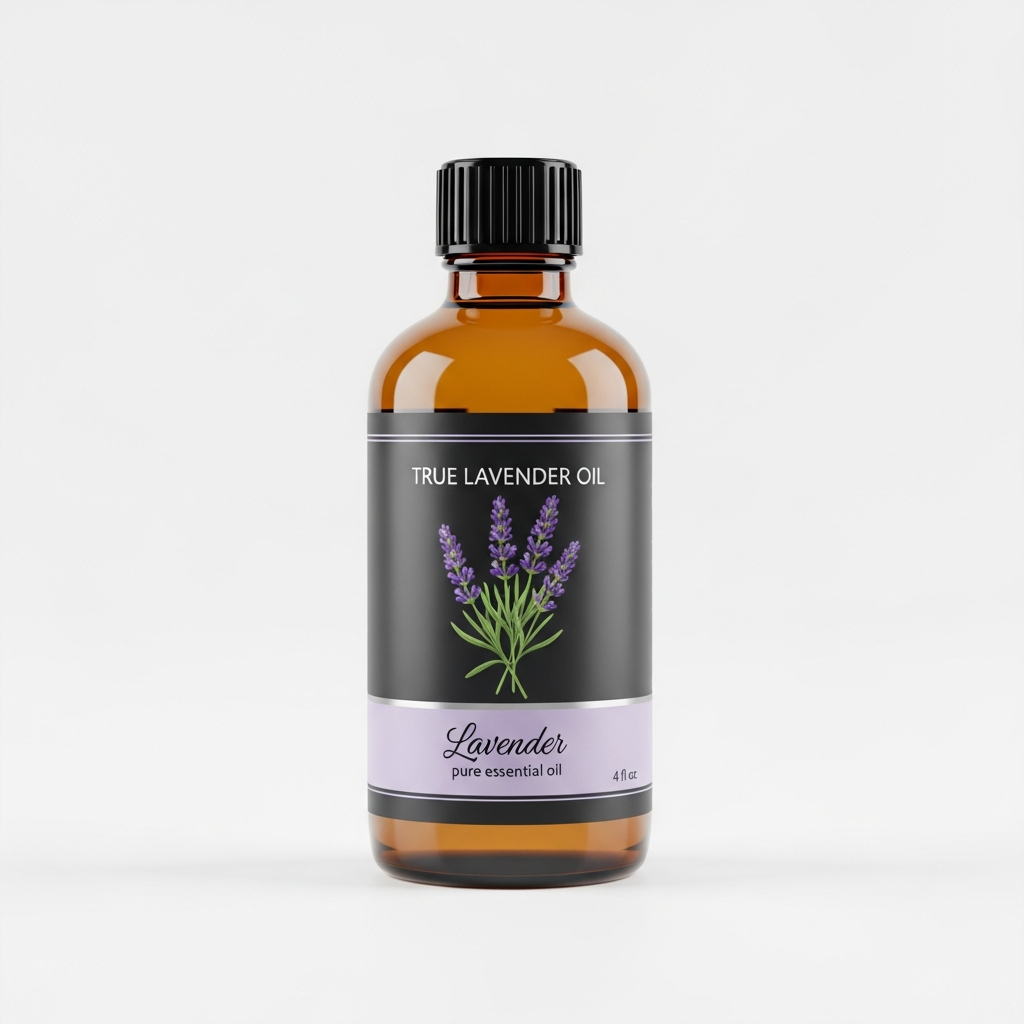
Lavender Essential Oil
Our own Lavender Essential Oil, in sizes from 0.5 oz to bulk.
From $12.99
Shop Now →Two oils, two reasons to buy
Lavender oil is bought mostly for its aroma. Our Lavandula angustifolia oil is soft, floral and gently herbaceous with a clean, sweet finish, and that is the reason people reach for it in a body oil, a linen spray or a soap. Tea tree oil comes from Melaleuca alternifolia, and we do not sell it, so we will not describe a bottle we have not got in front of us. If you are choosing between them, the useful question is what you want from the routine: a scent you love, or something else entirely. If it is the second, a dermatologist or pharmacist is the right person to ask, not a bottle of oil.
What the sensitisation papers show
A 2026 paper in Toxics compared methods of predicting skin-sensitisation potency across eight essential oils, lavender and tea tree among them. For lavender oil, it identified linalyl acetate as the exposure-limiting constituent. For tea tree oil, it notes the oil is classified in the EU as a category 1B skin sensitiser, based partly on a human patch test in which 3 of 309 subjects (1%) were induced, and adds that oxidised tea tree oil is more sensitising than fresh. The authors treat their comparisons cautiously, so we read this as a reminder that essential oils are concentrated materials, not as a ranking.
The lavender side of the oxidation story is well documented. A 2008 study found that the main components of lavender oil oxidise in air at the same rate as the pure compounds, and that air-exposed lavender oil was more sensitising in a mouse assay and provoked reactions in patients already allergic to oxidised linalool. A companion study found that high-purity linalyl acetate was only a weak sensitiser, while a sample oxidised for ten weeks was much stronger. Put the two oils together and the message is the same: fresh oil, tight caps, cool and dark storage, and no half-empty bottles left on a sunny windowsill. We cover this in our storage guide.
A tidy shelf for either oil
If both oils live in your bathroom cabinet, give them the same habits. Label each bottle with the date you opened it. Keep the caps on firmly, and snap them shut as soon as you have poured. Stand the bottles upright, away from the sink and the radiator, and keep the cabinet door closed. A steamy bathroom is a bad place for an essential oil, and a cool bedroom drawer is a better one.
If you only use a few drops at a time, a small bottle that is nearly full will always hold less air than a large bottle that is nearly empty. We suggest the size you will finish, and a smaller bottle for daily use if you have a big one.
Change one thing at a time
A routine is easier to understand when you add one new thing at a time. If you introduce a new oil, a new carrier and a new product in the same week, you will have no idea which one your skin dislikes if something goes wrong. We would add one, patch test it, and give it a few weeks before adding another.
Dilution is the real equaliser
Whichever oil you use on skin, it goes in a carrier first. Our dilution guidance for lavender is 0.5% to 2% with a patch test first, and we would start at the lower end, since lavender is a recognised fragrance allergen; our dilution post has the arithmetic and our patch test guide shows the method. If you are pregnant, nursing or managing a medical condition, speak with a physician first. Published limits depend on the species, so check current IFRA standards for your own formulation.
It also helps to keep your tools clean. Use a dry spoon or a clean dropper each time, wipe the neck of the bottle after pouring, and avoid dipping anything that has touched skin or water into the oil. Small habits like these keep a bottle in good shape for longer.
Checking what you bought
Both oils have a documented adulteration puzzle, and the checks differ. A 2021 study built reference profiles from genuine lavender and tea tree oils, tested lavender spiked with synthetic linalool and linalyl acetate, and mixed Australian tea tree oil with 50% Chinese tea tree oil. The study used enantiomeric and other analyses to catch the different cases, so no single check covers everything. That is a good reason to buy from a seller who names the species and will tell you what documentation exists. We sell four lavender-family oils: Lavandula angustifolia, lavandin grosso, spike lavender and a trade-grade 40/42 whose species our page does not state. The Certificate of Analysis we publish covers one batch of the angustifolia oil and gives density and refractive index; for GC-MS or other documents for your lot, ask us in writing through the contact page. Our skin guide puts these steps into a routine.
A good routine is mostly good habits: fresh oil, careful dilution and a scent you look forward to.
Lavender Essential Oil
Lavender Essential Oil from our own shop, in sizes from 0.5 oz to bulk.
From $12.99
Shop Now →Sources & Further Reading
- Dawson et al. Comparative Analysis of Test Methods for Predicting Dermal Sensitization Potency in Essential Oils: A Component-Based Prediction Model, GARDskin Dose-Response Assay, and Local Lymph Node Assay. Toxics, 2026
- Hagvall L et al. Lavender oil lacks natural protection against autoxidation, forming strong contact allergens on air exposure. Contact Dermatitis, 2008
- Sköld M et al. Autoxidation of linalyl acetate, the main component of lavender oil, creates potent contact allergens. Contact Dermatitis, 2008
- Capetti F et al. Adulteration of Essential Oils: A Multitask Issue for Quality Control. Three Case Studies: Lavandula angustifolia Mill., Citrus limon (L.) Osbeck and Melaleuca alternifolia (Maiden & Betche) Cheel. Molecules, 2021