Lavender vs Peppermint Oil: Comparing Scent and Use
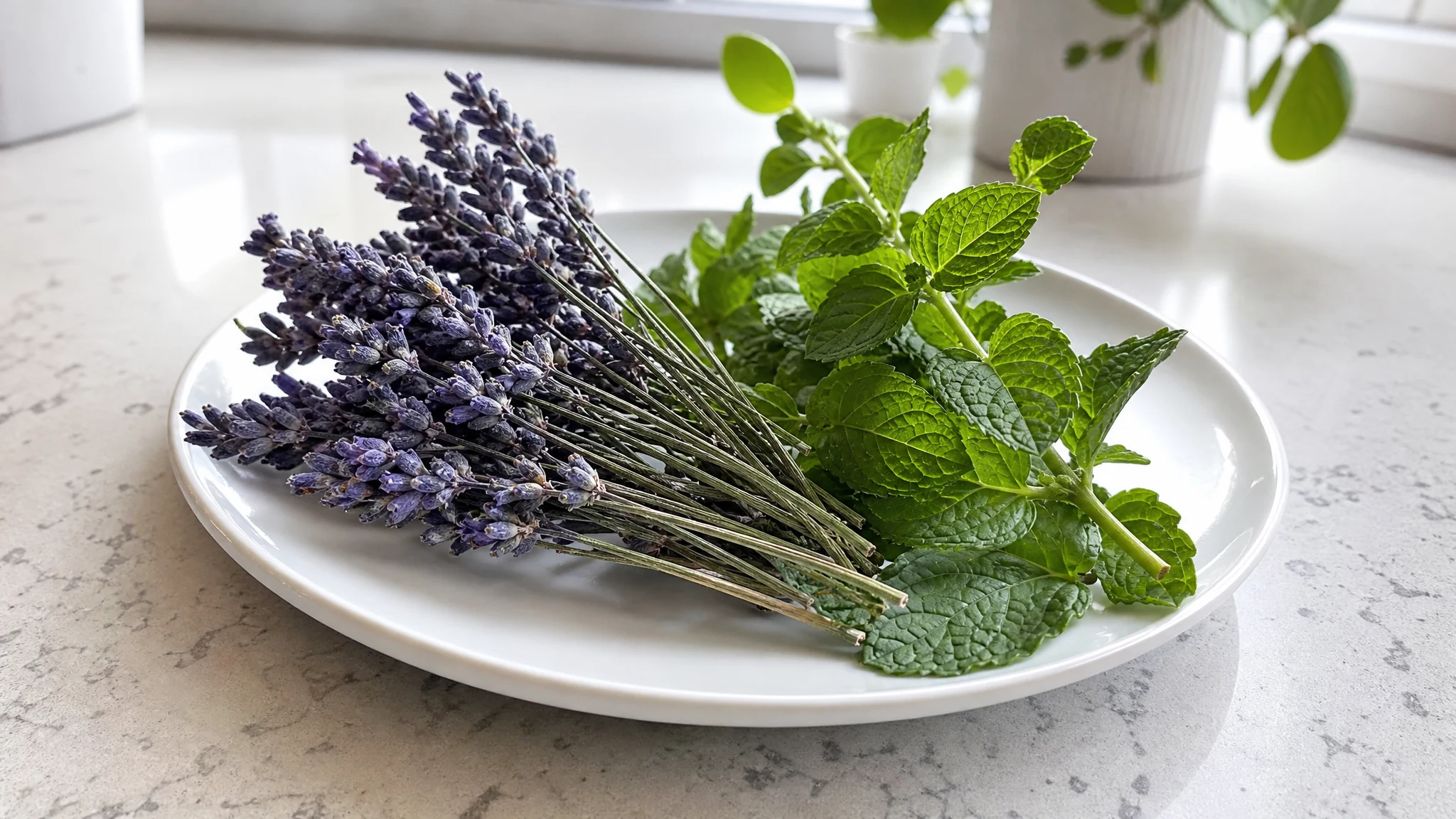
Lavender and peppermint are two of the most popular oils on any shelf, and they could hardly be more different to smell. Lavender is soft, floral and herbal. Peppermint is cool, bright and minty. They get compared, usually under the heading of headaches, as if one were the answer to the other, and that is the comparison we would gently set aside. We sell lavender-family oils only, and we do not sell peppermint, so this is a fair look at what each is, not a contest.
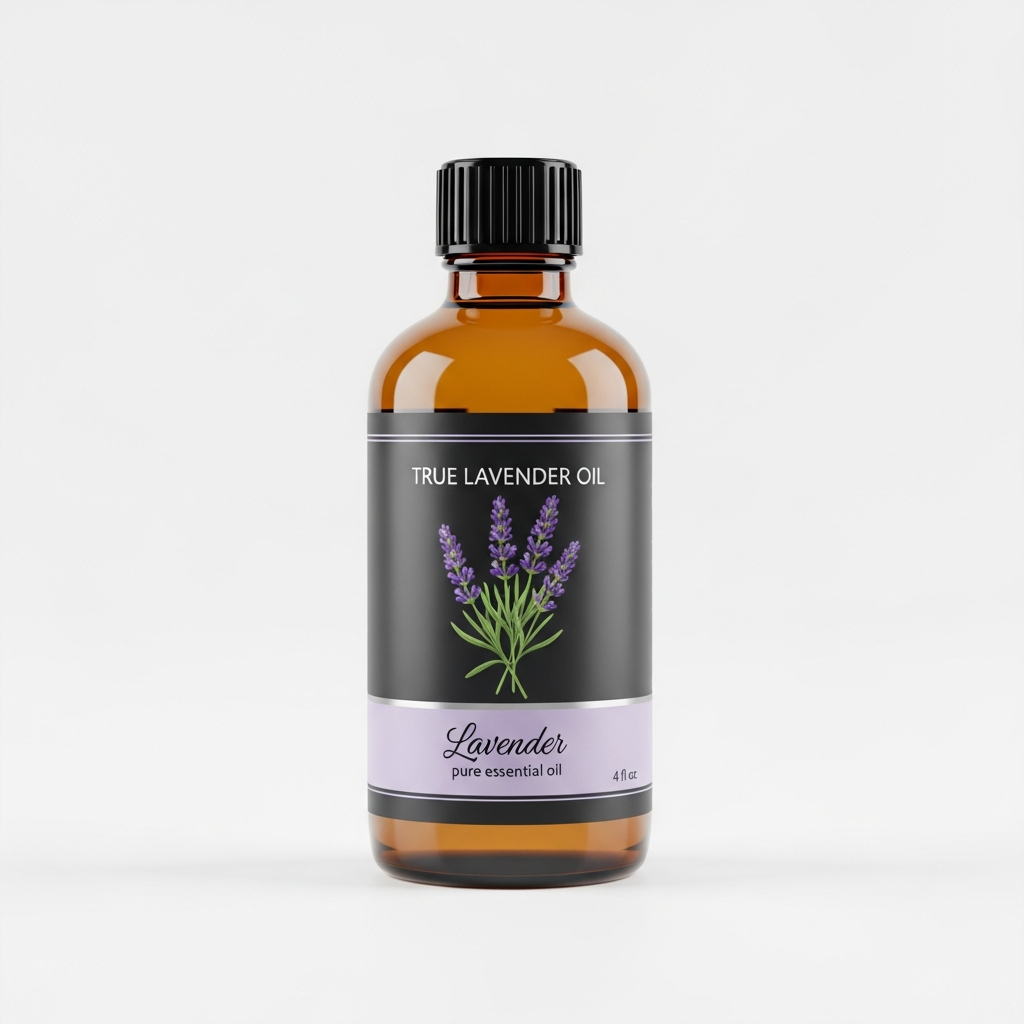
Lavender Essential Oil
Our own Lavender Essential Oil, in sizes from 0.5 oz to bulk.
From $12.99
Shop Now →Two scents, two personalities
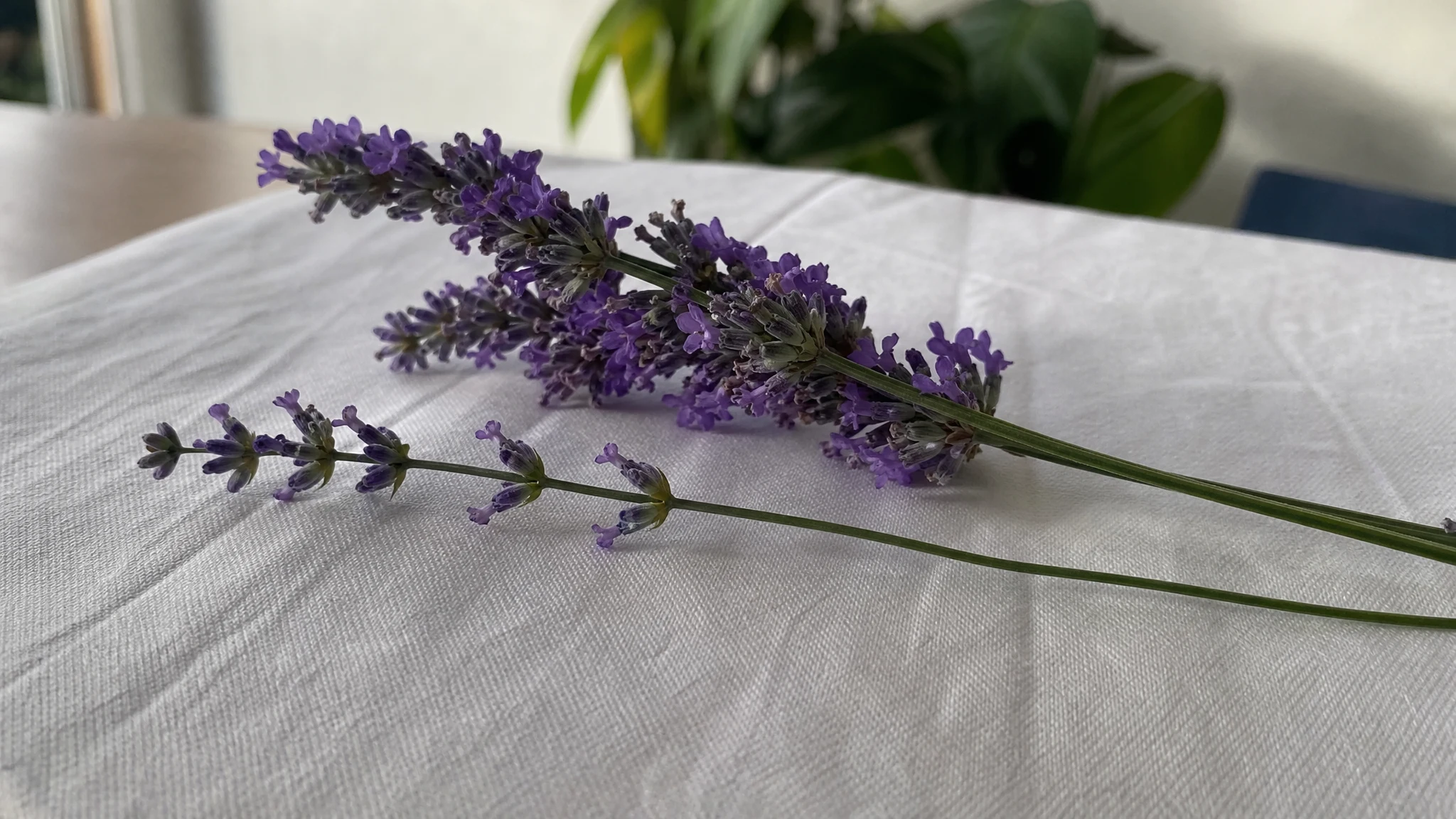
Our lavender oils range from the gentle to the bold. Our angustifolia oil is soft, floral and gently herbaceous with a clean, sweet finish. Lavandin grosso has a fresher, camphor-tinged lift, and spike lavender is sharper and greener. If you want a lavender that stays in the background, true lavender is the place to start; if you like a livelier note, lavandin's camphor-tinged lift and spike lavender's sharp, green edge are the ones to try.
Peppermint oil, according to the National Center for Complementary and Integrative Health, is the essential oil taken from the flowering parts and leaves of the peppermint plant, and menthol is one of the things in it. That cooling quality is the reason peppermint reads as invigorating and lavender reads as mellow. If you are choosing a scent for a room, the question is simply which mood you like: lavender for a softer, floral background, peppermint for something crisp.
It is worth noticing how differently the two smell in the first few seconds. Lavender, in our oils, opens soft and floral and then settles into a herbal sweetness. Peppermint opens with a cool, bright blast that is gone almost as quickly as it came. If you own both, open each in turn and give your nose a rest between them, so the second one does not smell like the first.
Why headache studies are not a scoreboard
The comparison often comes from two research papers that are quoted side by side. One is a 1996 trial of a peppermint oil preparation, 10 g of oil made up to 100 with ethanol, which was spread on the forehead and temples of 41 adults with tension-type headache (Gobel et al.). The other is a 2012 trial in which 47 people with migraine inhaled lavender essential oil for 15 minutes, compared with liquid paraffin (Sasannejad et al.). Each paper reports its own findings, and we are not repeating the numbers here, because the two do not answer the same question.
They tested different headache types, with different materials, applied in different ways, and measured over different time spans. A peppermint solution at about 10 percent in ethanol, applied to skin, is a pharmaceutical-style preparation, nothing like a few drops of oil in a diffuser, and at that strength it is many times higher than the 0.5% to 2% we suggest for lavender oil in a carrier. A paper on migraine tells you nothing about tension headaches, and the reverse is also true. Neither is a promise about the bottle on your shelf, and we make no headache claims for any of our oils.
The wider picture is modest. NCCIH says a limited amount of evidence suggests peppermint oil applied to the skin might relieve tension headaches, and for lavender aromatherapy it says it is unclear whether it helps anxiety, stress or sleep, and that it may itself cause headache or coughing. In plain terms: both are pleasant aromas, and neither is a replacement for finding out why you keep getting headaches.
Do they go together?
Scent-wise, sometimes. We list peppermint among the oils that blend well with our spike lavender, which makes sense if you picture the sharp, green edge of one next to the cool brightness of the other. We do not sell peppermint, so you would find it at a craft shop or pharmacy. If you try a blend of your own, start by smelling the two oils together from separate bottles before you mix anything, and keep a note of how many drops of each you used.
Using either one sensibly
If you simply want a pleasant aroma, there is no need to choose. Lavender and peppermint can both be enjoyed in small amounts, and the same ground rules apply to each. Keep them away from eyes, keep them diluted for skin, patch test first, and keep bottles out of reach of children and pets. Peppermint has one extra rule worth knowing: NCCIH says it should not be applied to the face of infants or young children, because inhaling the menthol can cause serious side effects.
For lavender, our guidance is to dilute to 0.5% to 2% in a carrier and to start at the low end. Published limits differ by species, which is relevant because we sell four. Our dilution guide shows the arithmetic, and the headache page gives the longer background on the research.
Headaches themselves are a medical matter. The NHS advises seeing a GP if a headache is not getting better or you get them regularly, and urgent help for headaches that come with vision problems or vomiting, or that a child has and are getting worse. We sell an external cosmetic oil, not a headache treatment, so those are the people to ask.
If what you are after is a scent, the nicest way to compare is the old-fashioned one: open both bottles and see which one you want to live with this week. You can also read how lavender's own aroma varies in our scent profile.
Lavender Essential Oil
Lavender Essential Oil from our own shop, in sizes from 0.5 oz to bulk.
From $12.99
Shop Now →Sources & Further Reading
- NCCIH, Peppermint Oil: Usefulness and Safety
- NCCIH, Lavender: Usefulness and Safety
- Gobel et al., Effectiveness of Oleum menthae piperitae and paracetamol in therapy of headache of the tension type. Nervenarzt, 1996
- Sasannejad et al., Lavender essential oil in the treatment of migraine headache: a placebo-controlled clinical trial. Eur Neurol, 2012
- NHS, Headaches