Lavender Bath Salts: How to Make Them Mix With Water
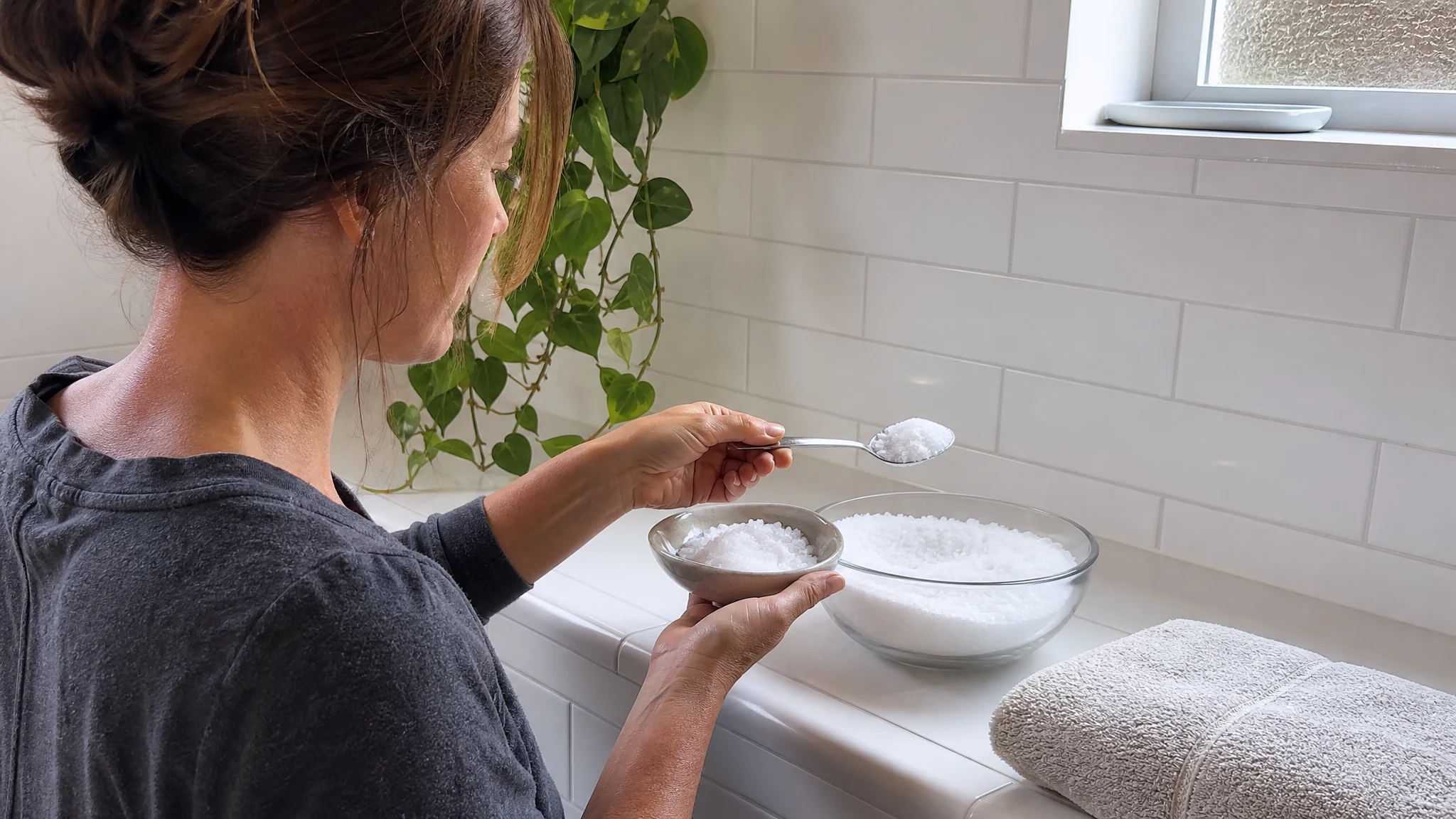
The most common lavender bath salt recipe goes like this: stir some drops of oil into Epsom salt, tip it into the tub, relax. It looks lovely in a jar. Physics is the reason, and one small ingredient fixes it: salt dissolves, oil does not, and the oil ends up floating on the surface where your skin meets it at the waterline.
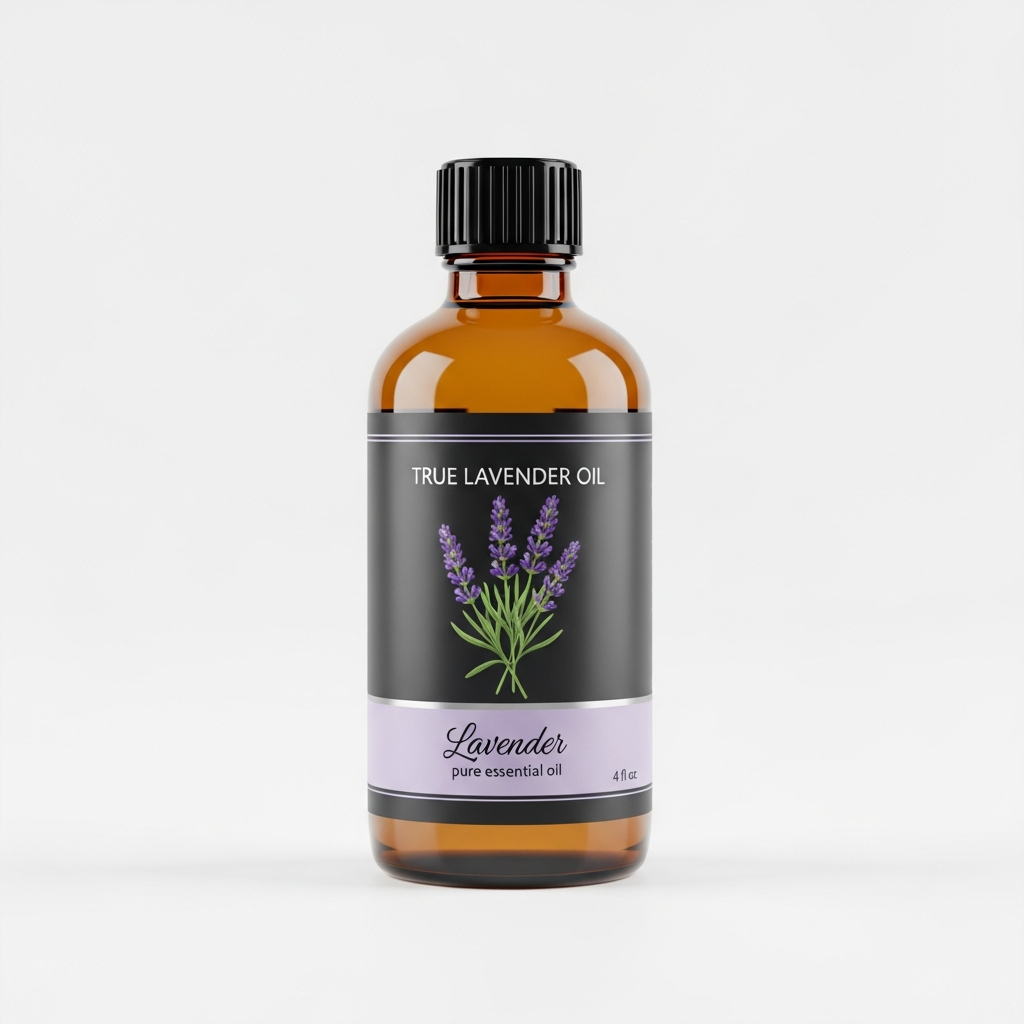
Lavender Essential Oil
Our own Lavender Essential Oil, in sizes from 0.5 oz to bulk.
From $12.99
Shop Now →Why salt alone is not the answer
The Tisserand Institute is direct about this. Salt, it says, "is fully soluble in water and will dissolve once added to your bath," and "Salt is not a carrier for essential oils." Baking soda dissolves fully and has no physical way to hold or disperse oil, and milk is not a suitable dispersant either (Tisserand Institute). So the useful question for a bath salt is not how many drops go in, but what holds the oil evenly in the water.
That is good news, because the fix is easy and makes a nicer product. A dispersant carries the oil through the bathwater so the aroma fills the room rather than sitting in a film on the surface.
Choosing your dispersant
Tisserand's page lists several options that work, and these are the three we would build around:
- Polysorbate 20. Mix 5-20 drops of essential oil with an equal amount of polysorbate 20, then add to the bath.
- Natrasorb Bath (tapioca starch). Mix 5-20 drops into half a cup of it, then add to the bath.
- An unscented bath base. Use 5-20 drops per half ounce (one tablespoon) of the base.
We sell lavender oil, not these ingredients; a soap-making or cosmetic-ingredient supplier carries them, and a craft shop or grocery will have the Epsom and sea salt. The 5-20 drop ranges above are Tisserand's. Inside them, a bath at the lower or middle part of the range is plenty for an aroma you will be sitting in for twenty minutes.
Three ways to put it together
These are formulations worked out from that guidance, with drops converted to weight using arithmetic (about 20 drops to a milliliter, which varies by dropper). They are all dry, with no water added, so keep the jar sealed and scoop with a dry spoon.
| Version | Base | Lavender oil (our suggestion, per bath) | Dispersant |
|---|---|---|---|
| Classic salts | 200 g Epsom salt, 100 g sea salt | 10 drops | An equal amount of polysorbate 20; blend the two first, then stir into the salts |
| Soft starch soak | Optional Epsom salt | 10 drops | Half a cup of Natrasorb Bath; mix the oil in, then add to the tub |
| Foaming bath | No salts | 10 drops | Half an ounce of unscented foaming bath base |
The 10 drops in the table is our suggested figure, a middle-of-the-range choice inside Tisserand's 5-20 drops, and it is per bath. To make a jar for several baths, scale the salts and the oil together, keep the oil and polysorbate equal, and weigh the oil if you have a scale that reads to a tenth of a gram.
The salts themselves are worth enjoying for what they are: texture, a pleasing crunch, the ritual of the thing. They are about the pleasure of a bath, so we keep the focus on aroma.
Getting the feel right
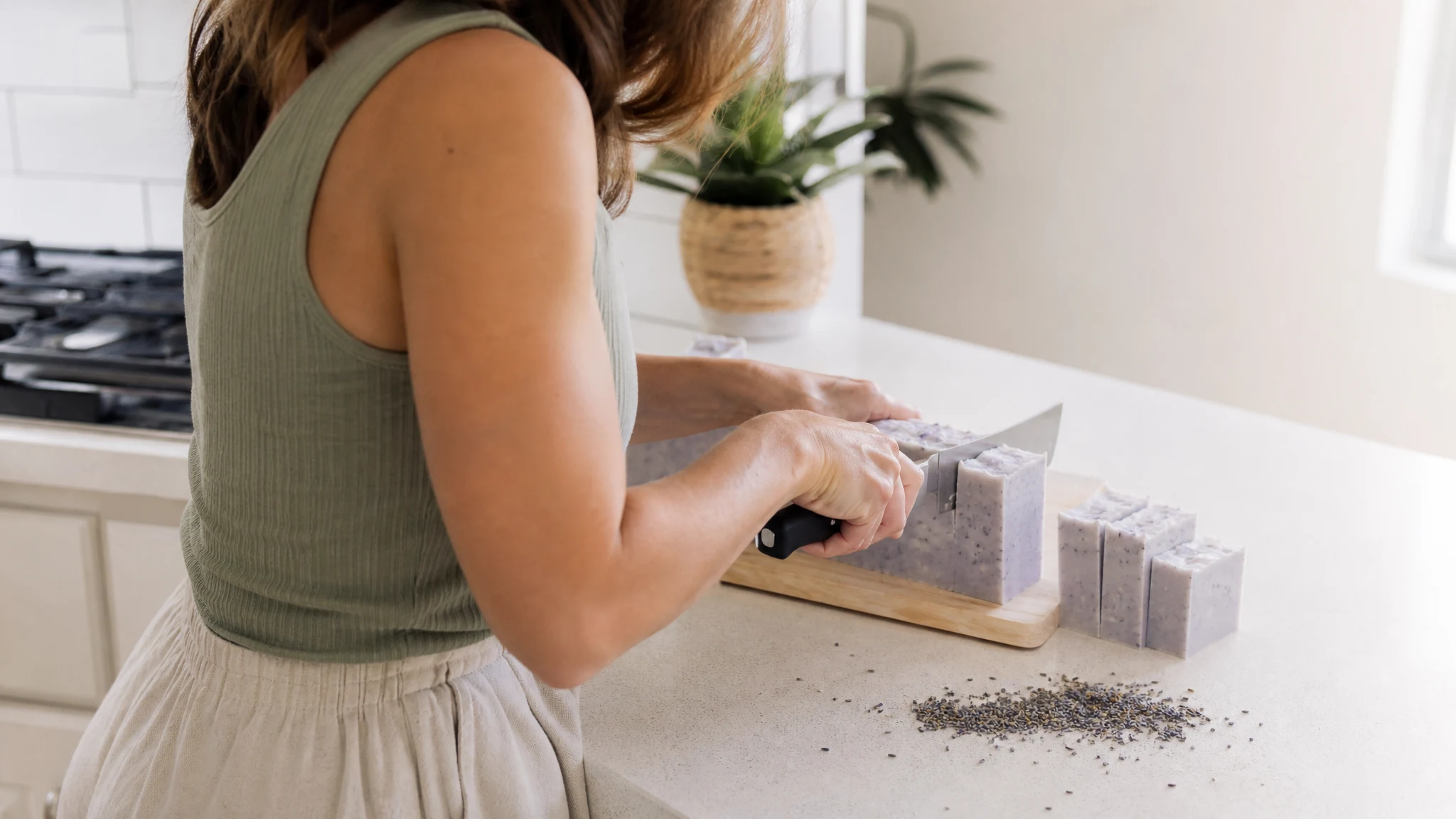
Texture is half the fun. Coarse sea salt gives a satisfying crunch and looks lovely in a jar, while fine Epsom salt scoops easily and dissolves fast. A mix of the two is common. If you like the look of dried lavender buds in the jar, add a few for decoration, but remember that loose buds can clog a drain, so many people leave them out or tie them into a small cloth bag.
Which of our oils to reach for
We sell four lavender-family oils, and for a bath the choice is mostly about scent. Our true lavender (Lavandula angustifolia) is soft, floral and sweet. Lavandin grosso has a fresher, camphor-tinged lift. Spike lavender is sharper and herbaceous, and the 40/42 grade is smooth and floral-herbaceous, though its species is not stated on its page. See our varieties guide to pick the one you will want to smell for twenty minutes.
Jar, label and gifting
Use a clean, dry glass jar with a tight lid and a dry spoon every time. Write the contents and the date on the label, and note which dispersant you used so the next person knows exactly what is in it. A small wooden scoop tied to the jar with string makes a thoughtful gift, and a scoop that lives with the jar keeps damp fingers out of the salts.
A few sensible precautions
Lavender can cause allergic skin reactions in some people (NCCIH), and air-exposed lavender oil becomes a stronger sensitizer as it oxidizes (Hagvall et al., 2008), so keep the bottle capped and use a fresh jar of salts rather than one that has sat open. Bathing is also skin contact for a long stretch, so if you have a history of fragrance reactions, ask a dermatologist first. Pregnant or nursing, or living with a medical condition: your physician should weigh in. Keep oils away from children and pets. Our allergy and patch test guide goes through the details.
Get the dispersant right and a lavender bath salt becomes a small, dependable pleasure: a jar you can gift or keep by the tub, with scent that actually travels through the water.
Lavender Essential Oil
Lavender Essential Oil from our own shop, in sizes from 0.5 oz to bulk.
From $12.99
Shop Now →Sources & Further Reading
- Tisserand Institute. Bath Safety: how to use essential oils safely in the bath. tisserandinstitute.org
- NCCIH. Lavender: Usefulness and Safety. nccih.nih.gov
- Hagvall et al., 2008. Lavender oil lacks natural protection against autoxidation, forming strong contact allergens on air exposure. Contact Dermatitis. pubmed.ncbi.nlm.nih.gov/18759894