Whipped Lavender Body Butter: A 1% Recipe You Can Scale
A good whipped body butter looks like a cloud in a jar and melts into skin the moment you touch it. Most recipes spend all their words on the whipping and almost none on the line that matters most: how much lavender oil goes in. Here is the formulation we would start from, with the arithmetic shown so you can scale it to any jar.
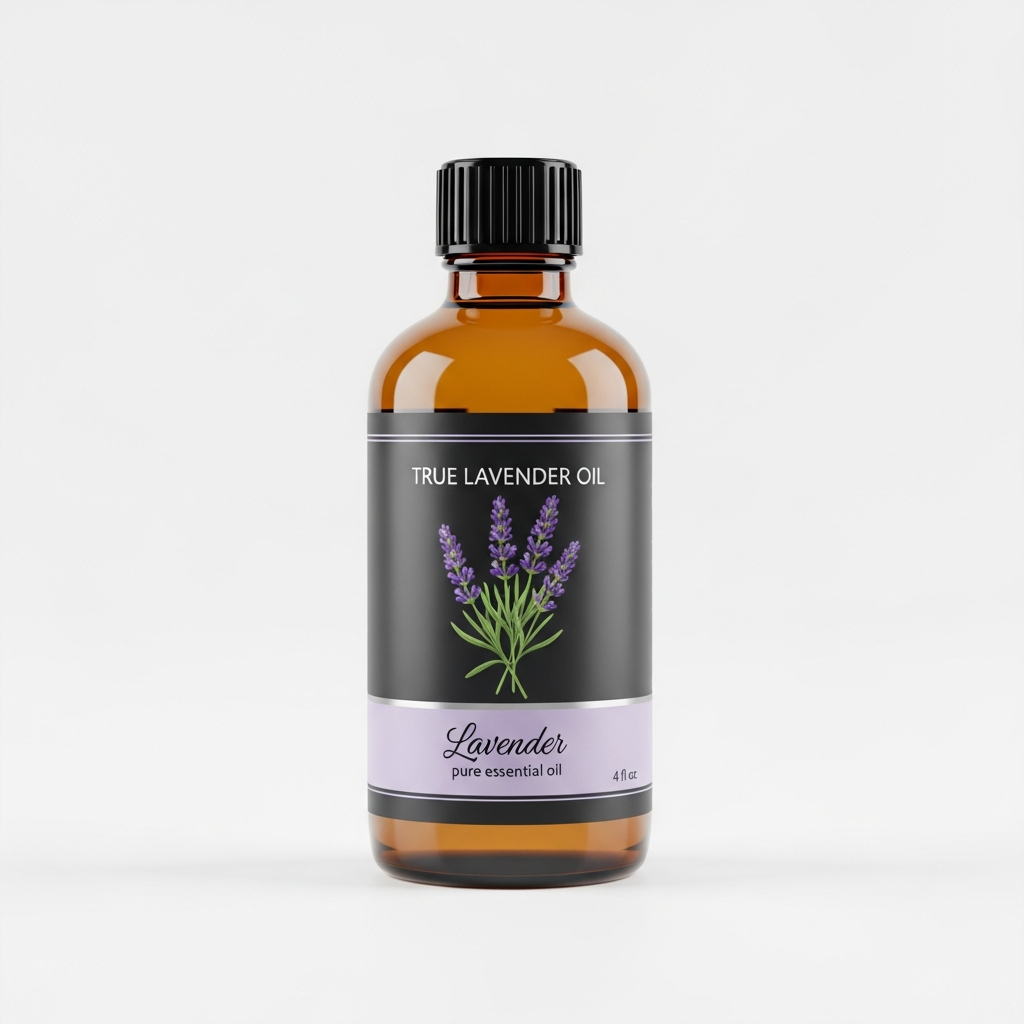
Lavender Essential Oil
Our own Lavender Essential Oil, in sizes from 0.5 oz to bulk.
From $12.99
Shop Now →A butter with no water
The simplest whipped butter is only fats and oils. A jar of 100 g can be 60 g of a solid butter such as shea, mango or cocoa and 40 g of a liquid carrier oil such as sweet almond, jojoba or fractionated coconut. Those come from a craft or cosmetic-supply shop, since we sell lavender oils and nothing else for the jar. The 60 to 40 split is our suggestion for a spoonable texture, not a standard; add more liquid oil for a softer butter and less for a firmer one.
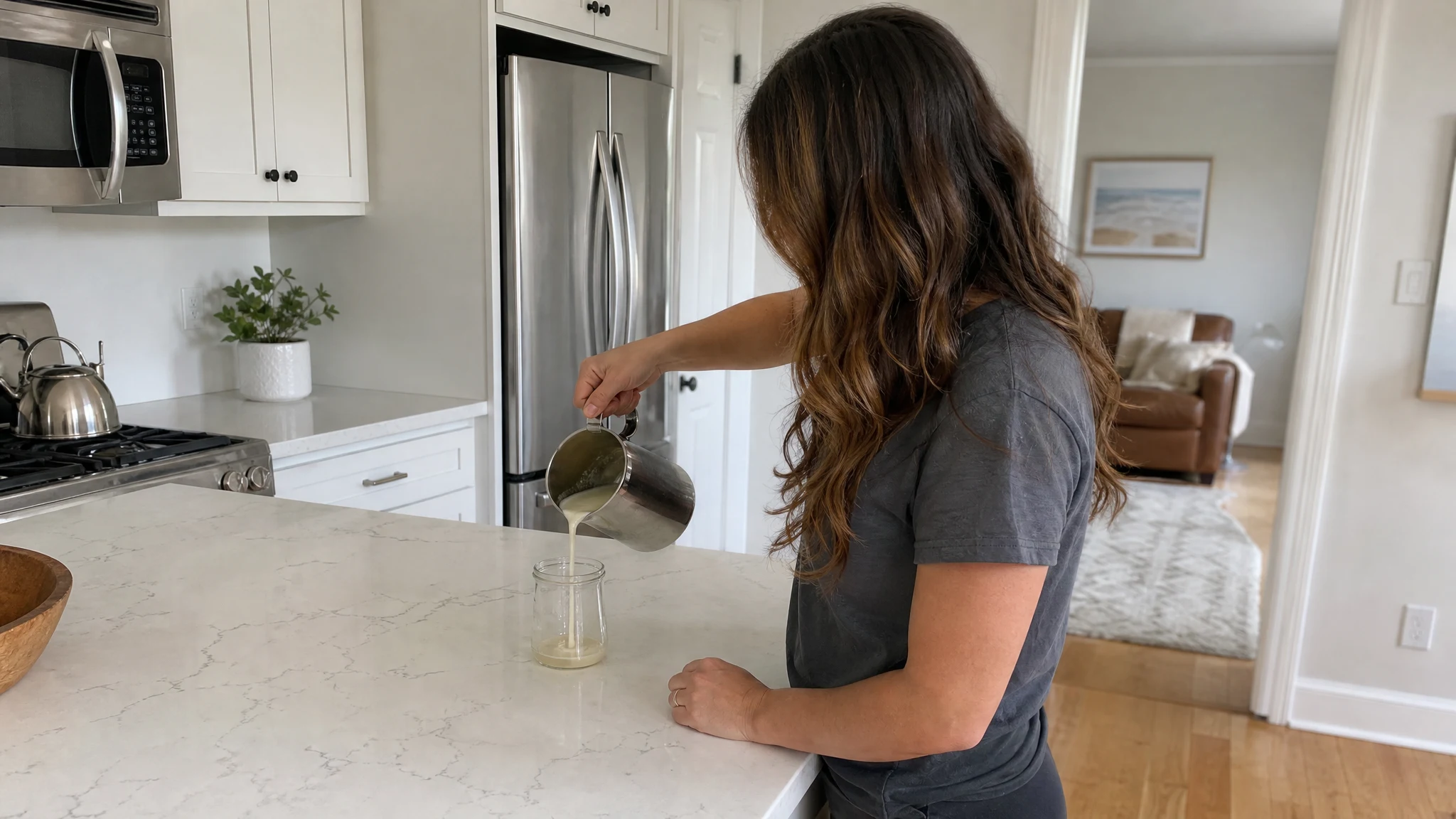
Melt the butter gently, stir in the liquid oil, then let the mixture cool until it just starts to firm at the edges. Whip it, add the lavender oil last, and whip once more. We add the oil last, once the mixture is cool, so it is not heated along with the butter. Keeping the butter free of water is a practical habit too: use a clean, dry spoon every time you dip in.
The number that matters: one percent
The Tisserand Institute groups dilutions by what you are making rather than by oil. Body oils and lotions sit in its 1 to 3% range, while facial cosmetics and deodorants sit lower, at 0.5 to 1.2%. Our own dilution guidance for all four of our lavender-family oils is 0.5% to 2% in a carrier, with a patch test first. Where those two lines overlap, we start at the lower figure: 1% of the jar for a butter used on the body, and we would not put this butter on the face.
A butter stays on the skin for hours and is spread over a large area, so starting low is the sensible side to err on. If you like the result, you can nudge the strength up later; going the other way means making a whole new jar.
Here is the arithmetic for a 100 g jar. We used a relative density of 0.894, which is what the certificate we publish for one batch of our angustifolia oil lists, and about 20 drops per millilitre, a rough convention. We do not publish a density for our other three oils, so a scale beats any conversion here.
| Strength | Lavender oil by weight | Volume | Drops, roughly |
|---|---|---|---|
| 0.5% | 0.5 g | 0.56 ml | 11 |
| 1% | 1.0 g | 1.12 ml | 22 |
| 2% | 2.0 g | 2.24 ml | 45 |
Tisserand's own page reminds us that conversions using drops are always approximate because no two drops of essential oil are the same. A scale that reads to 0.1 g is the better tool; if you only have drops, count them into a spoon first and not straight into the jar.
Why we keep the jar small and the lid on
Lavender oil changes once it meets air, and that matters more in a butter than you might expect because whipping folds air through the whole jar. A 2008 study found that the main terpenes in lavender oil oxidised in air at the same rates as the isolated compounds, that the oil's sensitising potency rose as a result, and that people already allergic to oxidised linalool reacted to air-exposed lavender oil. The study measured the oil itself, not a finished butter, so what follows is our reasoning: make a jar you will use within a few weeks, keep the lid shut, and retire a butter that smells sharp or off. For storing the oil that goes into it, see our guide to storing lavender oil.
Let it settle before you judge it
Right after whipping, the butter is airy and soft. Give it a few hours in the jar, and you may find it settles into something firmer and creamier. Judge the texture then, not at the mixing bowl. Smell it again at that point too, because a scent often seems rounder once everything has had time to come together. If you like it, write the date on the jar and keep a note of what you did.
Who should skip this one
The National Center for Complementary and Integrative Health notes that topical lavender products may cause allergic skin reactions in some people. It also notes a few reports of breast tissue swelling in children who used topical lavender products, though it is unclear whether lavender was responsible, and that little is known about use in pregnancy or breastfeeding. We read that as: keep this butter away from babies and children, and check with your midwife or physician before using it if you are pregnant or nursing. Our pages on children and allergy and the spot test go through the details.
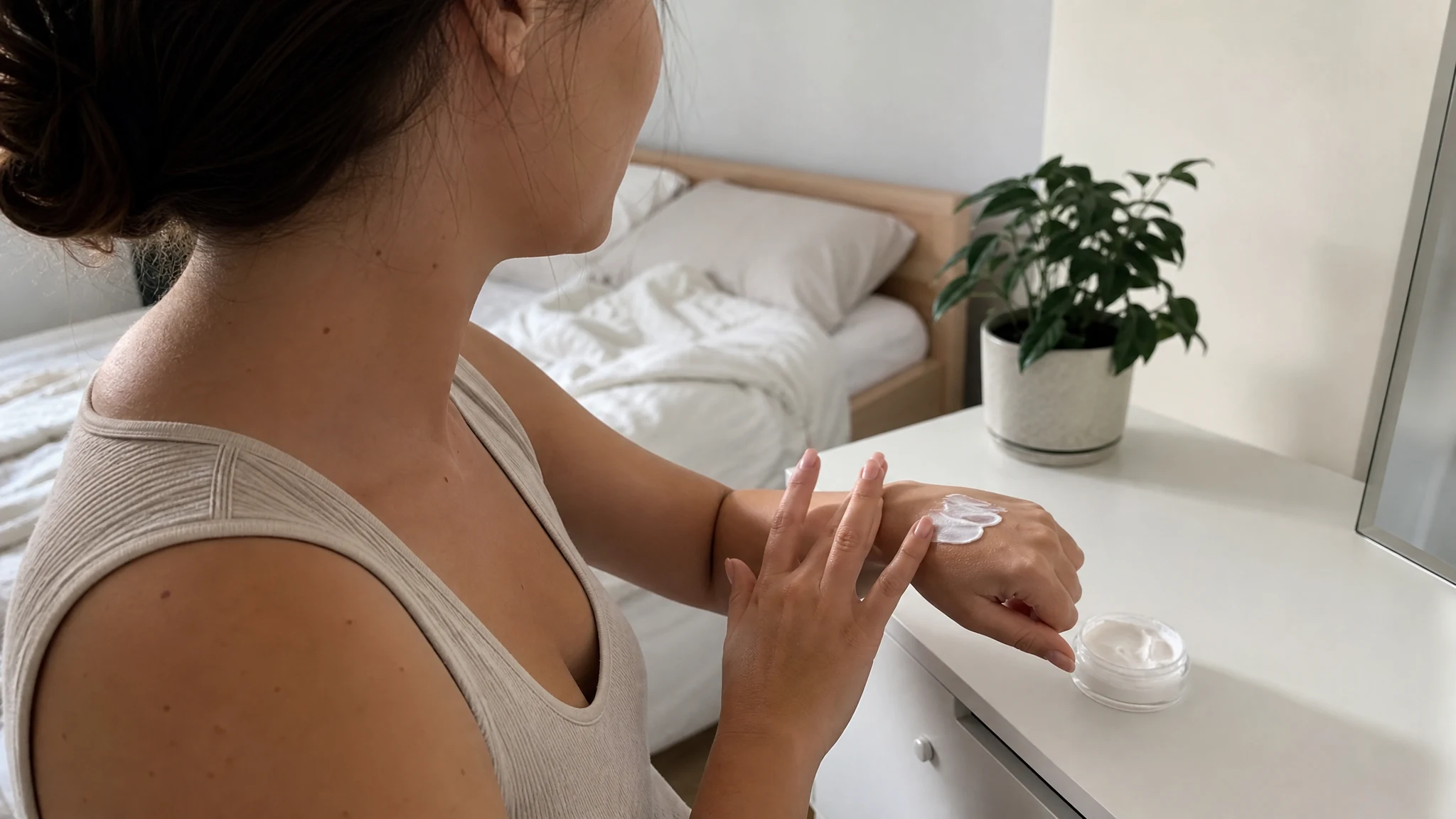
A forearm patch test is worth doing, and it is a screen, not clearance. The Tisserand Institute says plainly that patch testing is not 100% reliable and suggests starting with a low dilution, perhaps 1%, then moving up in 0.5% steps if needed. That is a good reason to treat your first jar as a trial: label it with the date and strength, and adjust only after you see how it feels on your skin.
Choosing the oil and the label
Lavandin grosso and spike lavender smell different from our angustifolia oil, with a more camphor-tinged, herbaceous lift, so they make a different butter. Our guide to the four oils helps you choose. If you are choosing a carrier, our carrier oil comparison is a good place to start.
Keep the label to what the jar is: a lavender-scented body butter. The FDA says claims about anxiety, depression or helping you sleep are drug claims, so words like relaxing or sleep-supporting are best left off.
A 1% lavender butter is a pleasant, scented moisturiser you can make in an afternoon, and the arithmetic above is what lets you repeat it exactly.
Lavender Essential Oil
Lavender Essential Oil from our own shop, in sizes from 0.5 oz to bulk.
From $12.99
Shop Now →Sources & Further Reading
- Tisserand Institute. Dilution for essential oils.
- Tisserand Institute. Irritation and allergic reactions - Tisserand Institute.
- Hagvall L et al., 2008. Lavender oil lacks natural protection against autoxidation, forming strong contact allergens on air exposure. Contact Dermatitis.
- National Center for Complementary and Integrative Health. Lavender.
- FDA. Aromatherapy.