Types of Lavender Oil: Lavandin, Spike and 40/42 Compared
Open four bottles that all say "lavender" and you can smell four different plants. One is soft and sweet, one is fresh with a camphor lift, one is sharp and green, and one is smooth and floral-herbaceous. We sell all four, and the word on the label hides a lot of the difference, so it helps to know what each name actually means.
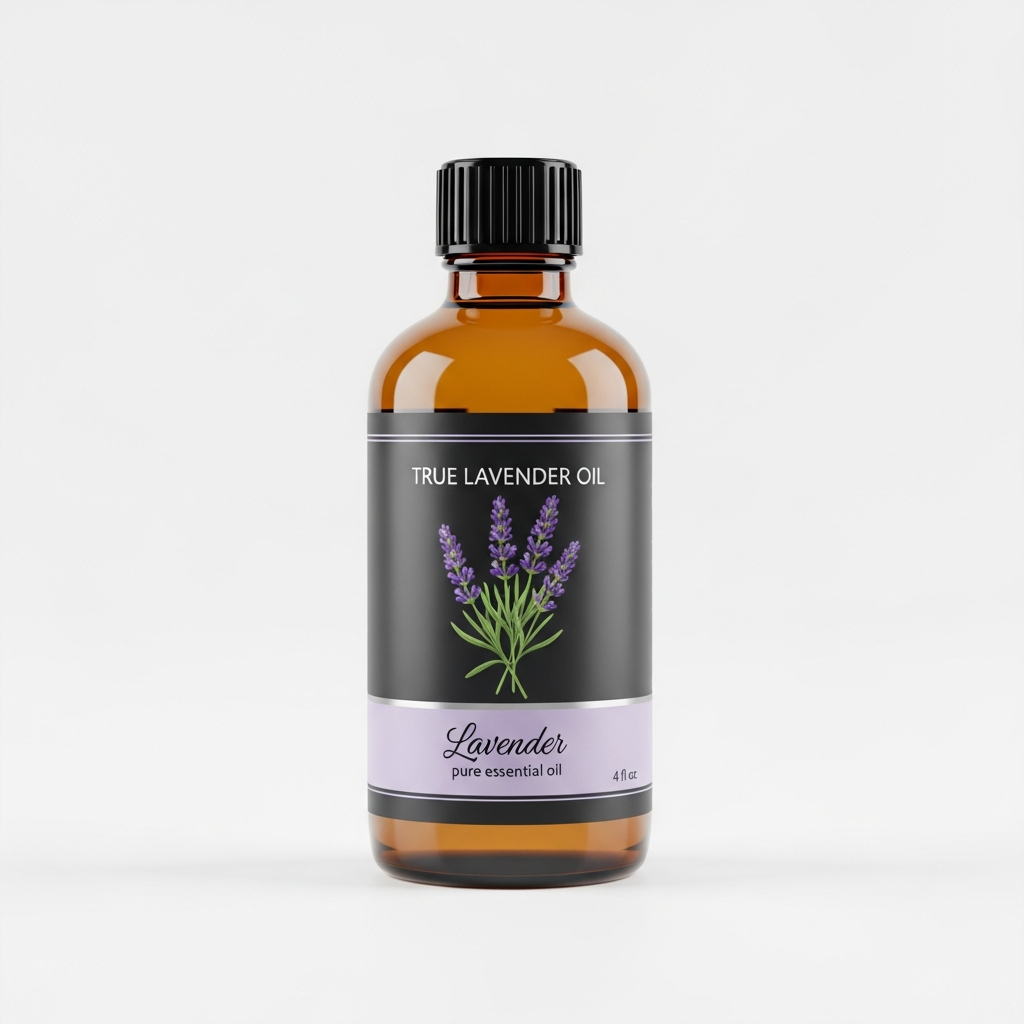
Lavender Essential Oil
Our own Lavender Essential Oil, in sizes from 0.5 oz to bulk.
From $12.99
Shop Now →Four oils, four names
Here is how we describe the oils we sell, in the order most people meet them.
| Oil | What it is | How we describe the aroma |
|---|---|---|
| Steam-distilled true lavender | Lavandula angustifolia, from the flowering spikes | Soft, floral and gently herbaceous with a clean, sweet finish |
| Lavandin grosso | Lavandula hybrida, a cross of true lavender and spike lavender | Fresh, herbaceous and floral, with a camphor-tinged lift |
| Spike lavender | Lavandula latifolia, a broad-leaved relative | Sharp, camphoraceous and herbaceous, with a green edge and little sweetness |
| 40/42 | A trade grade name for lavender oil; the species is not stated | Smooth, sweet and floral-herbaceous |
None of them is a substitute for another, and we would not suggest swapping one in for another in a formula without smelling it first.
Camphor tells the story
The clearest dividing line between these oils is camphor, the molecule behind that clean, medicine-cabinet note. A 2023 review of lavender quality lists the quality limits for true lavender oil, and camphor is held low: under 0.5 to under 1.5 percent depending on origin, against roughly 20 to 45 percent linalool and 25 to 47 percent linalyl acetate, the two molecules that carry the floral sweetness (Crisan et al., 2023). The same review notes that lavandin and spike lavender have higher camphor levels, above 6 percent, which is why camphor is one of the checks for adulteration.
That is exactly what you smell. Lavandin is a sterile hybrid of the other two, and a 2023 review of it describes its aroma as sharper because of more camphor, borneol and 1,8-cineole, with camphor most frequently between 5 and 10 percent (Molecules, 2023). Spike lavender is the camphor-rich parent; one study of its leaf oil from a nursery in Egypt found about 15 to 30 percent camphor and 29 to 46 percent 1,8-cineole, though that is leaf material from one site and not a standard for a bottle of spike oil (El-Hefny and Hussien, 2025). Put together, it makes sense that we describe spike as sharp and green and true lavender as soft and sweet.
Why lavandin exists
Lavandin is not a lesser plant so much as a more generous one. According to the 2023 lavandin review, it yields on average about 120 kilograms of essential oil per hectare, against about 40 for true lavender, and it costs less to produce. That is why it turns up so often in cleaning products, laundry scent and soap, where a bold, fresh aroma and a large quantity matter more than softness. If you want a lavender smell that carries across a room or through a batch of soap, lavandin is a sensible place to look. If you want the gentle floral version for a pillow, a facial oil or a delicate blend, true lavender is where we would start.
What 40/42 can and cannot tell you
40/42 is a trade name rather than a botanical one. It refers to a grade of lavender oil sold under that number, and on our product page we say plainly that the exact species is not specified. If the identity of the oil matters to you, for a label, a formula or a customer, contact us before ordering. Aroma is a useful guide, but it is not a species test.
A way to smell all four
If you have the chance to compare them, do it properly. Put a drop of each on its own piece of plain paper or a cotton pad, and label each one with the oil and the date. Wave the paper gently a hand's width below your nose and breathe in. Take them in the order we would suggest: the soft, sweet true lavender first, then the smooth 40/42, then the fresher lavandin with its camphor-tinged lift, and last the sharp, green spike lavender. Give your nose a breath of fresh air between each one.
Notice the first impression, then the one a minute later. Some people find they love the lift of the sharper oils, and some find the soft ones more their style. There is no wrong answer, and it is the quickest way to find the oil you will actually use.
If you ever decant one of them into a smaller bottle, write the name on it straight away. After a season or two, four bottles that all say "lavender" are easy to mix up.
Choosing what to ask for
A few questions are worth putting to any seller of lavender, us included: which species, which part of the plant, how it was distilled, and what document supports it. We publish a Certificate of Analysis for one batch of our angustifolia oil, listing appearance, smell, relative density and refractive index. If you need GC-MS results, species confirmation or an allergen declaration for a particular lot, ask us in writing through our contact page and get the answer in writing too.
Our other guides go further on this: lavender versus lavandin looks at when each makes sense, and the scent profile walks through what each aroma is made of. Safe skin use differs by species too, so check published limits for the exact oil before you dilute it for skin.
Once you have smelled all four side by side, the label stops feeling like a single word and starts feeling like a menu.
Lavender Essential Oil
Lavender Essential Oil from our own shop, in sizes from 0.5 oz to bulk.
From $12.99
Shop Now →Sources & Further Reading
- Crisan et al., Current Trends for Lavender (Lavandula angustifolia Mill.) Crops and Products with Emphasis on Essential Oil Quality. Plants, 2023
- Lavandula x intermedia-A Bastard Lavender or a Plant of Many Values? Part I. Biology and Chemical Composition of Lavandin. Molecules, 2023
- El-Hefny and Hussien, Enhancing the growth and essential oil components of Lavandula latifolia using Malva parviflora extract and humic acid as biostimulants in a field experiment. Scientific Reports, 2025