Reading Lavender Studies: Inhaled, Swallowed or Skin?
Lavender is probably the most studied essential oil there is, and also one of the most over-quoted. A headline about a lavender study can mean an oil someone inhaled, a capsule someone swallowed, a patch on the skin or a result in mice, and those are four very different things. A few minutes spent learning which is which makes the whole subject easier to enjoy.
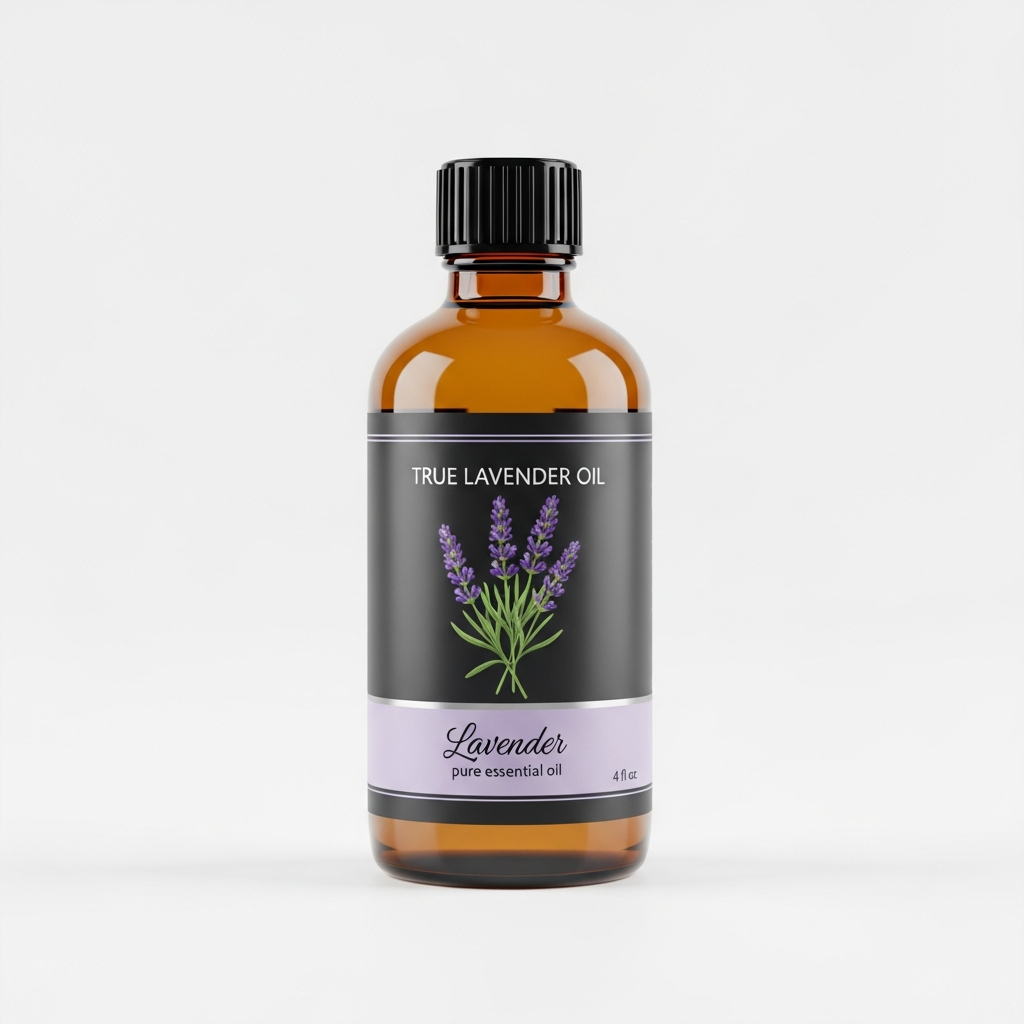
Lavender Essential Oil
Our own Lavender Essential Oil, in sizes from 0.5 oz to bulk.
From $12.99
Shop Now →Inhaled lavender: lots of studies, a cautious verdict
Most human studies on lavender oil ask whether breathing it changes how people feel or sleep. The most recent pooled analysis we found gathered 11 randomised trials with 628 adults and reported a positive average result for sleep quality, with a wide margin of uncertainty; its authors say the number and quality of the trials limit the conclusion and call for more high-quality studies. A 79-student trial found better sleep quality scores with a lavender patch plus good sleep habits, but the group that used sleep habits alone also improved, only less.
The National Center for Complementary and Integrative Health sums up the position plainly: it is unclear whether lavender aromatherapy helps with anxiety, stress or sleep. It adds that aromatherapy with lavender is considered possibly safe but may cause headache or coughing. We take that as the honest state of play. Many people simply love the smell, and that is a perfectly good reason to own a bottle. It is not a health claim, and we do not make one.
The capsule is a different product
Some of the best-known lavender results come from an oral capsule made to a pharmaceutical standard, not from an essential oil you diffuse or dilute. The NCCIH describes studies of an oral lavender oil product for anxiety, with small samples and limited independence, and calls the research preliminary. If you read about a lavender trial with impressive numbers, check whether anybody breathed anything. We cover the capsule on its own in our post on Silexan, and the anxiety studies in what the anxiety research tested. We sell external, aromatic oils, not supplements.
On the skin: the part worth knowing
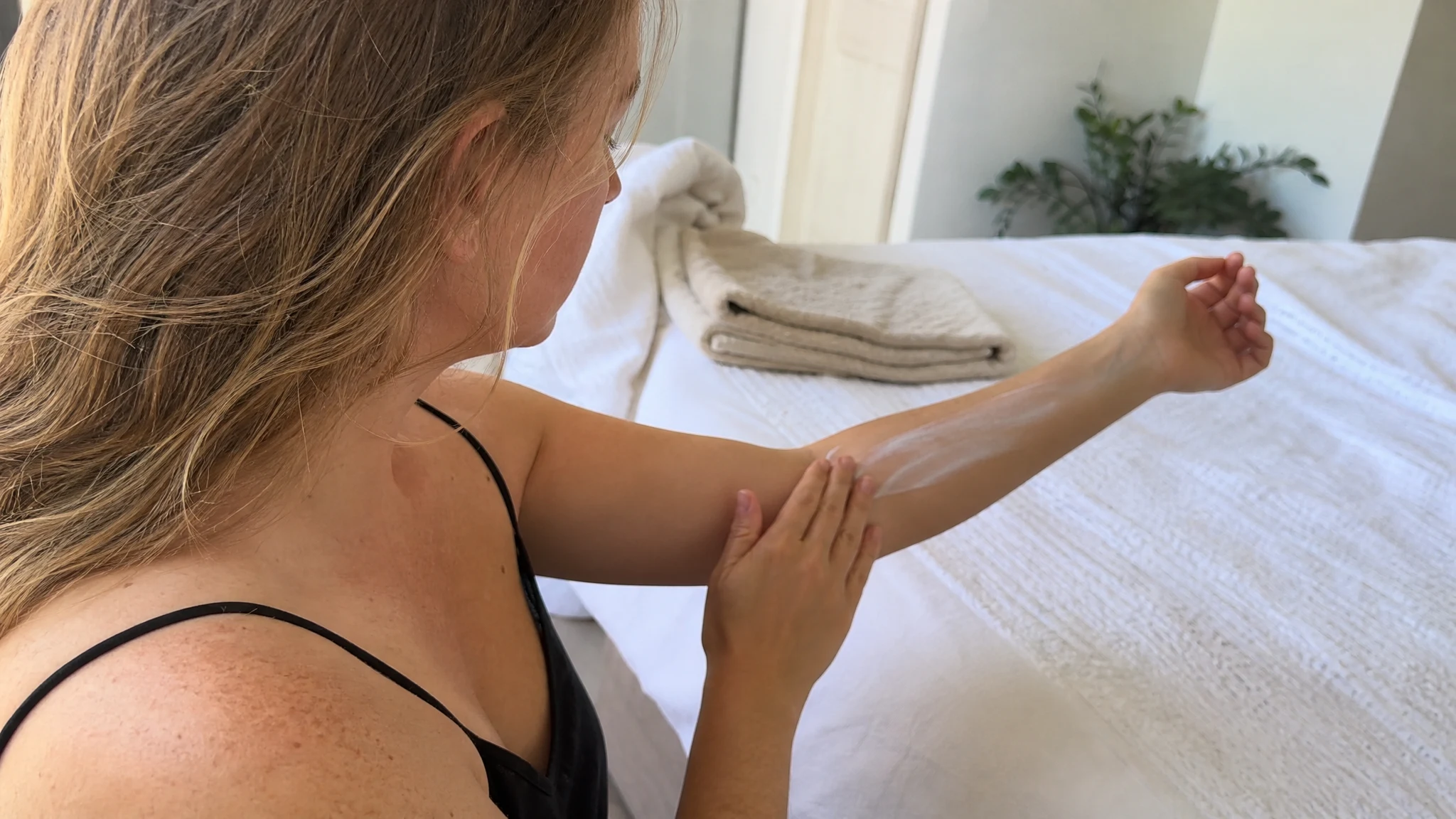
The skin research is where lavender gets the most practical attention, because lavender is a recognised fragrance allergen. An Australian clinic looked back over patch testing from 1993 to 2017 and found that 2.2% of 2,178 patients tested with lavender had a positive reaction. Those patients had been referred for suspected dermatitis, so the figure says nothing about the general public; it tells us lavender is an uncommon cause of allergic contact dermatitis that is worth keeping in mind.
Laboratory work adds a useful detail about freshness. Lavender oil was found to oxidise in air at the same rate as its main components, and air-exposed oil became more sensitising in a mouse assay and provoked reactions in patients already allergic to oxidised linalool. That is a tidy reason to keep bottles capped, cool and dark, and it is why we point to our storage advice in how to store lavender oil. Our dilution guidance is 0.5% to 2% in a carrier with a patch test first, and we suggest starting at the lower end. Our patch test guide shows how.
Where claims run ahead of the evidence
Skin and body topics attract the boldest claims, from blemishes to bites to burns. For these, a claim worth trusting arrives with a named study, a design and a sample size. Lists that give none of those are asserting, not reporting. We keep each topic in its own post so the studies can be read in context: hormones in children, headaches and acne among them.
It helps to know one rule of the road: FDA treats a product's intended use, shown by its labelling and website claims, as what determines whether it is a drug or a cosmetic, and says claims to help you sleep are drug claims. That is why a cosmetic oil company reports studies and does not turn them into promises.
A reading habit worth having
Headlines about lavender tend to travel faster than the details. A useful habit is to scroll past the headline and look for the line that says what was studied: which oil, which species, how it was delivered, who took part and for how long. It takes less than a minute, and it saves you from carrying a half-remembered claim around for years. If a page gives you none of that detail, you can enjoy the story and keep looking.
Enjoying lavender without the footnotes
None of this is meant to take the fun out of lavender. Most of what we love about it is not in a trial at all: the soft, floral smell when you first open a bottle, the greener, sharper character of the spike beside it, the way a room smells a little more cared for. You are allowed to love it simply because it smells good, and keeping a bottle capped on a high shelf is all the upkeep it needs.
How we would read a lavender headline
Ask four questions: what exactly was used, how was it used, who took part and how many, and did anybody report on the oil you are holding? We sell four lavender-family oils, and published studies mostly use Lavandula angustifolia, so a result about one species does not carry over to the others. The Certificate of Analysis we publish is for one batch of our angustifolia oil and gives density and refractive index, not constituents. Ask us in writing through the contact page if you want more documentation for a particular lot.
Lavender is a pleasure to work with and to read about. We just prefer our enthusiasm to come with the footnotes.
Lavender Essential Oil
Lavender Essential Oil from our own shop, in sizes from 0.5 oz to bulk.
From $12.99
Shop Now →Sources & Further Reading
- Shen H et al. The Sleep-Enhancing Effect of Lavender Essential Oil in Adults: A Systematic Review and Meta-Analysis. Holist Nurs Pract, 2026
- Lillehei AS et al. Effect of Inhaled Lavender and Sleep Hygiene on Self-Reported Sleep Issues: A Randomized Controlled Trial. J Altern Complement Med, 2015
- Lavender: Usefulness and Safety, NCCIH
- Bingham LJ et al. Contact allergy and allergic contact dermatitis caused by lavender: A retrospective study from an Australian clinic. Contact Dermatitis, 2019
- Hagvall L et al. Lavender oil lacks natural protection against autoxidation, forming strong contact allergens on air exposure. Contact Dermatitis, 2008
- Aromatherapy, FDA