Does Lavender Oil Heal Skin? What the Studies Looked At
Search for lavender oil and healing skin and you will find confident promises everywhere. The more useful question is what is actually known, and the honest answer is that the research is about how fresh wounds close in lab animals, which is a different thing from how skin looks months later. We sell lavender oils as aromatic oils, and we want you to see the evidence clearly.
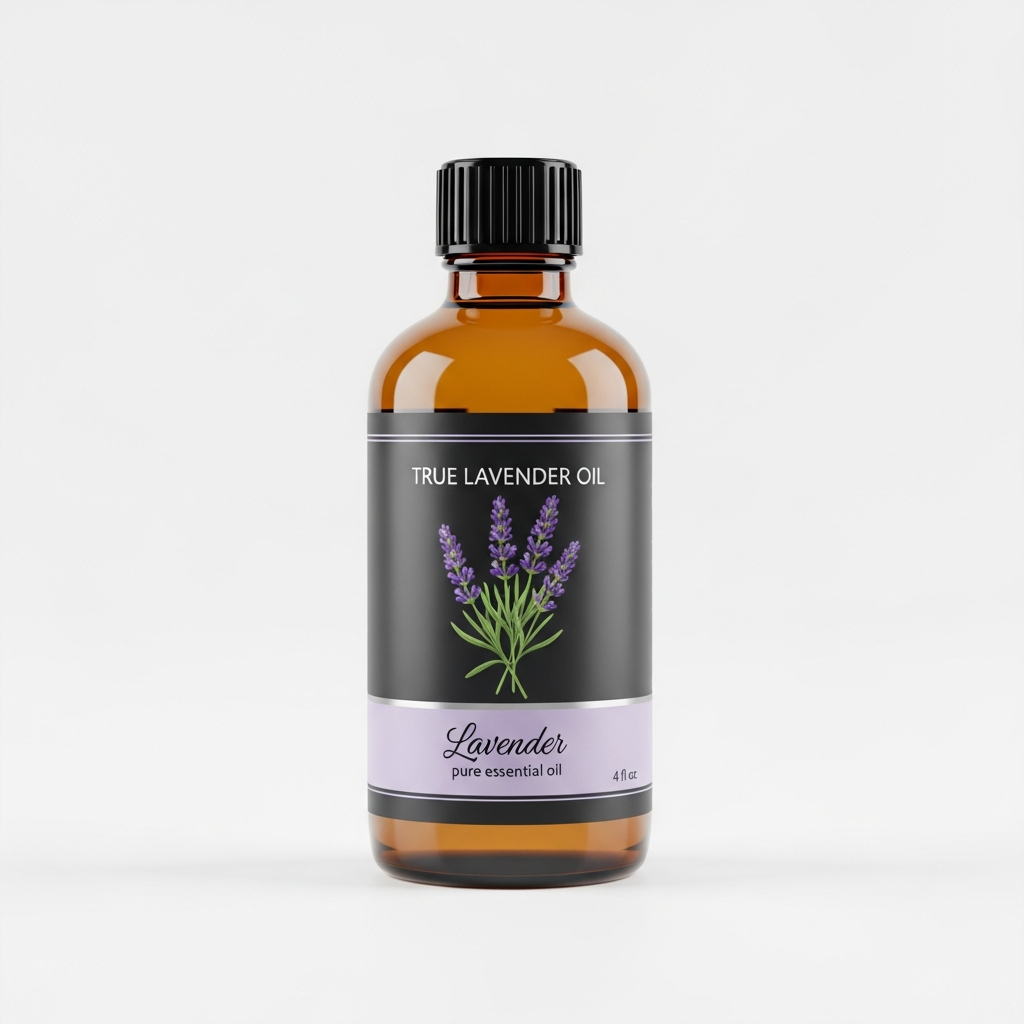
Lavender Essential Oil
Our own Lavender Essential Oil, in sizes from 0.5 oz to bulk.
From $12.99
Shop Now →What time does on its own
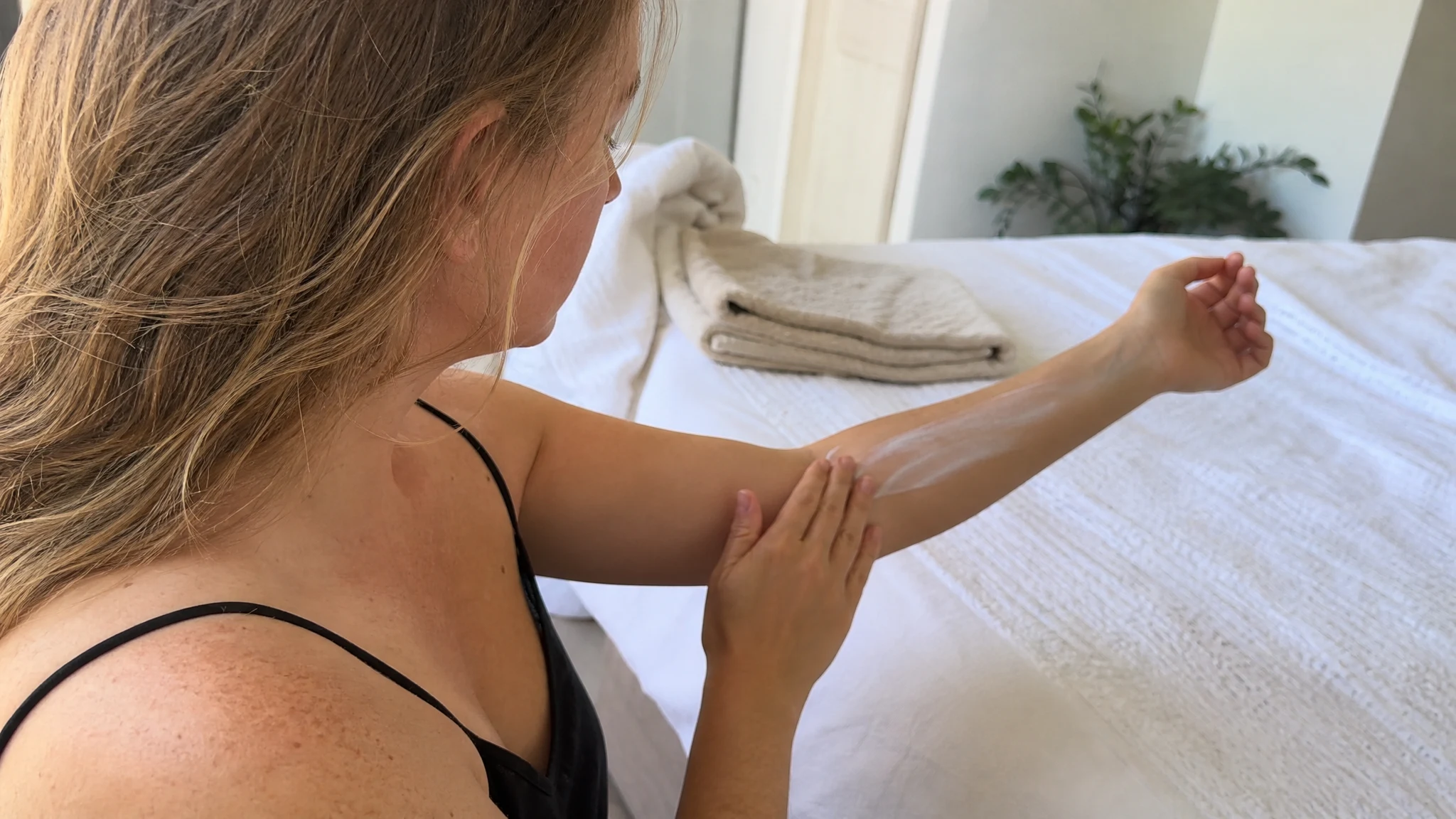
The NHS puts it plainly: most scars fade over time without any treatment, which can take up to two years or more. It describes the types, from fine-line scars that usually flatten and fade on their own, to keloid scars that are raised, hard and grow beyond the original wound, and it lists what a GP may suggest, such as silicone dressings or gels, steroid injections, freezing, laser or skin camouflage. Once a wound is fully healed, it suggests massaging with a water-based cream for up to 10 minutes a few times a day, and it says to see a GP if a scar is painful or bothering you, or to get urgent advice if it is swollen, warm or has pus coming out (NHS, Scars). The point worth taking from that: since time is doing a lot of the work, anything used along the way can look as if it helped. That is a reason to be skeptical of bold claims, ours included, and a reason for anything stubborn to go to a doctor or pharmacist.
What the lavender studies are
The study people cite most is a 2016 rat experiment. Round, full-thickness wounds were made on rats, and a control solution or lavender oil was applied on alternating days for 14 days. The wounds treated with lavender oil were smaller than controls on days 4, 6, 8 and 10, and showed more collagen, more fibroblasts and higher levels of a growth signal called TGF-beta (Wound healing potential of lavender oil by acceleration of granulation and wound contraction through induction of TGF-β in a rat model). It is interesting biology. It is also a study of open wounds in rats, measured in the first two weeks, and it did not look at what the skin looked like afterwards or at people. Faster closing and how skin looks later are not the same outcome, so we do not draw a line between them.
Why we would not apply it to a healing wound
Lavender is a well-loved scent, and it is also a known fragrance allergen when it has been exposed to air. In a 2008 study, lavender oil oxidised in air at the same rate as its pure components, became a stronger sensitiser in mice, and caused reactions on patch testing in people already allergic to oxidised linalool (Lavender oil lacks natural protection against autoxidation, forming strong contact allergens on air exposure). A six-country study of 2,900 dermatitis patients found that 6.9% reacted to oxidised linalool (Air-oxidized linalool: a frequent cause of fragrance contact allergy). Those were people referred for suspected allergy, so the rate does not describe everyone, but it shows why care is sensible. The NCCIH likewise says topical lavender products may cause allergic skin reactions in some people (NCCIH, Lavender: Usefulness and Safety).
Repeated daily massage means repeated contact on the same patch of skin, and a rash on a mark that is already changing is hard to read. So we would leave open or not yet fully closed skin alone, and keep anything on healed, intact skin properly diluted. Our dilution guidance is 0.5% to 2% in a carrier with a patch test first; we suggest starting at 0.5% to 1%, and 0.5% on the face, because we found no lavender-specific ceiling and the allergy record above argues for the lower end.
A habit worth building: patience and notes
Healing skin tests everyone's patience. A small notebook or a note on your phone helps: write down the date a mark appeared, what has touched it, and what you were told to do. When you eventually see a professional, that history is gold, and it stops you cycling through products without knowing which one is which. Taking a photo every few weeks, in the same light, tells you more than your memory will.
Reading a skin claim with a clear head
Product pages and social posts about skin often sound certain. A quick way to cut through is to ask whether the claim names a study, says what was tested and on whom, and tells you how long it lasted. If the answer to all three is no, enjoy the story and keep your wallet shut. We would rather be a small shop that says less and means it, so we keep lavender in the world of fragrance.
Where to go instead
For raised, spreading, painful, dark or sunken marks, a dermatologist or GP is the place to start, and a pharmacist can talk through silicone sheets or gels. We sell four lavender-family oils (true lavender, lavandin grosso, spike lavender and the 40/42 trade grade) for fragrance, and we make no claim that any of them changes a mark on the skin. If you enjoy the scent in a diluted body oil, our skin strength guide and patch test guide explain how to do it carefully, and our acne post covers why professionals treat the cause first.
The best thing here may be the simplest: be patient with healing skin, and let lavender be about the aroma.
Lavender Essential Oil
Lavender Essential Oil from our own shop, in sizes from 0.5 oz to bulk.
From $12.99
Shop Now →Sources & Further Reading
- NHS, Scars
- Mori HM et al., Wound healing potential of lavender oil by acceleration of granulation and wound contraction through induction of TGF-β in a rat model. 2016
- Hagvall L et al., Lavender oil lacks natural protection against autoxidation, forming strong contact allergens on air exposure. Contact Dermatitis, 2008
- Bråred Christensson J et al., Air-oxidized linalool: a frequent cause of fragrance contact allergy. Contact Dermatitis, 2012
- NCCIH, Lavender: Usefulness and Safety