How Lavender Oil Is Made: Cut Date, Drying and Steam
If you picture lavender oil being made, you probably picture a copper still. The more interesting decisions happen earlier, in the field. When the crop is cut, whether it is dried, and how the steam is run all leave their mark on what ends up in the bottle, which is why two lavender oils with the same label can smell a little different.
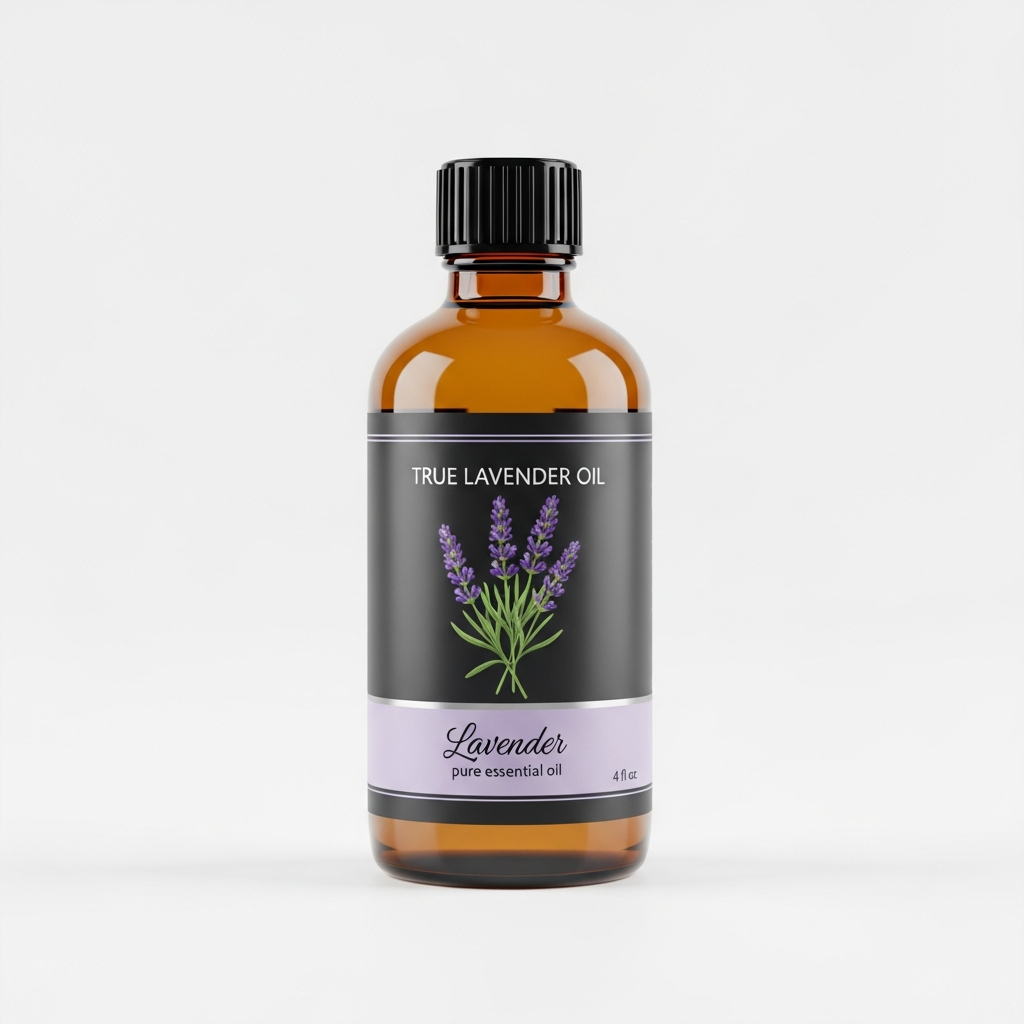
Lavender Essential Oil
Our own Lavender Essential Oil, in sizes from 0.5 oz to bulk.
From $12.99
Shop Now →Follow the story with your nose
You can make this process feel real at home. Rub a fresh lavender flower head between your fingers, then smell a drop of lavender oil on a paper strip. The flower is greener and more herbal, while the oil is more concentrated and more floral. That small difference is what the field, the cut and the still add up to, and it is a good way to remember that a bottle of oil is a lot of flowers made into very little liquid.
The cut decides more than you would think
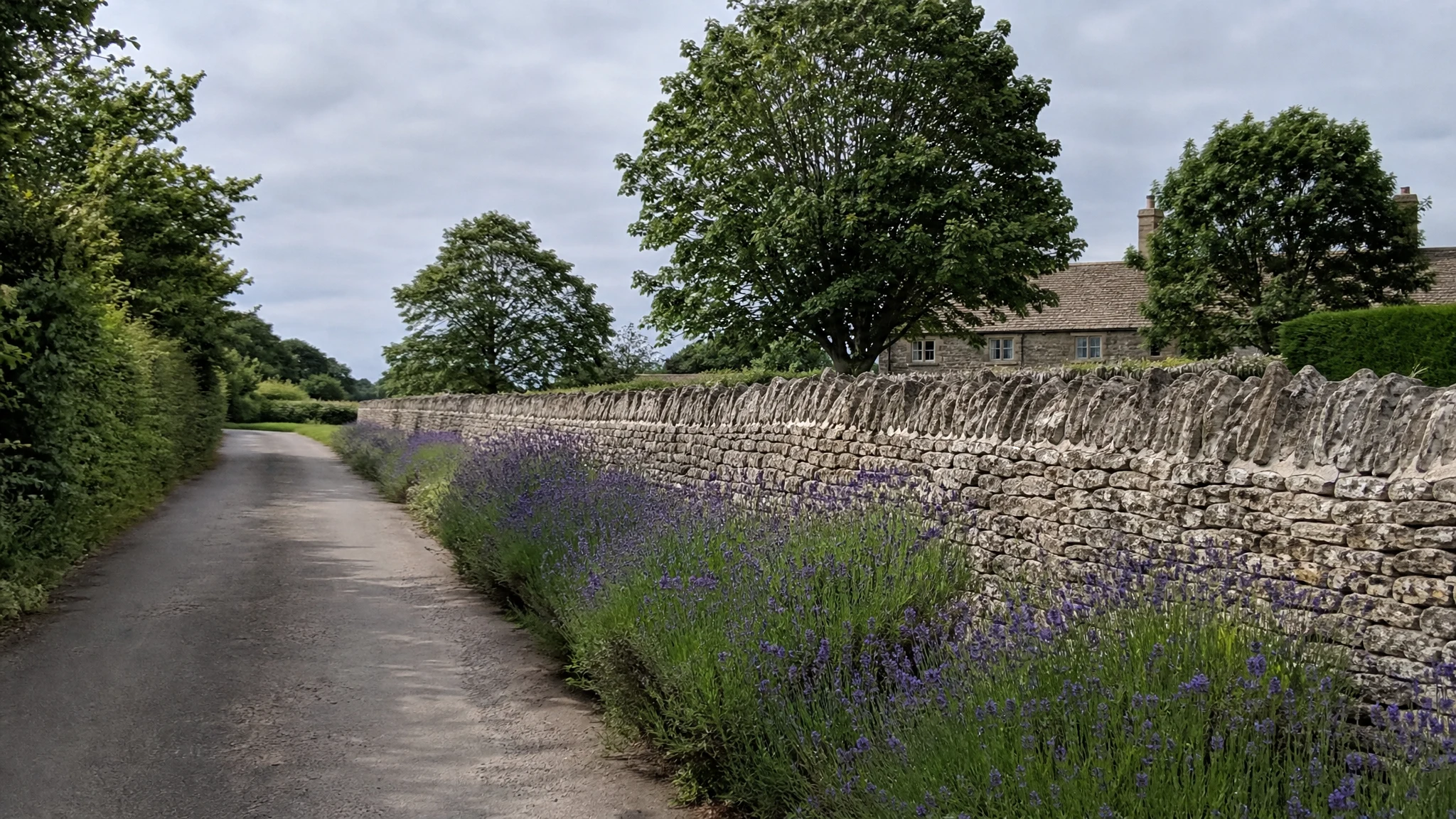
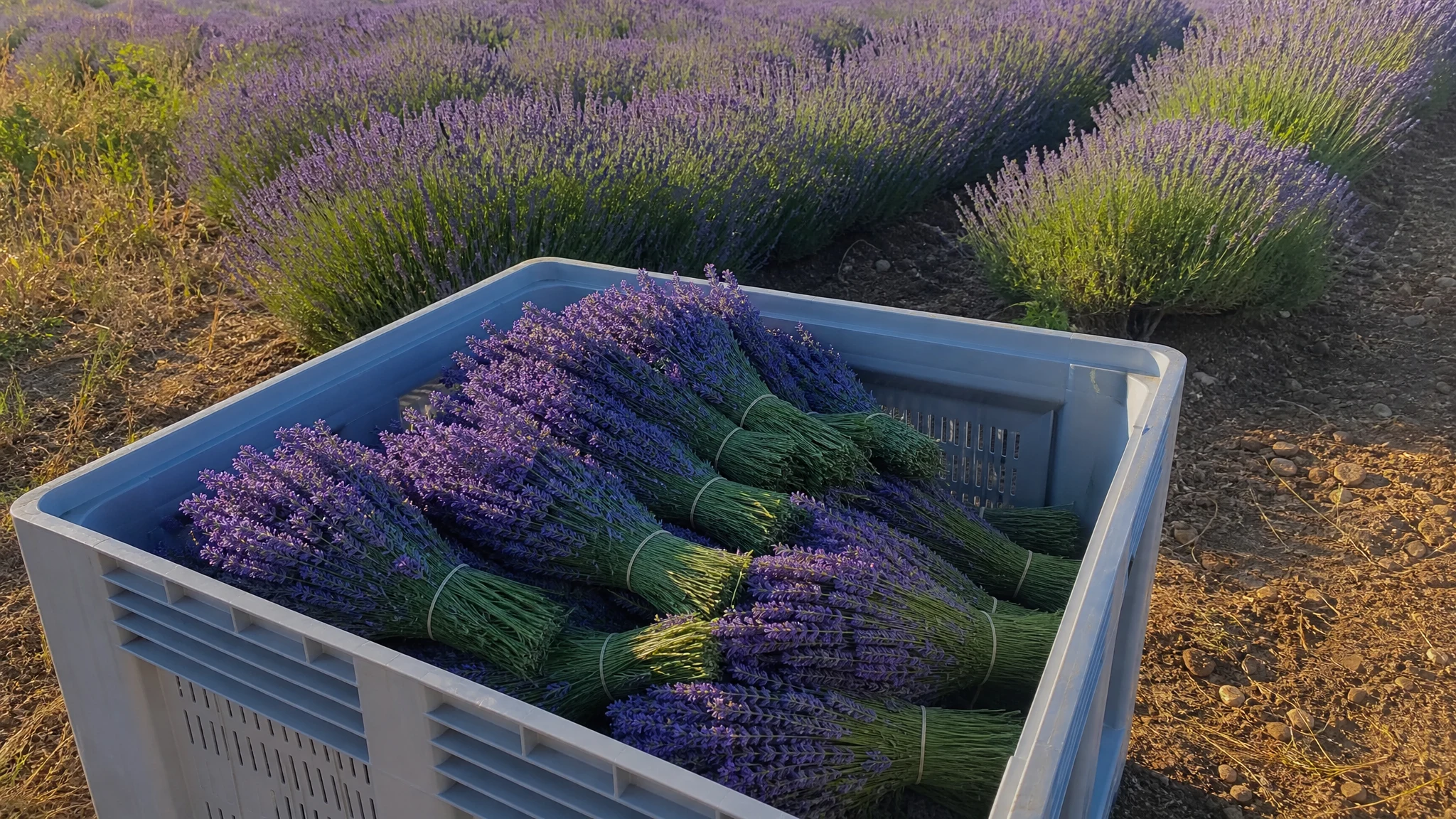
A review of lavender production says flowering tops are collected at full flowering, and that authors suggest harvesting for the best oil yield anywhere from 50% flowering to the end of flowering. Even the time of day is debated, with advice ranging from after 10 a.m. until noon to after midday. There is no single rule, and that spread tells you something: the grower has choices.
A Hungarian field trial followed lavender flowers through bud, full bloom and the end of flowering. In the angustifolia cultivars, oil content was highest at the end of flowering in both years, and for most cultivars linalool was highest then too, while the highest share of linalyl acetate showed up at full bloom in most samples. Reasoning from that, a grower who cuts at full bloom and one who waits until the end are making slightly different oils from the same field, one leaning more toward linalyl acetate, the main ester, and one toward more oil and more linalool.
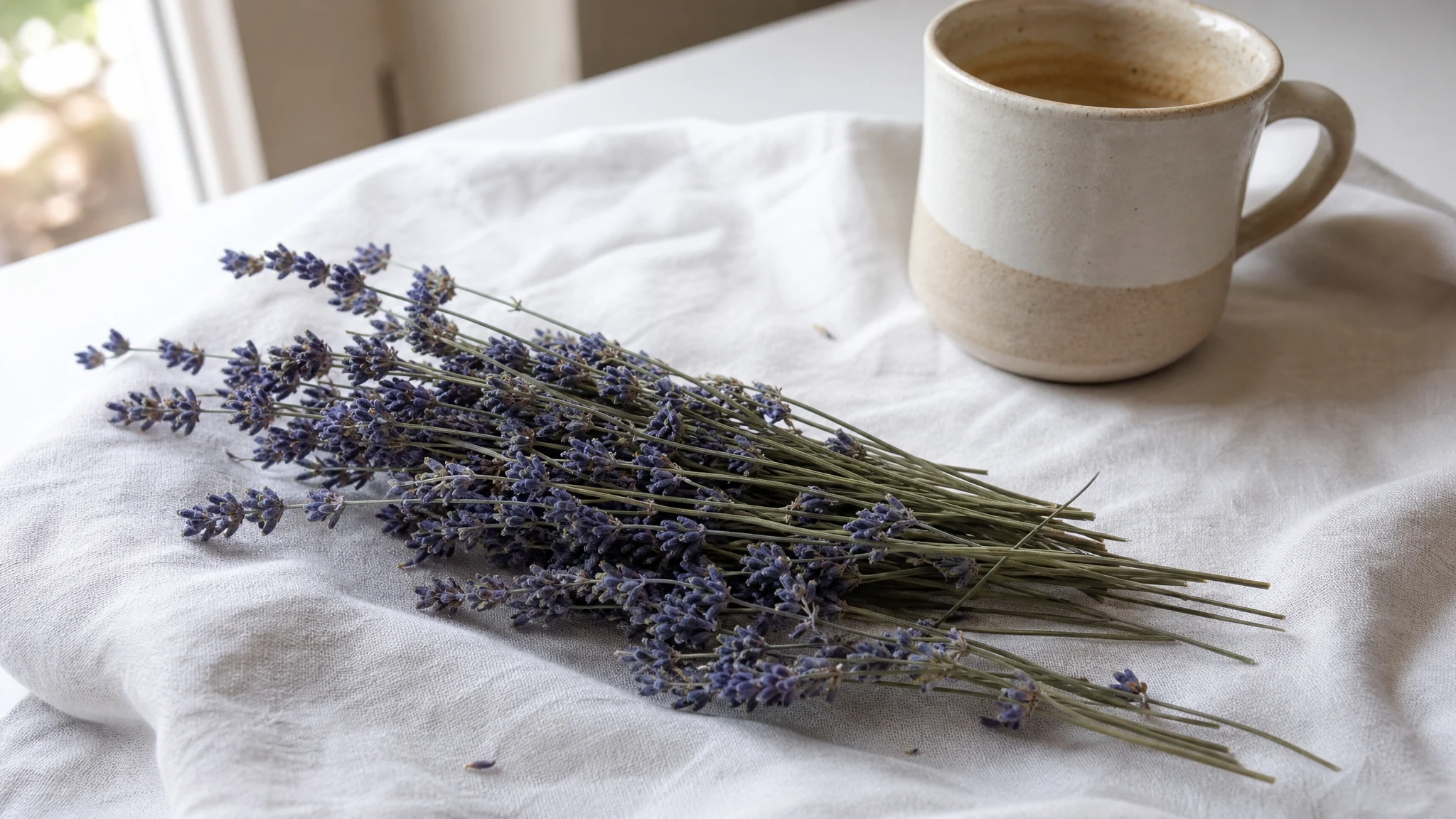
Fresh or dried
Fresh lavender flowers hold about 0.7 to 1.4% volatile oil, and a ton of fresh flower heads gives about 10 kg of oil on average. The oil lives mostly in the calyx, the little cup that holds each flower, rather than in the leaves. Some growers dry the flowers before distilling, in shade or at about 35 °C. A Polish study cited in the review found that air-dried lavender produced an oil with 60 to 70 compounds, against 56 to 57 for oven-dried, and that oven-dried material gave an oil richer in camphor. We describe our angustifolia oil as steam-distilled from fresh flowering spikes, which is the fresh-flower route.
What the steam does
In steam distillation, steam passes through the plant material, carries the aromatic compounds with it, and condenses into water and oil, which separate because the oil floats. Hydrodistillation boils the plant in water instead. The method changes the result: the same review notes that linalyl acetate partly degrades under hydrodistillation, which leaves more linalool compared with steam distillation. The practical takeaway is that a distiller's choices show up in the balance between those two main compounds, and a report that gives their percentages is describing the process as well as the plant.
Same still, different plant
A still does not care what you put in it. Lavandin, the sterile hybrid of true lavender and spike lavender, is a hardier, larger plant that produces more oil per hectare. A 2023 review puts the average at about 120 kg of oil per hectare for lavandin against about 40 kg for true lavender, which is why lavandin oil is several times cheaper and a staple of the market. The same review says lavandin carries much more camphor, from 2 to 33% and most often 5 to 10%, giving a slightly spicier aroma.
That is not a mark against lavandin. It is a distinct oil with a character of its own, and we sell lavandin grosso as exactly that, next to our angustifolia oil, spike lavender and a trade-grade 40/42. The only thing that matters is that the label names what is in the bottle. Our varieties guide explains how to read those names.
Reading a bottle with this in mind
Next time you hold a bottle of lavender oil, ask three plain questions: which plant, which part and which method. They map neatly onto the field, the cut and the still. Ask them of any seller, including us. A seller who can answer in writing is telling you how the oil was made, and one who cannot leaves you to guess. Keep the answers with the bottle, because they are worth more a year later than the memory of a pretty label.
What a certificate can tell you
A certificate describes the oil, not the field or the still. The certificate we publish covers one batch of our angustifolia oil and lists appearance, smell, relative density (0.894) and refractive index (1.458). It does not show the harvest stage or the distillation run. If you need GC-MS data for a particular lot, species confirmation or an allergen declaration, ask us in writing through the contact page before ordering. Our guide to reading a GC-MS report explains what such a report shows, and our buying guide covers what to ask a seller.
The still gets the credit, but the field does a good share of the work: the cut date, the drying and the length of the steam run are all choices that shape the oil you smell.
Lavender Essential Oil
Lavender Essential Oil from our own shop, in sizes from 0.5 oz to bulk.
From $12.99
Shop Now →Sources & Further Reading
- Crisan I et al., 2023. Current Trends for Lavender (Lavandula angustifolia Mill.) Crops and Products with Emphasis on Essential Oil Quality. Plants.
- Détár E et al., 2021. Ontogenesis and harvest time are crucial for high quality lavender - Role of the flower development in essential oil properties. Industrial Crops & Products.
- Lavandula × intermedia - A Bastard Lavender or a Plant of Many Values? Part I. Biology and Chemical Composition of Lavandin. Molecules, 2023.