Lavender Face Mist: Keeping Oil and Water Together
A lavender face mist is a lovely idea: a fine cool spritz, a hint of floral scent, a small ritual in the afternoon. It is also the DIY lavender project that needs the most planning, because it mixes oil with water, and those two have never agreed. Plan for that and you get a mist worth making. Skip the plan and you get a bottle of water with oil on top.
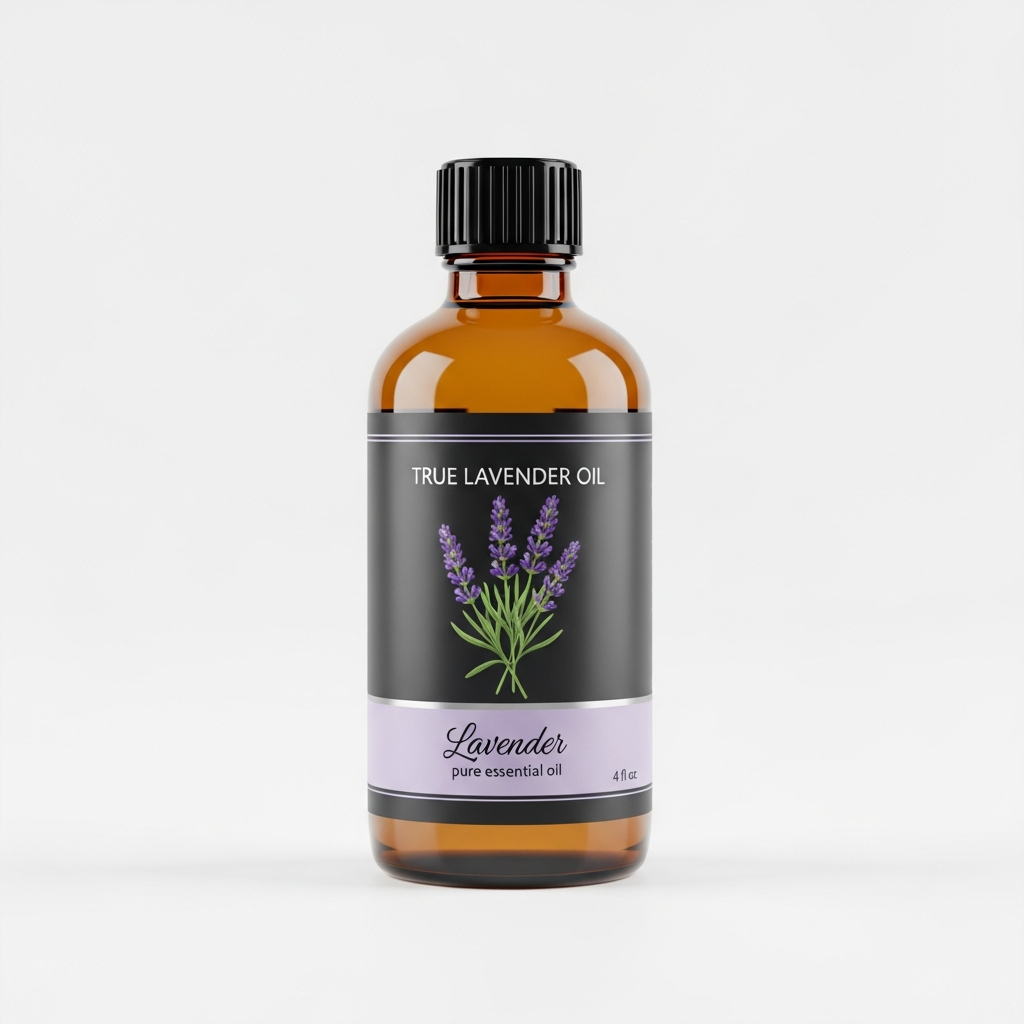
Lavender Essential Oil
Our own Lavender Essential Oil, in sizes from 0.5 oz to bulk.
From $12.99
Shop Now →Step one: get the oil to stay mixed
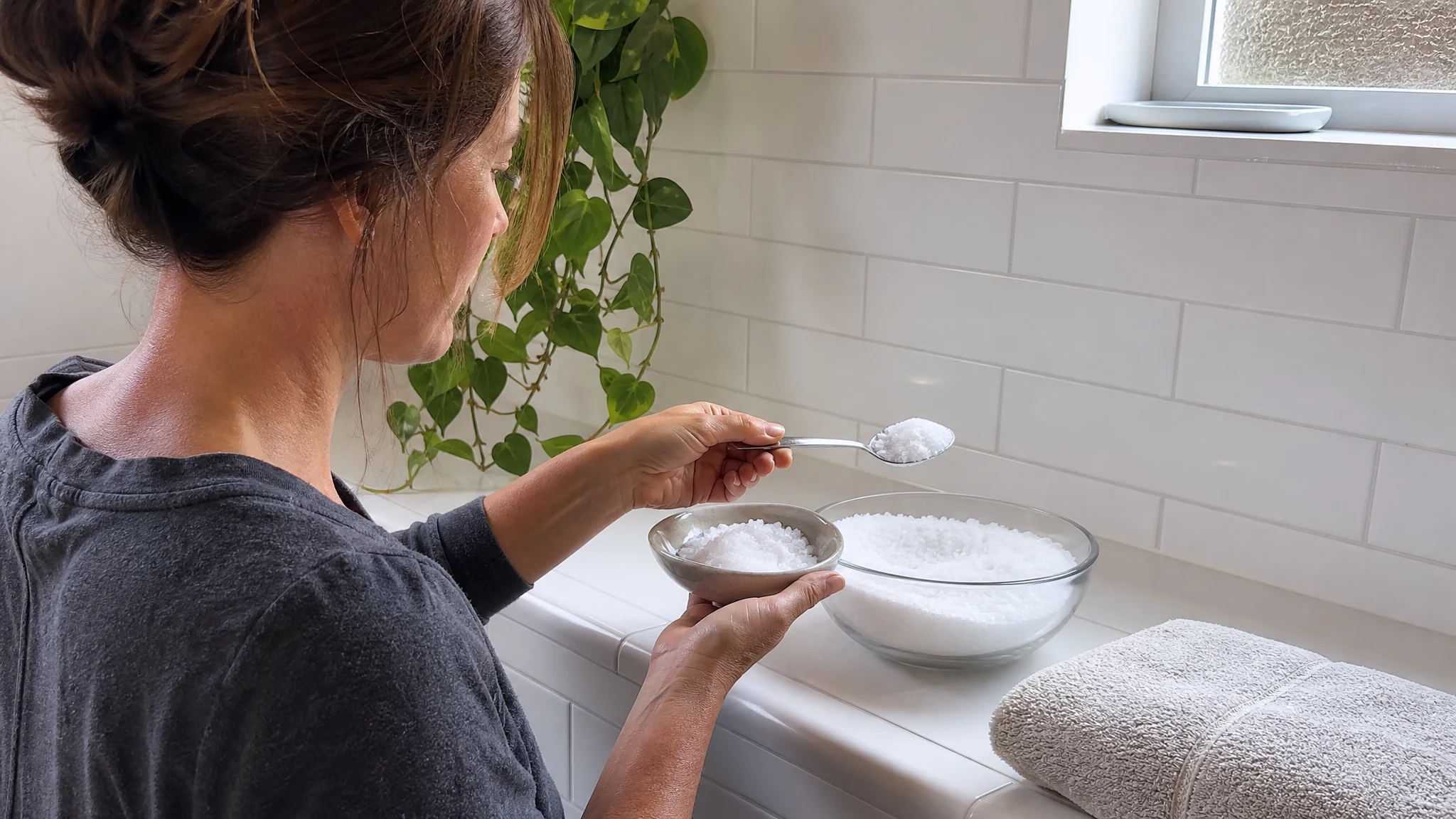
Essential oils do not dissolve in water, so shaking is a temporary truce at best: the first sprays are mostly water and the last ones carry the concentrated oil. The Tisserand Institute names polysorbate 20 as a dispersant for water-based products, noting that "2-3% is ideal, or whatever is skin safe, but you can go up to 15% or so if needed", and for a bath suggests mixing the oil with an equal amount of polysorbate 20 (Tisserand Institute). Those figures are written for baths and general water-based products rather than for the face, so our suggestion is the simplest version of the idea: mix the oil with an equal weight of polysorbate 20 first, until it is clear, and only then stir that into the water. A cosmetic-ingredient supplier sells polysorbate 20, and the supplier's data sheet is the place to check a leave-on facial maximum.
Step two: choose a face-sized strength
The Tisserand Institute lists 0.5-1.2% for facial cosmetics and deodorants, the range meant for the face and other sensitive areas (Tisserand Institute). Our own skin guidance for all four of our oils is 0.5% to 2%, and for the face we start at 0.5%, the bottom of both ranges. If you plan to sell a mist, a cosmetic safety assessor should set the figure for your formula.
The arithmetic, per 100 g of finished mist, uses about 20 drops per ml, which varies by dropper, and 0.894 g/ml, the relative density of the one angustifolia batch on our Certificate of Analysis (we publish no density for our other three oils):
| Strength | Lavender oil | Drops (about) | Polysorbate 20, equal weight |
|---|---|---|---|
| 0.25% | 0.25 g | 6 | 0.25 g |
| 0.5% | 0.5 g | 11 | 0.5 g |
| 1% | 1 g | 22 | 1 g |
Those amounts are tiny, so a scale that reads to 0.01 g beats counting drops.
Step three: respect the water
Anything made with water needs protection from microbes. A review of cosmetic preservation notes that products containing water require preservation, and that preservative systems are verified with a challenge test (Halla et al., 2018). Another review describes Burkholderia cepacia complex bacteria as a feared contaminant of water-based products, with particular risk for people with cystic fibrosis or weakened immunity (Tavares et al., 2020).
We do not treat lavender oil as a preservative, and we have no source saying it acts as one at these strengths. So our advice is simple: make a small batch, use a bottle you have washed and rinsed well, and use it up the same day, then discard what is left. A mist meant to sit on a shelf needs a broad-spectrum cosmetic preservative from a cosmetic supplier, used at the supplier's stated rate. The same logic applies to hydrosol as a base, which is also water, and which we do not sell.
Choose the bottle and the spray
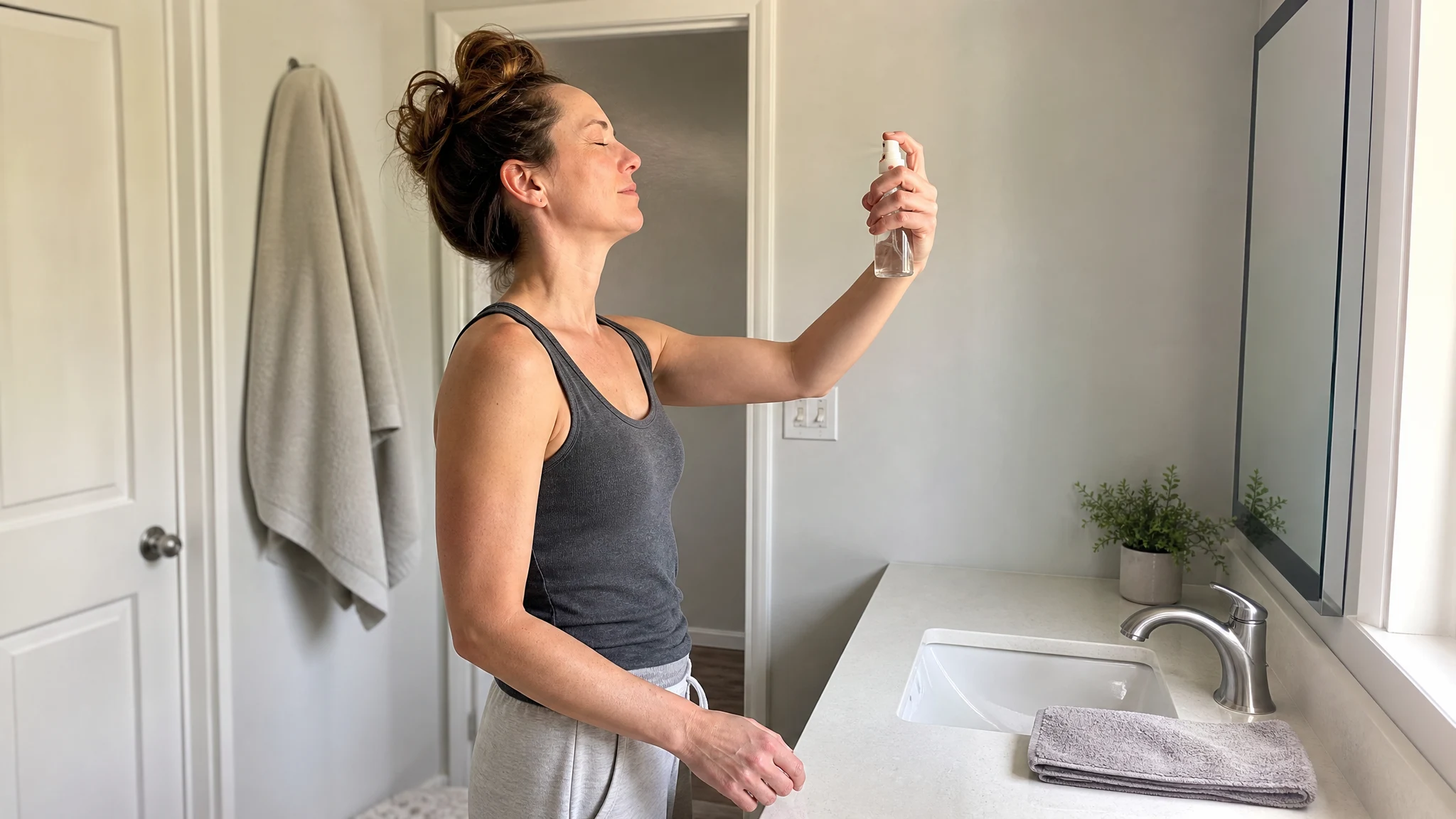
A fine-mist spray bottle gives a softer, more even cloud than a coarse one, and you will find bottles like that at a craft shop or pharmacy. Wash and rinse it well, then test the spray with plain water first so you know how far it reaches and how wide it spreads. Hold it a little way from your face, and give it one gentle shake before each use, since oil and water drift apart again as the bottle sits.
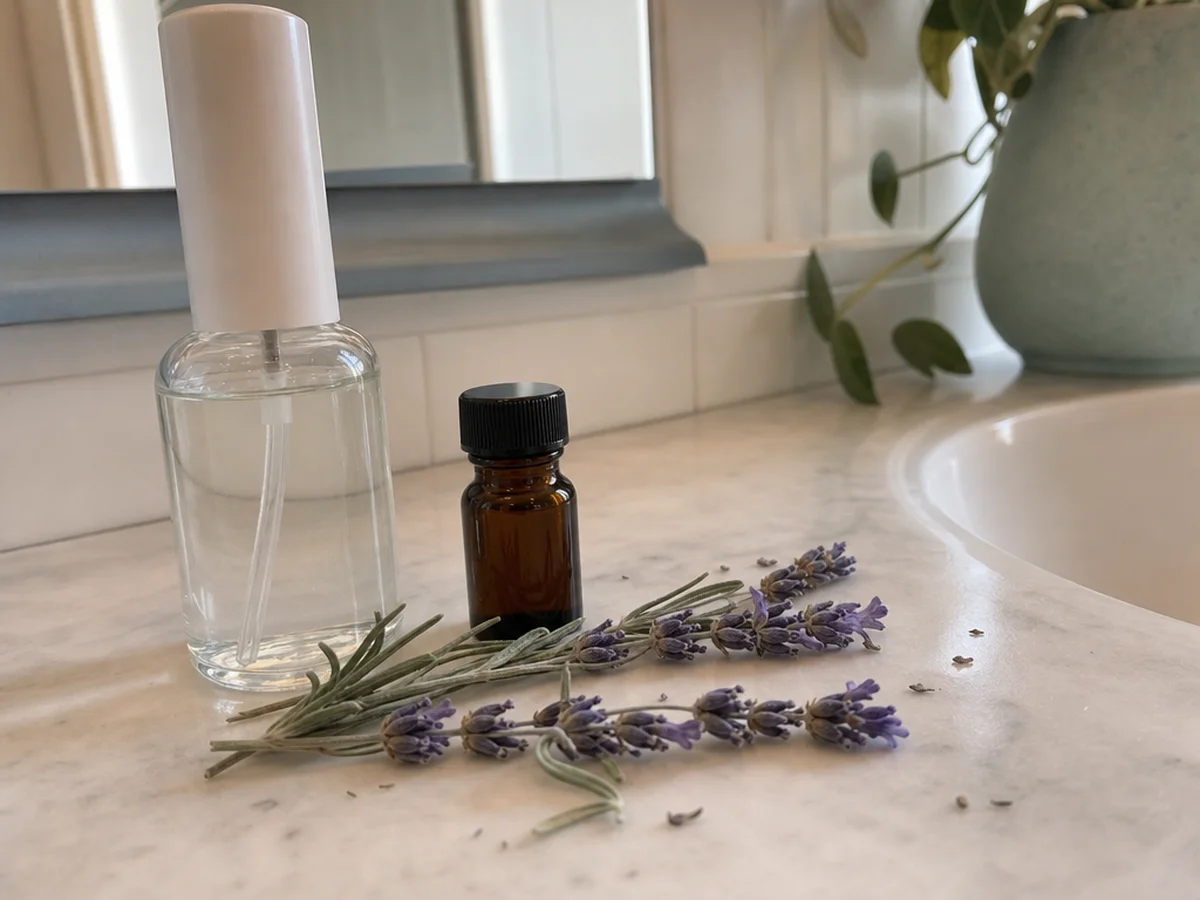
Label the bottle with the date and the strength the moment you fill it. A water-based mist is a short-lived thing, and a date on the label is the easiest way to remember when to pour out what is left.
Eyes, skin and sensible limits
A mist travels, so spray into your palm or close your eyes and mouth while you spritz. Our guidance is to keep lavender oil away from eyes. Poison Control says not to use essential oils on damaged skin (Poison Control), so skip it on skin that is broken, inflamed or being treated, and if you have eczema or have reacted to fragrance before, ask a dermatologist first. Lavender can cause allergic skin reactions in some people (NCCIH), and air-exposed oil oxidizes into a stronger sensitizer (Hagvall et al., 2008), so cap the bottle after weighing. Patch test a little of the finished mist on the inner forearm first. Our allergy guide explains how reactions develop.
Pregnant or nursing? NCCIH says little is known about lavender at those times, so ask your physician. Keep the oil from children and pets.
Which lavender, and what to expect
For a facial mist the choice is the scent. We describe our true lavender (Lavandula angustifolia) as soft, floral and sweet, while lavandin grosso and spike lavender are fresher and sharper, so each makes a different mist. It is a scent decision, and that is what a face mist is really about: a pleasant aroma, with no claims about toning or changing skin.
If you want something that keeps well, look at the lavender face oil formulation, which contains no water and so needs no preservative. For the broader picture of what the research does and does not say about lavender, our research map is a good companion.
Make a little, mist it lightly, and enjoy the aroma while the bottle is fresh.
Lavender Essential Oil
Lavender Essential Oil from our own shop, in sizes from 0.5 oz to bulk.
From $12.99
Shop Now →Sources & Further Reading
- Tisserand Institute. Bath Safety: how to use essential oils safely in the bath. tisserandinstitute.org
- Tisserand Institute. Dilution for essential oils. tisserandinstitute.org
- Halla et al., 2018. Cosmetics Preservation: A Review on Present Strategies. Molecules. pubmed.ncbi.nlm.nih.gov/29958439
- Tavares et al., 2020. Burkholderia cepacia Complex Bacteria: a Feared Contamination Risk in Water-Based Pharmaceutical Products. Clin Microbiol Rev. pubmed.ncbi.nlm.nih.gov/32295766
- Poison Control. Essential oils: Poisonous when misused. poison.org
- NCCIH. Lavender: Usefulness and Safety. nccih.nih.gov
- Hagvall et al., 2008. Lavender oil lacks natural protection against autoxidation, forming strong contact allergens on air exposure. Contact Dermatitis. pubmed.ncbi.nlm.nih.gov/18759894