Why Lavender Oil Prices Vary: Plants, Yields, Paperwork
Put two bottles that both say "lavender oil" side by side and the prices can sit far apart. The gap is rarely a mystery once you know that the label can mean different plants, and that each plant gives up its oil very differently. Here is what the trade literature tells us, and how we would shop with it.
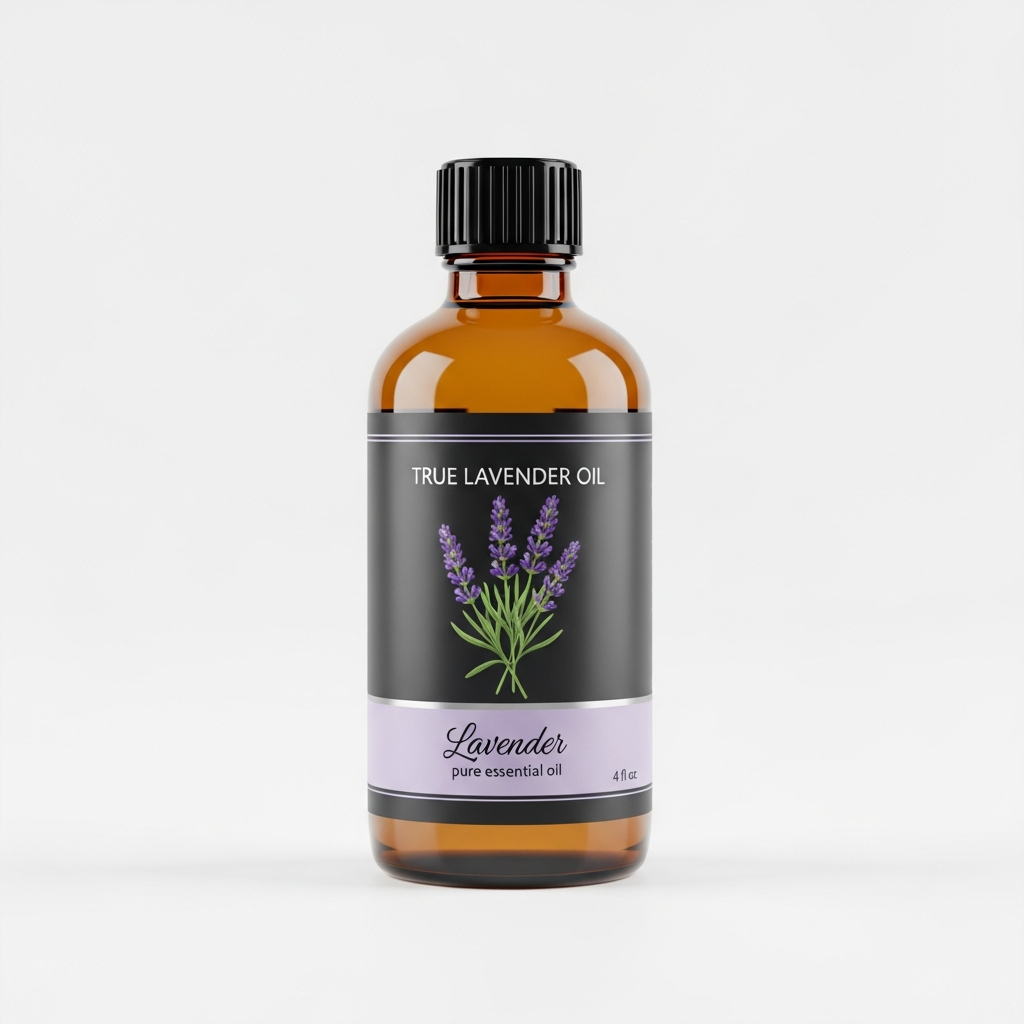
Lavender Essential Oil
Our own Lavender Essential Oil, in sizes from 0.5 oz to bulk.
From $12.99
Shop Now →Two plants share one name
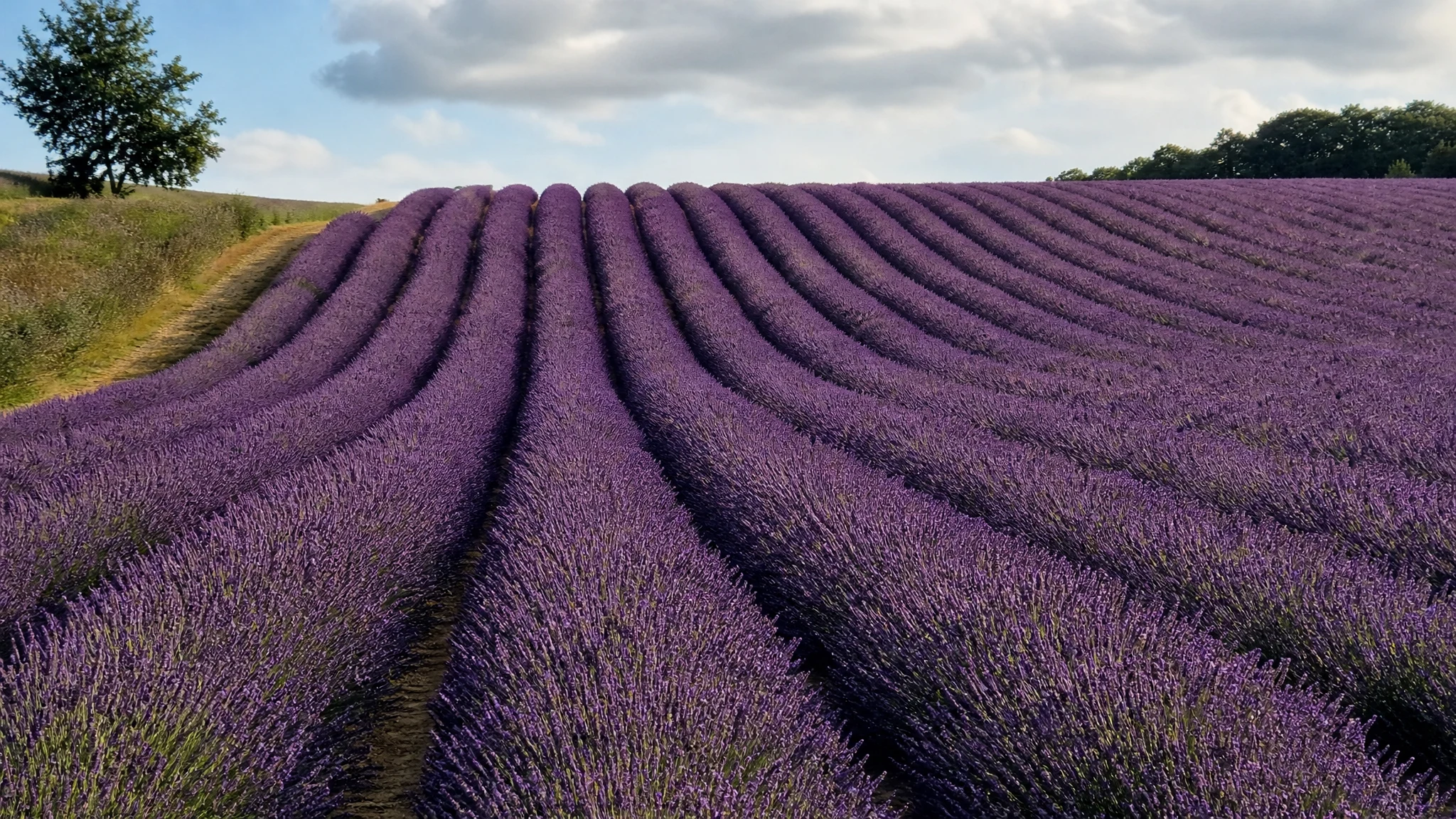
True lavender (Lavandula angustifolia) and lavandin, a sterile hybrid of true lavender and spike lavender, are both sold as lavender oil. Lavandin is the generous one. A 2023 review reports average productivity of about 120 kg of essential oil per hectare for lavandin against about 40 kg for true lavender, and says lavandin's production cost is lower as a result. A second 2023 review says true lavender oil is marketed at roughly three to five times the price of lavandin oil, because it is regarded as the higher-quality material, especially for perfumery. Both are reviews of the trade that cite other sources, and markets move, so take that ratio as a sense of scale and not a quote.
There is a scent reason for the premium as well. Lavandin carries more camphor, which gives it a sharper, more herbaceous character, while true lavender is the one used mostly in perfumery and cosmetics. Neither is a lesser oil in the abstract. They are different tools. Our post on lavender versus lavandin walks through the aroma side.
How many flowers go into a bottle
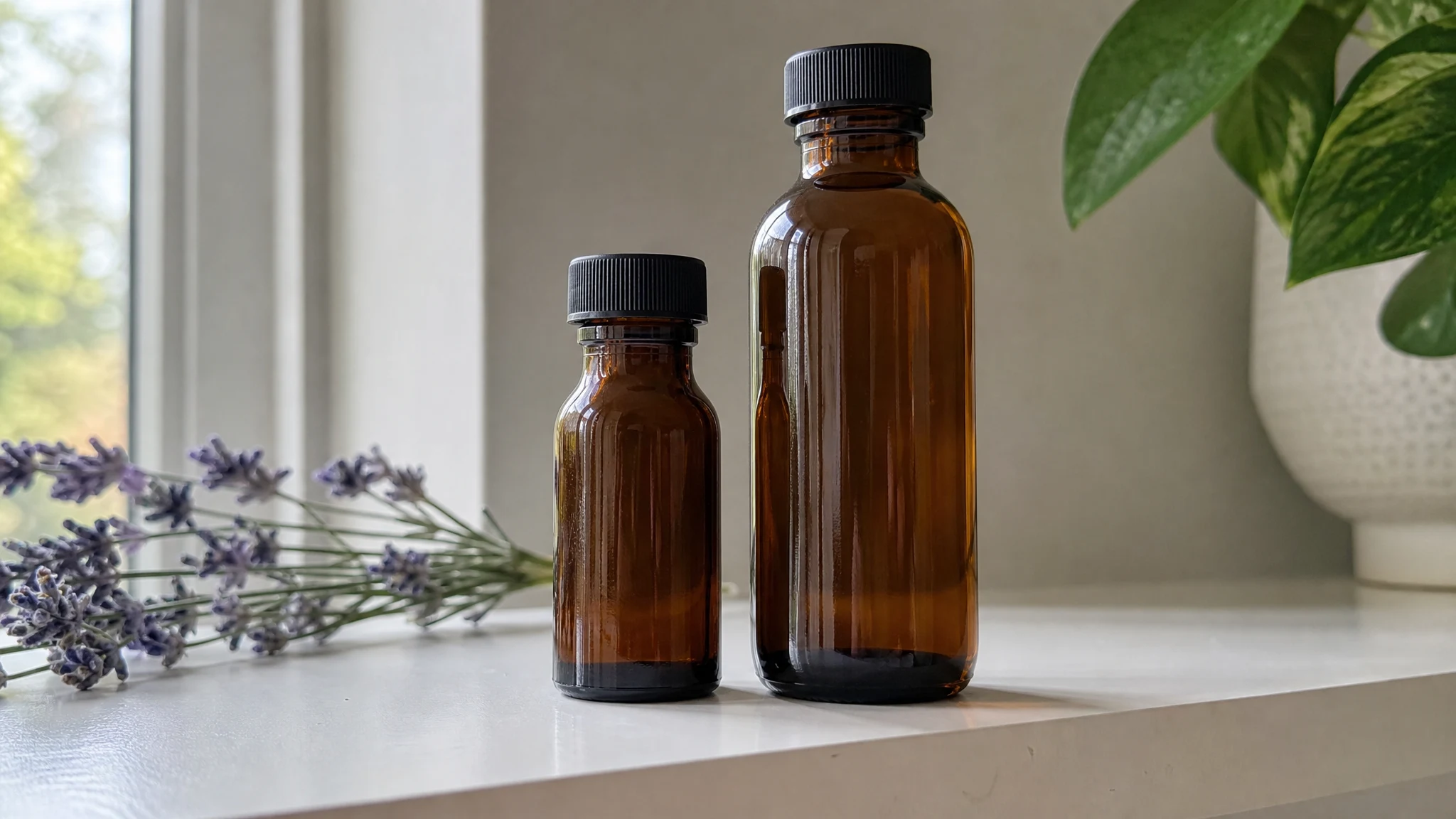
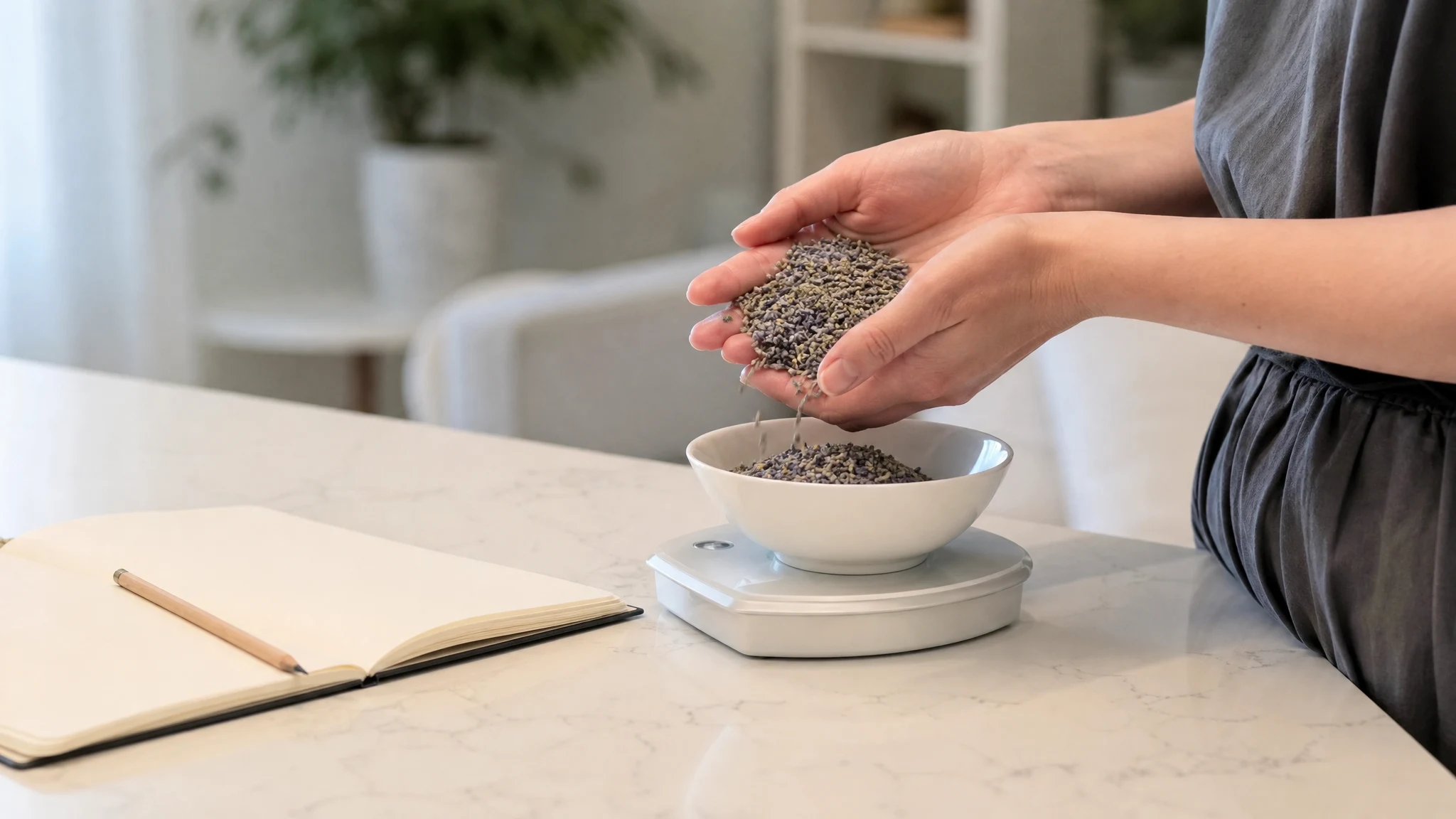
The same review tells us fresh lavender flowers hold about 0.7% to 1.4% volatile oil, and that a ton of fresh flowering material gives about 10 kg of oil on average. Do the arithmetic and it is 100 kg of flowers for 1 kg of oil. That works out to roughly 2.8 kg of fresh flowers for an ounce of oil (about 28 g), and about 45 kg for a pound. We find that a nice way to picture what is inside a small bottle.
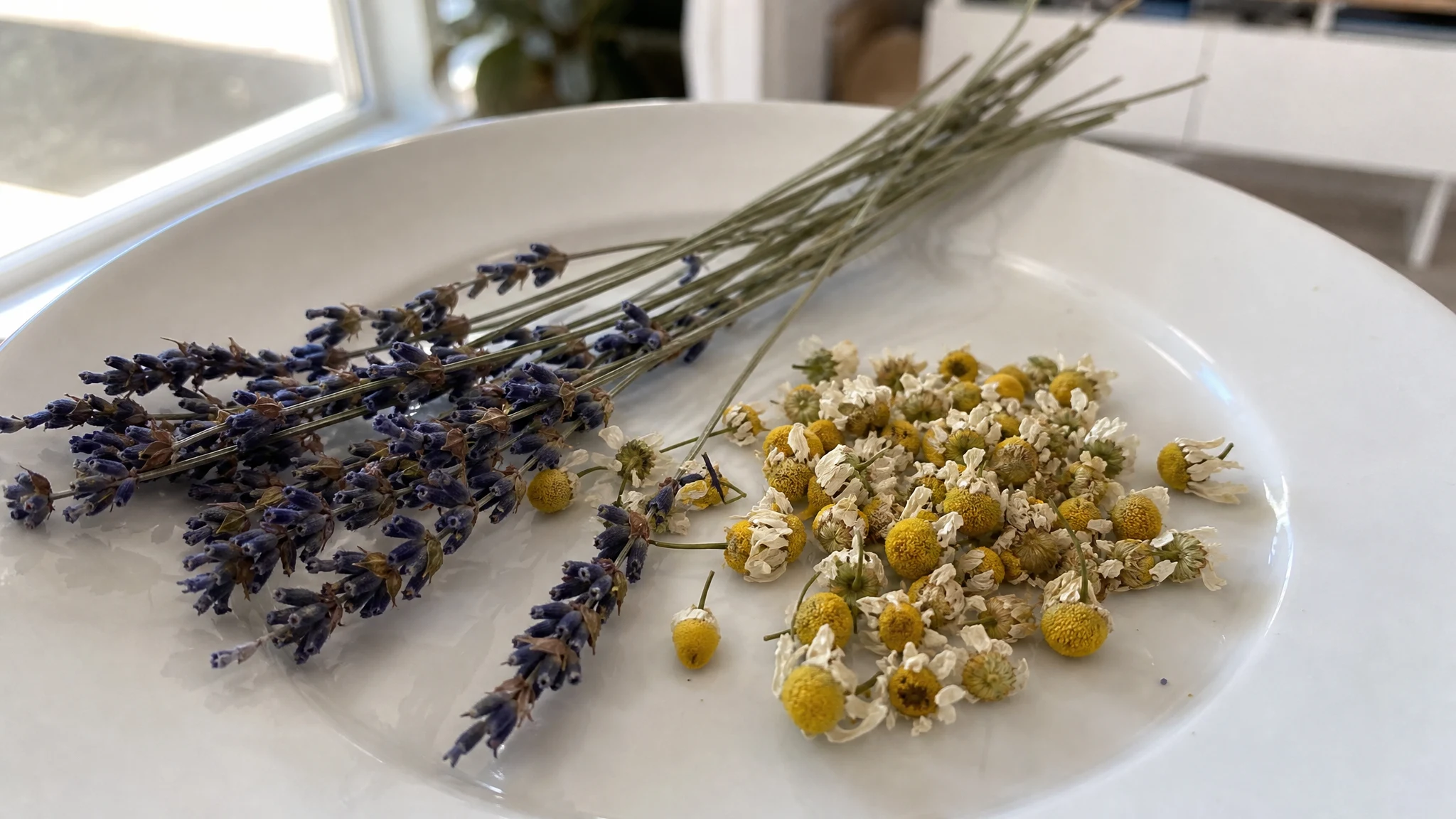
It also explains why harvest choices matter. In the same review a study found 1.3% oil from the calyx alone, 0.1% from the corolla, 0.05% from the leaf and 0.7% from the whole flowering top. More leafy material means less oil per kilogram of plant. That is a documented way two oils with the same Latin name can sit at different prices, and it is reasoning, not a statement about any particular seller.
What a very low price asks you to check
If the trade puts true lavender at several times the price of lavandin, a listing for "true lavender" at lavandin money is worth a closer look. The usual explanations in the literature are lavandin sold as lavender, dilution with a cheaper material, or synthetic linalool and linalyl acetate added to a real oil. The lavandin review says lavandin is "often used for counterfeiting true lavender oil", while the other review notes that official trade figures do not account for adulteration or for synthetic lavender on the market. A 2021 study built reference profiles from genuine lavender oil and then deliberately spiked samples with synthetic material and with sunflower oil, to see which analyses caught each one. The takeaway for a buyer is that one report does not answer every question.
The reverse holds too: a high price does not prove anything by itself. Species, harvest, paperwork, packaging and margin all feed into it. That is why we prefer to compare like with like, true lavender with true lavender and lavandin with lavandin, and to ask what documents sit behind each bottle. Our guides on buying lavender oil and reading a GC-MS report go through that step by step.
Shopping habits that help
A few simple habits make comparing bottles far less confusing:
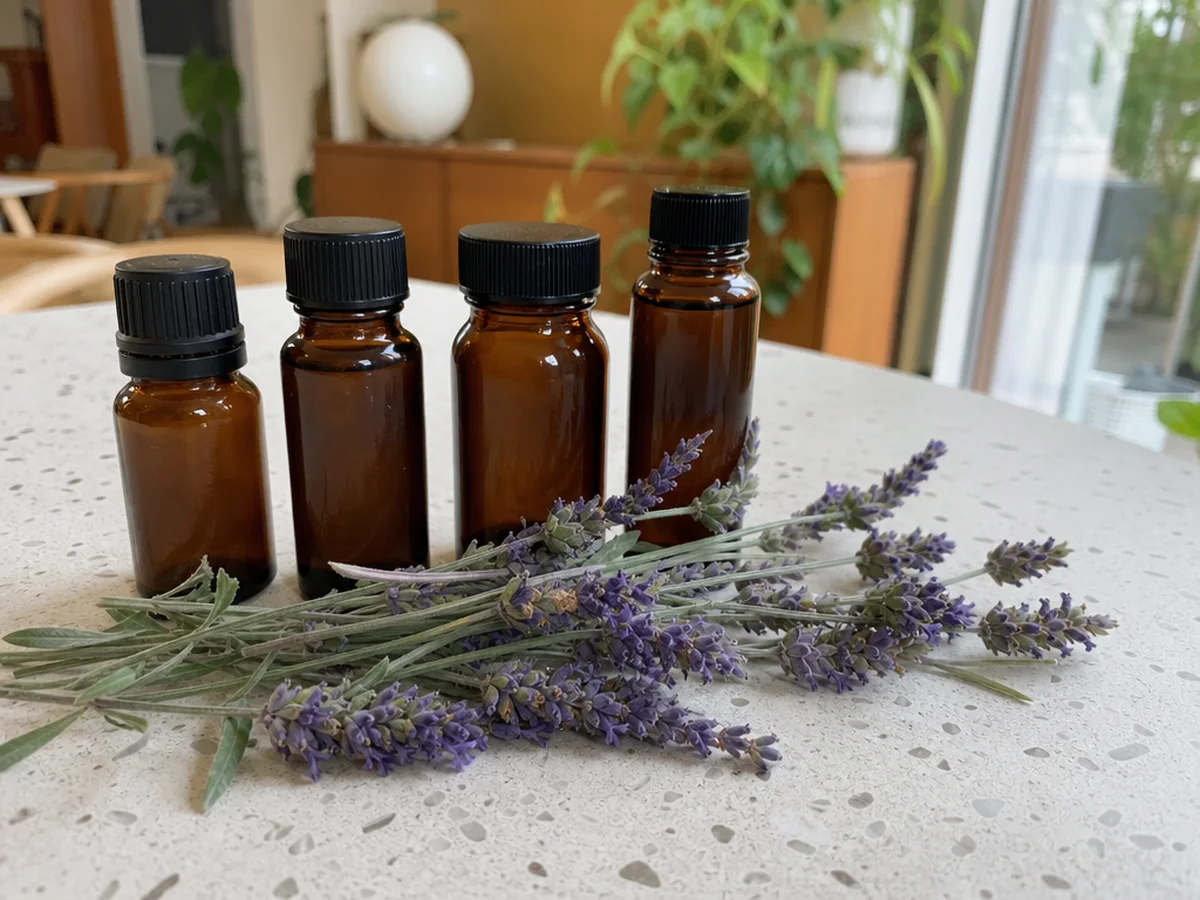
- Read the Latin name first, and set aside any bottle that does not give one.
- Compare the same species with the same species, and the same size with the same size.
- Work out a price per ounce for each bottle before you decide, so a large bottle is easier to compare with a small one.
- Look for what is written down about the batch, not only what is said about the scent.
Smell before you plan
If you can, start with a small bottle and smell it properly before you plan a project around it. A scent that is lovely in a store can feel different at home, and a bottle you will actually finish is always the better value. Jot down what you liked about it, and what you did not, so the next bottle is an easier choice.
How we handle it
We sell four lavender-family oils: Lavandula angustifolia, lavandin grosso (Lavandula hybrida), spike lavender (Lavandula latifolia) and a trade-grade 40/42 whose species our page does not state. We list each separately and do not treat them as interchangeable. The Certificate of Analysis we publish covers one batch of the angustifolia oil and lists appearance, smell, relative density and refractive index. If you need GC-MS, species confirmation or other documents for your lot, ask us in writing through the contact page before ordering and get the answer in writing. Current prices are on each product page, and we leave them off articles because they change.
The best question to ask of any bottle is not "how cheap?" but "which plant, and what can you show me?"
Lavender Essential Oil
Lavender Essential Oil from our own shop, in sizes from 0.5 oz to bulk.
From $12.99
Shop Now →Sources & Further Reading
- Crisan I et al. Current Trends for Lavender (Lavandula angustifolia Mill.) Crops and Products with Emphasis on Essential Oil Quality. Plants, 2023
- Pokajewicz K et al. Lavandula × intermedia - A Bastard Lavender or a Plant of Many Values? Part I. Biology and Chemical Composition of Lavandin. Molecules, 2023
- Capetti F et al. Adulteration of Essential Oils: A Multitask Issue for Quality Control. Three Case Studies: Lavandula angustifolia Mill., Citrus limon (L.) Osbeck and Melaleuca alternifolia (Maiden & Betche) Cheel. Molecules, 2021