Lavender Oil FAQ: Nine Answers Before You Open a Bottle
Most lavender oil questions start with the same two words: it depends. It depends on which lavender you mean, how much you use, and who is in the room. Here are the nine we would want settled before anyone opens a bottle, with straight answers and the sources behind them.
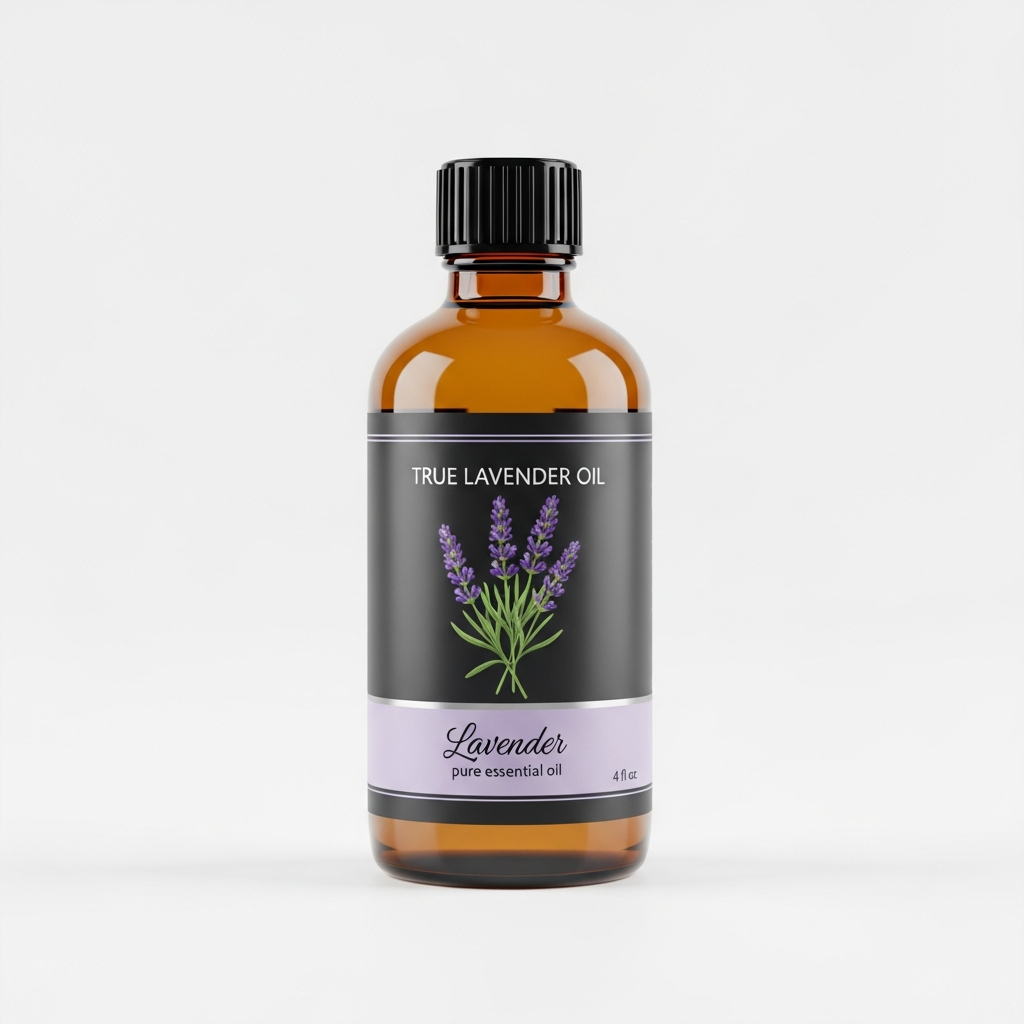
Lavender Essential Oil
Our own Lavender Essential Oil, in sizes from 0.5 oz to bulk.
From $12.99
Shop Now →Is all lavender oil the same?
No, and the word "lavender" on a label covers more than one plant. True lavender is Lavandula angustifolia. Lavandin is a hybrid of true lavender and spike lavender (L. latifolia), and it is a different oil: a review of its chemistry puts its camphor at anywhere from 2% to 33%, most often 5% to 10%, which is part of why it smells sharper. Lavandin also yields roughly three times as much oil per hectare, which helps explain the lower price and why the review notes it is often used to counterfeit true lavender oil (Pokajewicz et al., 2023). We sell four lavender-family oils: angustifolia, lavandin grosso, spike lavender and a trade grade called 40/42, whose species is not stated. They smell different, so we describe each on its own page. Our lavender and lavandin comparison walks through the scent differences.
Can I put it on my skin neat?
We say dilute it every time. Poison Control puts it plainly: because essential oils are potent, diluting them in a carrier oil is the best way to avoid a bad reaction from direct skin contact, and they should not go on damaged skin. NCCIH adds that topical products containing lavender may cause allergic skin reactions in some people.
How much should I dilute it?
Our dilution guidance is 0.5% to 2% in a carrier, which works out to roughly 3 to 12 drops per ounce. We start at the low end, and we would stay there for the face or for anyone with reactive skin. The reason is simple: lavender oils differ by species, and we do not rely on a single number as a ceiling for all of them. For a leave-on product you plan to make, check the IFRA standards for your own formulation. Patch test first, and weigh the oil rather than counting drops once you are making anything small.
Can lavender oil cause an allergic reaction?
It can. A clinic in Victoria, Australia, patch tested 2,178 people with lavender between 1993 and 2017 and 2.2% reacted, and the authors still called lavender an uncommon cause of allergic contact dermatitis (Bingham et al., 2019). Those patients were sent to the clinic because they already had skin trouble, so the figure runs higher than it would for the general public. If you ever react, a dermatologist is the person who can tell you what to avoid. Our allergy and spot-test guide covers how to test.
Does lavender oil go off?
It changes with air. When researchers exposed lavender oil to air, its main components oxidised at the same rate as the isolated compounds, forming allergenic hydroperoxides, and the air-exposed oil was more sensitising in mice (Hagvall et al., 2008). For us that means a capped bottle in a cool, dark cabinet. We list a typical shelf life of two to three years for our oils, and our storage guide shows how to keep a bottle fresh to the end.
Does it help with sleep or anxiety?
NCCIH says it is unclear whether aromatherapy with lavender oil helps anxiety, stress, sleep quality or insomnia. FDA regards claims about easing anxiety or helping you sleep as drug claims, so we make none. We sell fragrance oils for external use. If sleep or anxiety is getting in the way of daily life, a physician is the right call, and our map of the research shows what individual studies tested.
Is it safe in pregnancy?
NCCIH says little is known about whether lavender is safe during pregnancy or breastfeeding. Our disclaimer asks anyone who is pregnant, nursing or managing a medical condition to speak with a physician first, and we would say the same for any oil: a midwife, obstetrician or pharmacist is a better guide than a shop. Our pregnancy page lays out the sources.
What about cats and dogs?
Keep bottles capped and out of reach. The ASPCA lists the lavender plant as toxic to dogs, cats and horses, naming linalool and linalyl acetate among its toxic principles. Poison Control adds that essential oils should be locked up out of sight and reach of children and pets. Cats are a special case, so read our cat page, and call your veterinarian about any exposure.
Can I swallow it?
We say no. We sell these oils for external, aromatic use. NCCIH describes lavender as likely safe in the small amounts used in foods and says certain oral products have been studied, but those are not a bottle of essential oil. Poison Control describes an 18-month-old who swallowed a small amount of lavender extract used as a home fragrance and became extremely drowsy and confused. If anyone swallows essential oil, call a poison center at 1-800-222-1222 in the US. Our page on swallowing lavender oil goes into more detail.
An order that works
If you are still deciding, we would settle things in a simple order. Choose the oil first, because the four smell quite different and the description on each page is your best clue. Decide where the bottle will live second, somewhere cool, dark, capped and out of reach of children and pets. Work out your size and your dilution last, since those are easy once the first two are settled. Opening a half-ounce bottle and smelling it properly will tell you more than any amount of reading.
Anything we have not covered here, ask us in writing through the contact page, and we will tell you what we can say about the oil you have in mind.
Lavender Essential Oil
Lavender Essential Oil from our own shop, in sizes from 0.5 oz to bulk.
From $12.99
Shop Now →Sources & Further Reading
- Pokajewicz et al., 2023. Lavandula × intermedia - A Bastard Lavender or a Plant of Many Values? Part I. Biology and Chemical Composition of Lavandin. Molecules, Europe PMC
- Poison Control. Essential oils: Poisonous when misused. poison.org
- NCCIH. Lavender. nccih.nih.gov
- Bingham et al., 2019. Contact allergy and allergic contact dermatitis caused by lavender: A retrospective study from an Australian clinic. Contact Dermatitis, Europe PMC
- Hagvall et al., 2008. Lavender oil lacks natural protection against autoxidation, forming strong contact allergens on air exposure. Contact Dermatitis, Europe PMC
- FDA. Aromatherapy. fda.gov
- ASPCA. Toxic and Non-toxic Plants: Lavender. aspca.org