Does Lavender Oil Go Bad? What Oxidation Does to It
Lavender oil does not curdle or grow mould, so people assume it lasts forever. It does not. The molecules that make lavender smell like lavender react with oxygen, slowly, and the products of that reaction are not the same as what you bought. The interesting part is not that this happens but that it matters most when the oil touches skin.
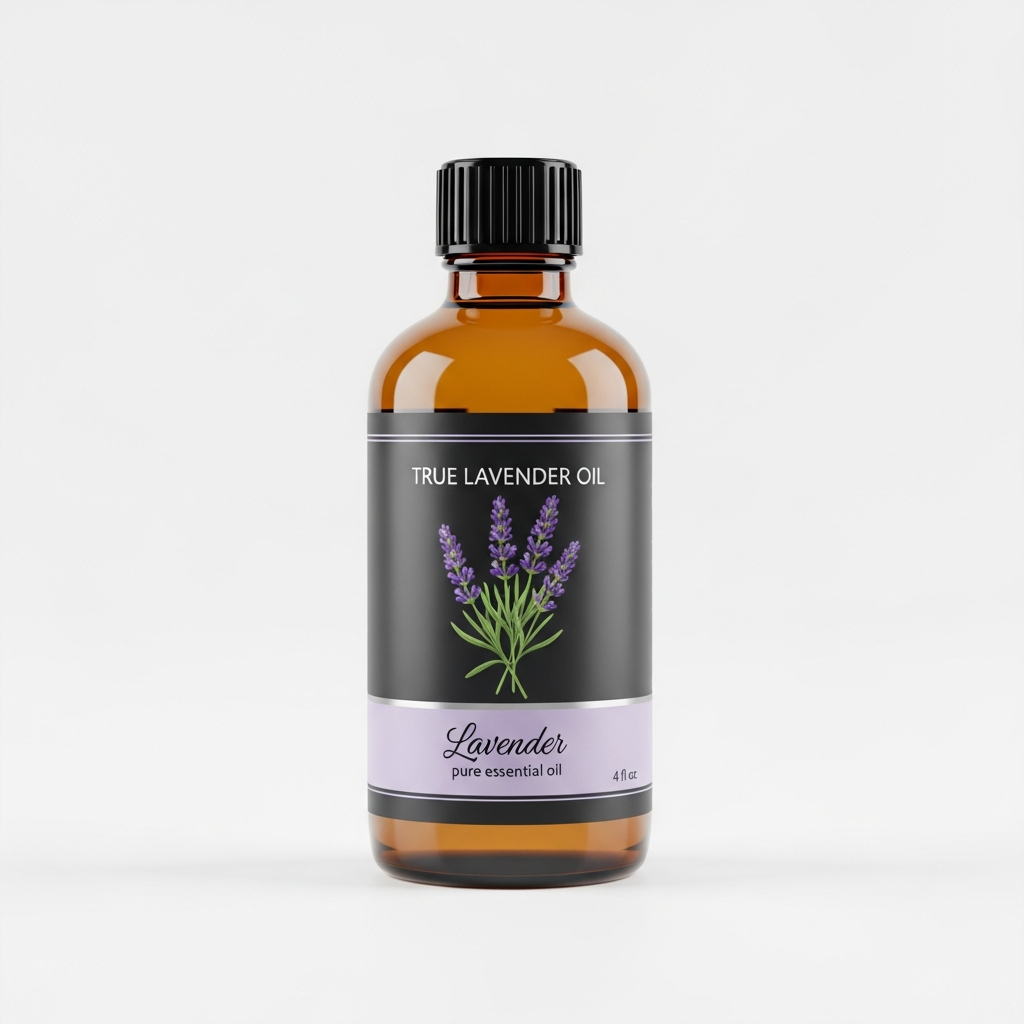
Lavender Essential Oil
Our own Lavender Essential Oil, in sizes from 0.5 oz to bulk.
From $12.99
Shop Now →What is actually changing
Two compounds do most of the work in the lavender we are talking about, Lavandula angustifolia: linalool and linalyl acetate. In the Ph. Eur. ranges, linalool runs about 20 to 45 percent and linalyl acetate about 25 to 47 percent. Both are prone to autoxidation, which just means they react with oxygen in the air without any help. A Swedish team exposed linalyl acetate to air and measured it: the amount of linalyl acetate fell over time and hydroperoxides, an epoxide and an alcohol appeared in its place (Sköld, Hagvall and Karlberg, 2008). The same group found that lavender oil lacks natural protection against this, so it proceeds on air exposure (Hagvall and colleagues, 2008).
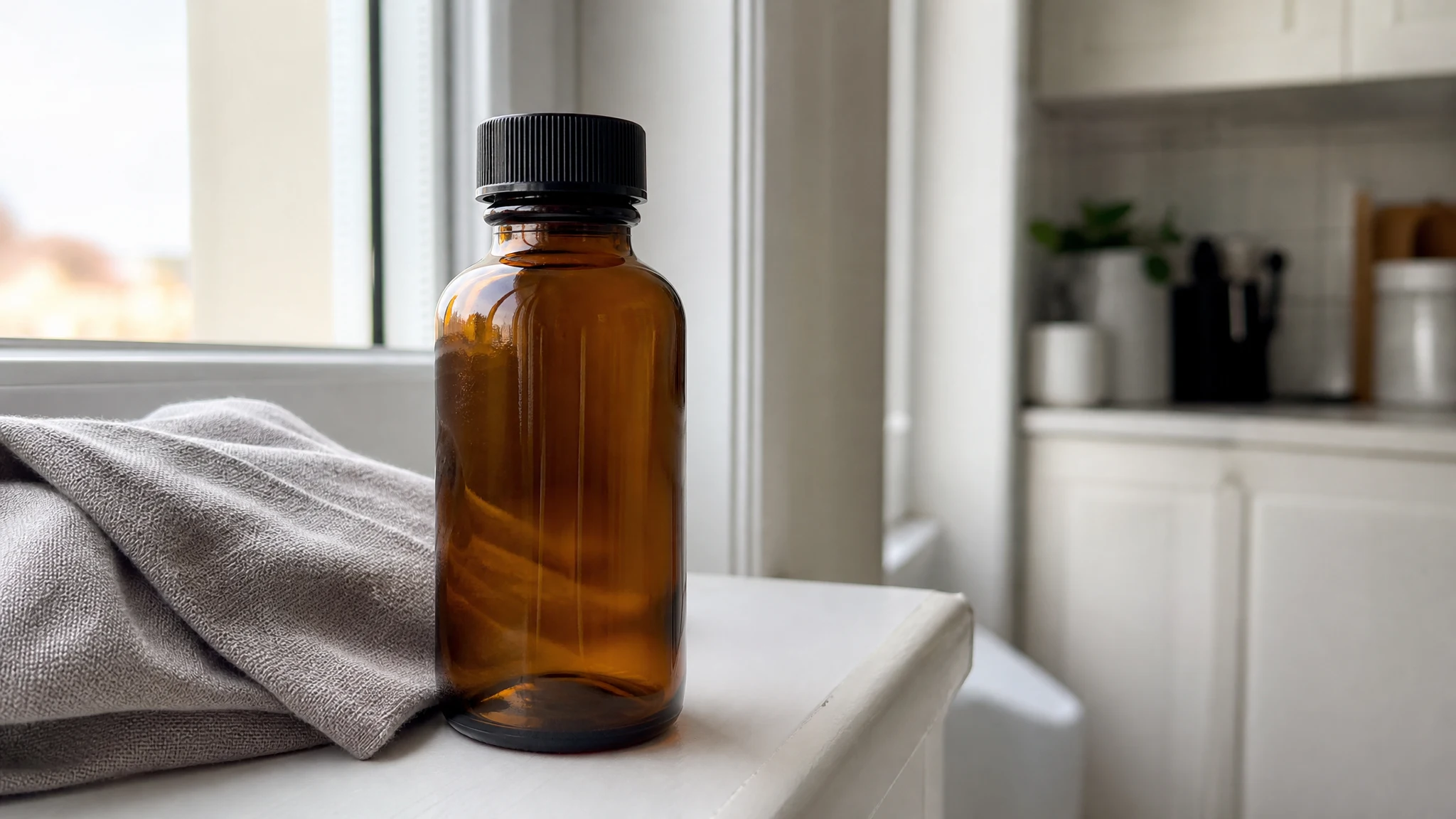
Light, heat and the air trapped above the liquid all speed the process. That is why every storage rule, including ours, comes down to three things: cool, dark and tightly capped.
Why skin is the point
High-purity linalyl acetate was a weak sensitiser in a mouse assay, with an EC3 of 25 percent. After ten weeks of air oxidation the same material gave an EC3 of 3.6 percent, which is a far stronger sensitiser (Sköld and colleagues, 2008). Linalool tells a matching story: in 2,900 dermatitis patients tested in six countries, 6.9 percent reacted to air-oxidised linalool, with a range of 3 to 13 percent between centres (Bråred Christensson and colleagues, 2012). Those are patch-test populations, not everyone who owns a bottle, so read them as a reason for care, not alarm. But they explain the practical rule: an old oil is a bigger skin question than an old oil is a smell question.
How to judge your bottle
For all four of our lavender-family oils we say they are typically stable two to three years unopened, stored in a cool, dark cabinet. After opening, the clock runs faster, because every opening swaps some of the oil's protection for fresh oxygen. What follows is reasoning from the chemistry, not a lab test you can do at the kitchen table.
- Nose. Because the composition shifts, the scent is the first instrument. A flat, sharper or slightly sour note against what the bottle smelled like at the start is the clearest sign.
- Look and feel. Cloudiness, a thicker pour or a sticky rim around the cap mean the oil has changed. Do not wait for those if the nose has already told you.
- Date. Write the day you open the bottle on a piece of tape.
What to do with an old bottle
Retire it from anything that stays on skin: massage oil, face oil, body butter, roll-ons. Where oxidised material matters less, such as a drawer scent or a cleaning spray you rinse off, an older bottle can finish its life, though if the smell is off you will not enjoy it either. If you have already put a doubtful oil on skin and it reddens or itches, wash it off and ask a pharmacist or physician. Our patch test routine is worth following for any bottle you have not used for a year.
Slowing it down
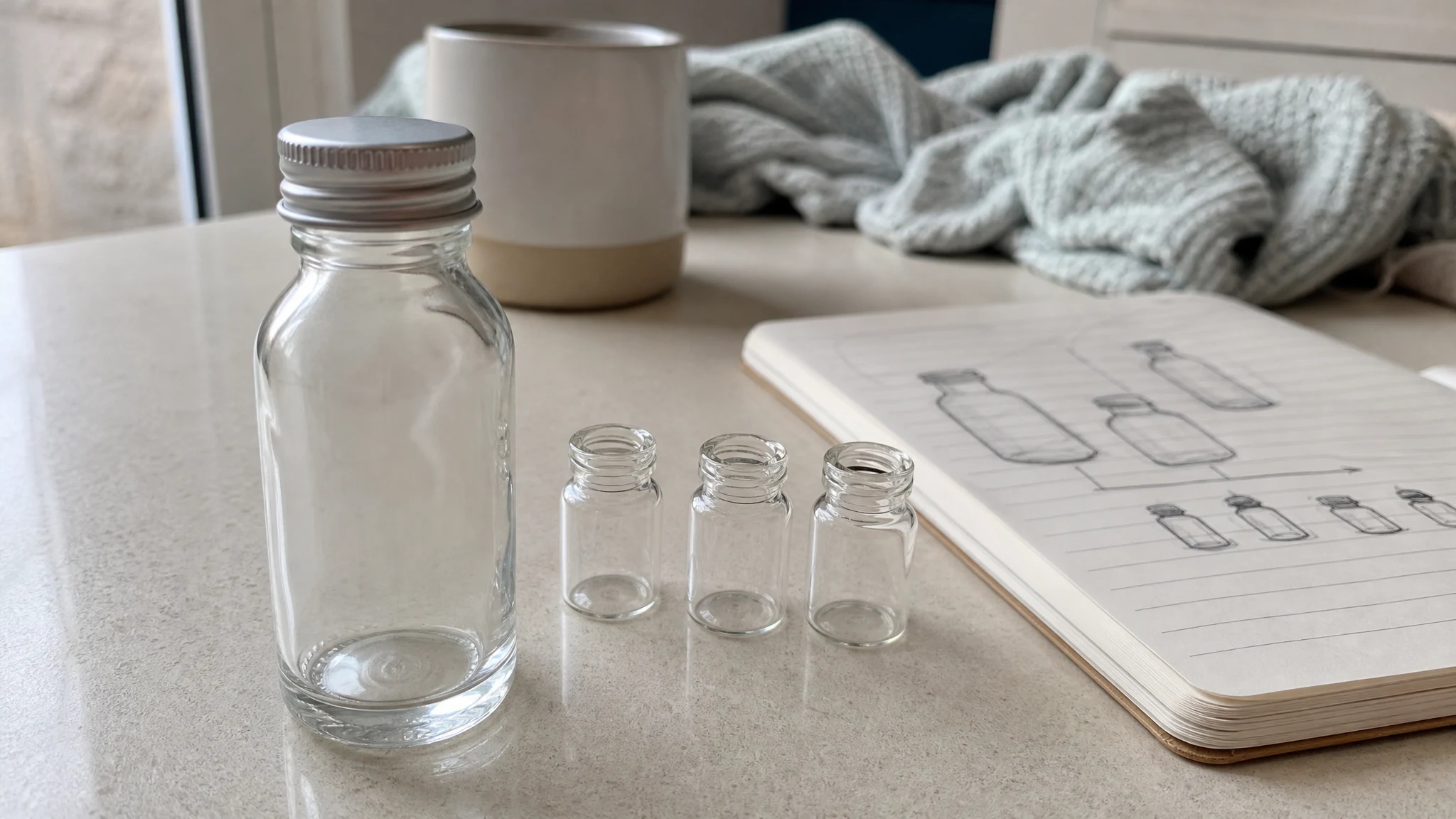
The habits are in our guide to storing lavender oil. In short: keep the cap tight, store it away from the stove and windowsill, and buy a size you will finish. For bulk sizes we suggest one more habit: keep the sealed original container and decant only what you will use soon into a smaller airtight glass bottle, so the big one is not reopened every week. Our FAQ covers the rest.
Lavender is a plant oil, and plant oils age. Treat the date on the tape as seriously as the scent, and the bottle will serve you well for its whole shelf life.
Lavender Essential Oil
Lavender Essential Oil from our own shop, in sizes from 0.5 oz to bulk.
From $12.99
Shop Now →Sources & Further Reading
- Autoxidation of linalyl acetate, the main component of lavender oil, creates potent contact allergens. Sköld M, Hagvall L, Karlberg AT. Contact Dermatitis, 2008.
- Lavender oil lacks natural protection against autoxidation, forming strong contact allergens on air exposure. Hagvall L, Sköld M, Bråred-Christensson J, Börje A, Karlberg AT. Contact Dermatitis, 2008.
- Air-oxidized linalool: a frequent cause of fragrance contact allergy. Bråred Christensson J, Andersen KE, Bruze M, and colleagues. Contact Dermatitis, 2012.
- Current Trends for Lavender (Lavandula angustifolia Mill.) Crops and Products with Emphasis on Essential Oil Quality. Crișan I, Ona A, Vârban D, and colleagues. Plants, 2023.