Does Lavender Oil Stain? Getting It Out of Fabric
You tipped the bottle a little too far and a drop landed on your favourite tee. Before panic sets in, know what you are dealing with: lavender oil is an oil, so on fabric it behaves like any other thin grease. It darkens the weave where it lands and it will not lift with water alone. The good news is that grease is a well-understood problem with a well-understood order of attack.
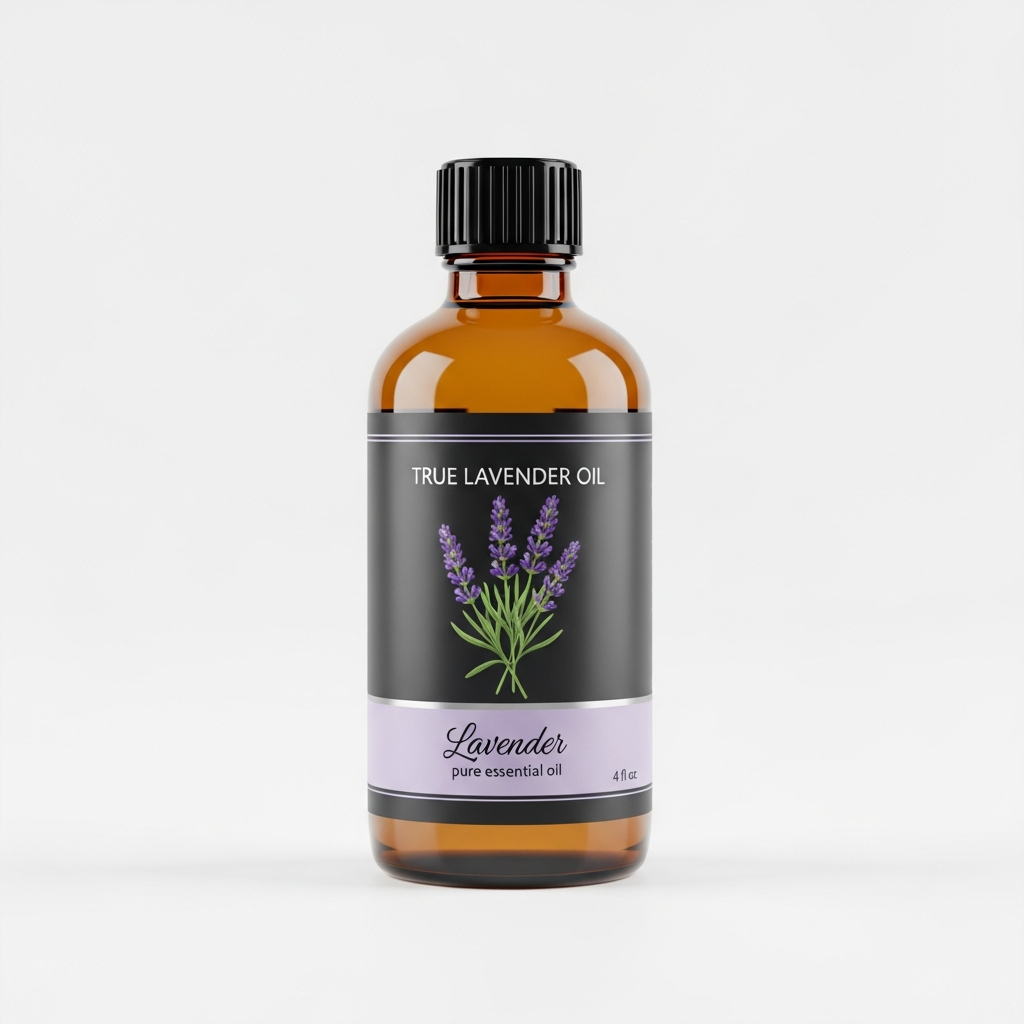
Lavender Essential Oil
Our own Lavender Essential Oil, in sizes from 0.5 oz to bulk.
From $12.99
Shop Now →What kind of mark it leaves
Essential oils are oils, so expect a translucent, greasy patch that looks darker while it is wet. We describe the Lavandula angustifolia oil as a clear to pale yellow liquid, sometimes with a faint greenish tint, so there is little colour to leave behind. Do not read that as a promise, though. We will not tell you any bottle "will not stain", and a mark left to dry for weeks can look different from a fresh one. Fresh is always easier.
Fabric first: the order that works
The University of Georgia's textile extension has a stain guide for oil-based foods, and the method it gives for butter and margarine is the right template for any thin oil. Its steps: treat with a pre-wash spot remover, or rub detergent into the dampened stain; launder with plenty of detergent in the warmest water the fabric allows; if the stain persists, sponge it with a fabric-safe dry-cleaning solvent and rinse. Its first rule is the one to follow before everything else: always read the care label.
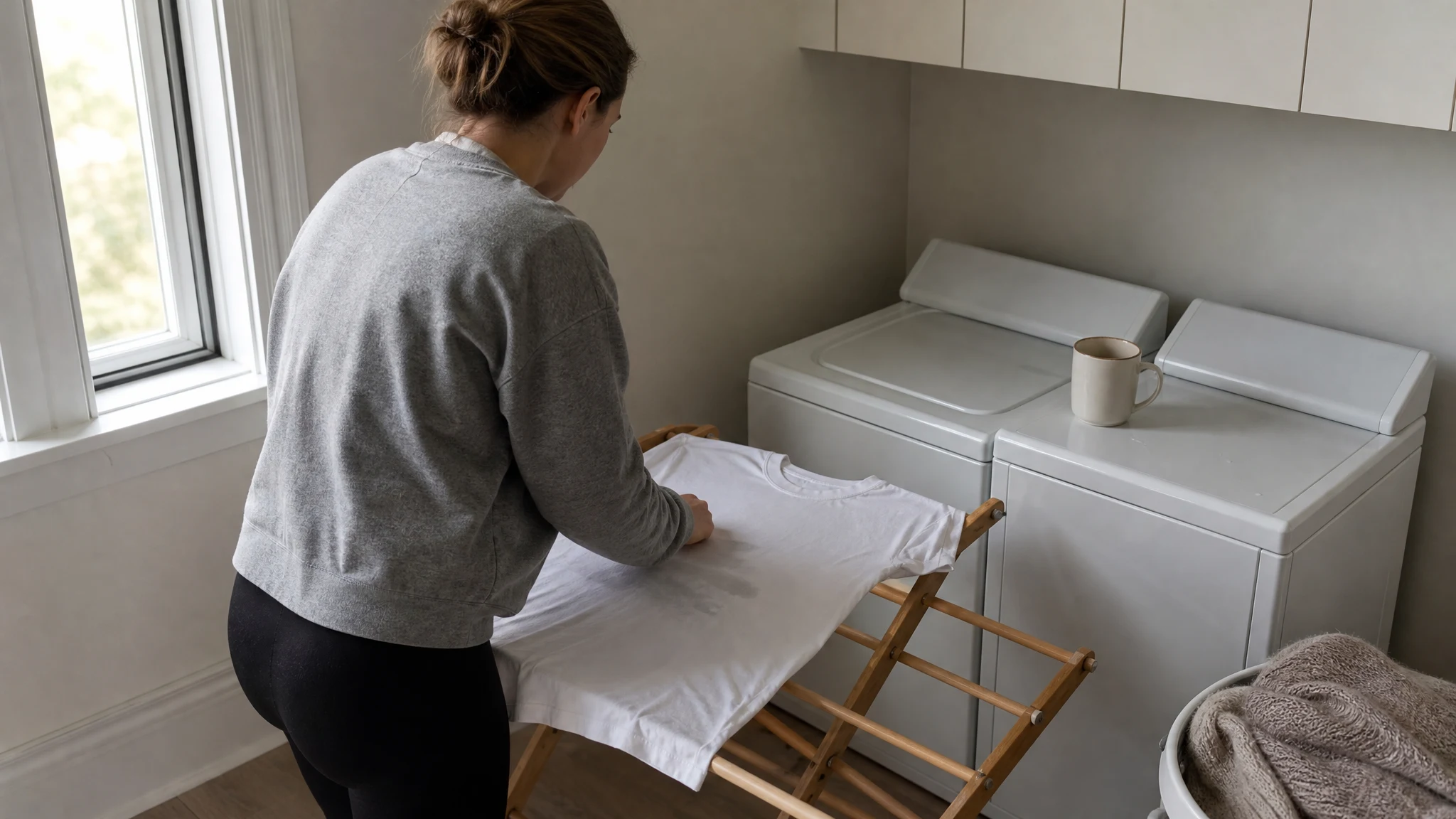
- Blot, do not rub. Press a clean cloth or paper towel on the spot to lift what is still sitting on the surface. Rubbing spreads the oil into a wider ring.
- Absorb. A dry powder such as cornflour or baking soda, left on the mark for a while and brushed off, takes up more oil. This step is our reasoning from how oil behaves, not from the Georgia guide, which uses blotting and absorbent pads.
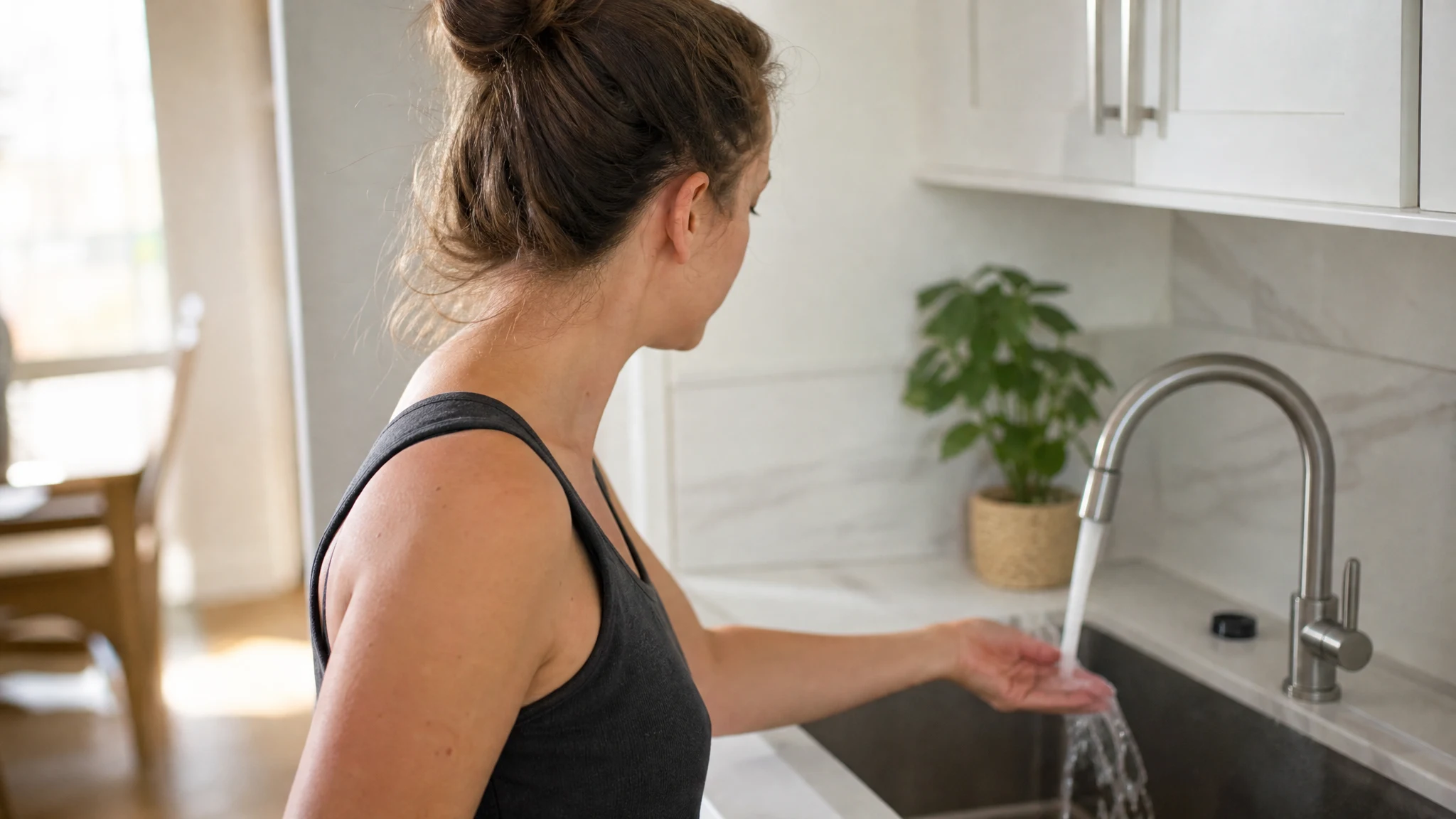
- Work in detergent. Wet the stain slightly and rub a little dish or laundry detergent into it. Detergent is a surfactant, which is the ingredient that grips oil and lets water carry it away.
- Wash. Use the warmest water the care label allows.
- Check before the dryer. Hold the wet fabric up to the light. If a dark patch remains, repeat the detergent step and wash again. Air-dry in the meantime: you can wash a garment twice, but you cannot undo heat once it has set a stain.
Surfaces and furnishings
On sealed wood, tile or a glazed countertop, wipe the oil up with a dry cloth, then a damp one with a drop of dish soap, then buff dry. Unsealed or oiled wood, stone and unfinished leather drink oil in quickly, so blot at once and test any cleaner on a hidden corner. For a carpet or sofa, blot, apply absorbent powder, vacuum it up and treat with a gentle detergent solution on a cloth rather than pouring liquid on.
When to stop and call someone
Silk, wool, leather, suede, velvet and anything marked dry-clean-only should go to a professional cleaner. Take the garment in dry, tell them it is an essential oil, and do not wash it first. The same goes for upholstery you cannot spot test and for any heirloom: a cleaner's solvent is a different tool from the kitchen sink, and fabric that is already damaged does not come back.
How to avoid it next time
Pour over a tray or an old towel, not over the bedding you meant to scent. Keep the cap tight, since a leaking bottle in a bag is the usual way a stain arrives. If you scent linens, read our linen spray guide and pillow mist guide, which handle the oil-and-water problem properly, and our cleaning spray guide if the mess was on a counter. For everyday handling, our home uses overview has the rest.
A spill is annoying but rarely final. Blot it, lift it, wash it, and let the light tell you whether it is gone before the dryer does.
Lavender Essential Oil
Lavender Essential Oil from our own shop, in sizes from 0.5 oz to bulk.
From $12.99
Shop Now →Sources & Further Reading
- Remove Stains From Oil-Based Foods | Textiles. University of Georgia Extension.