Lavender Oil at Home: Easy Everyday Uses
Open a drawer where a lavender sachet has lived for a season and you will meet the best argument for this oil: a soft, floral scent that clings to cloth and makes ordinary places smell cared for. Most of what we do with lavender at home is about exactly that, scent, with a few sensible habits around it. Here are the everyday uses we would start with and the way we would approach each one.
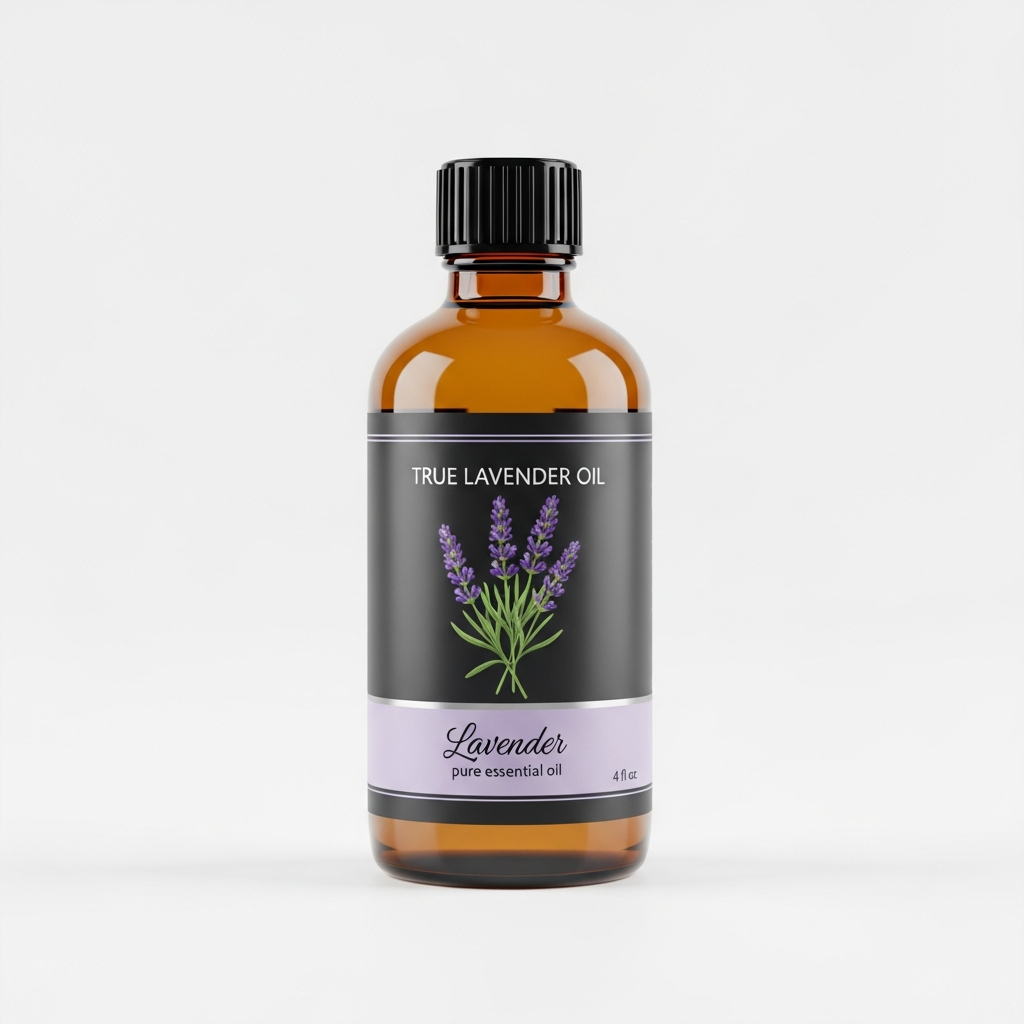
Lavender Essential Oil
Our own Lavender Essential Oil, in sizes from 0.5 oz to bulk.
From $12.99
Shop Now →Scent for rooms, drawers and fabric
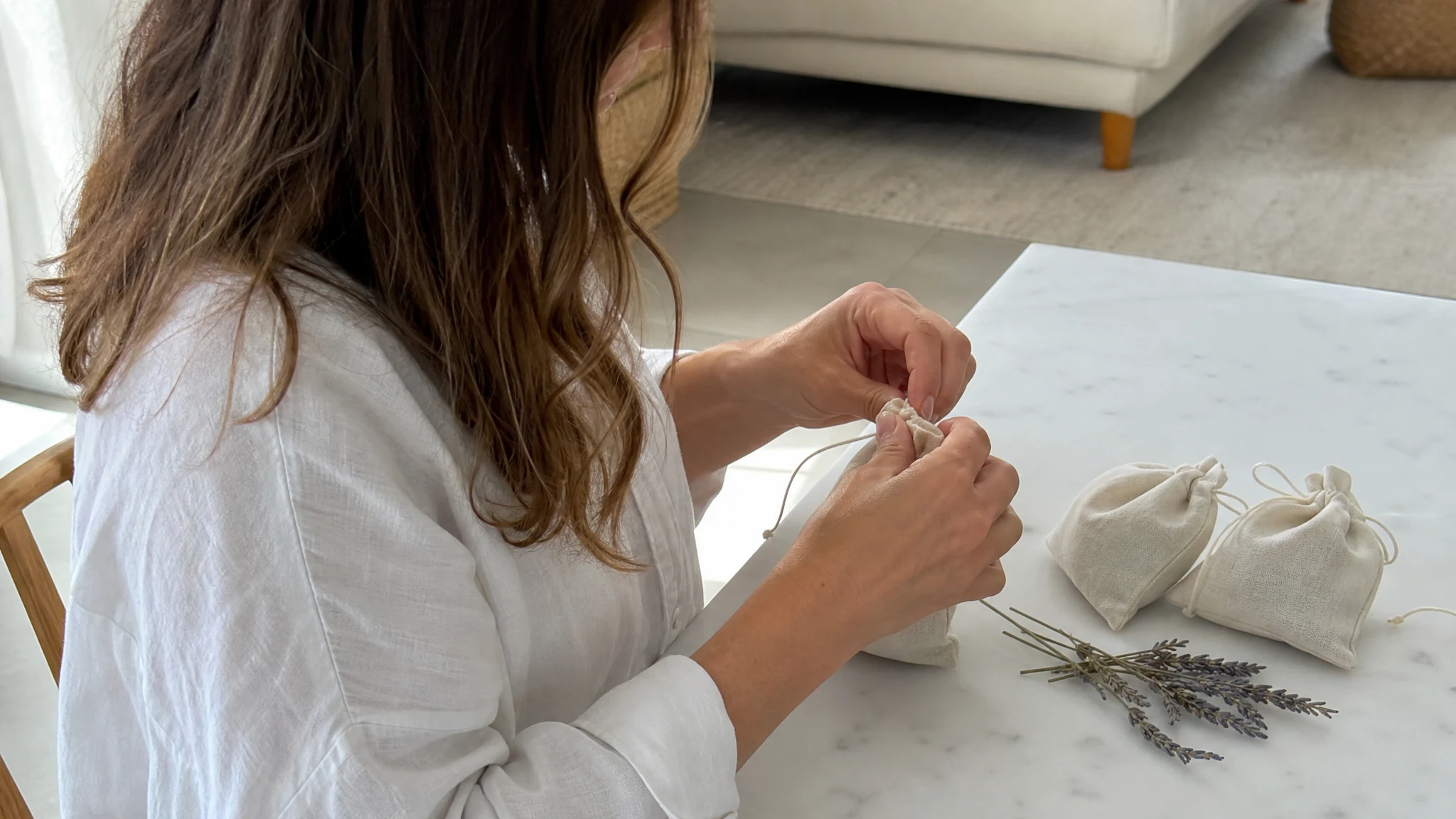
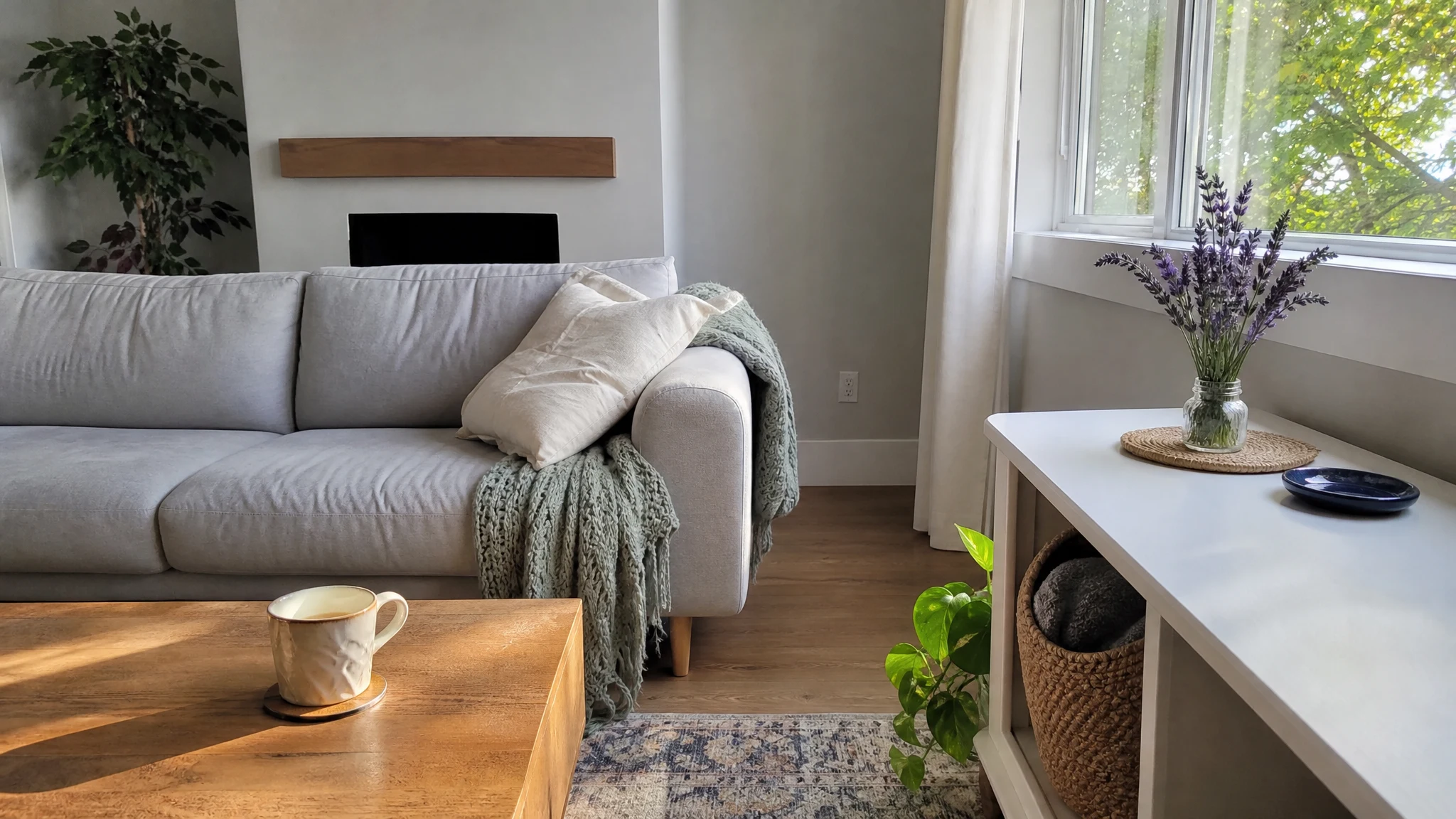
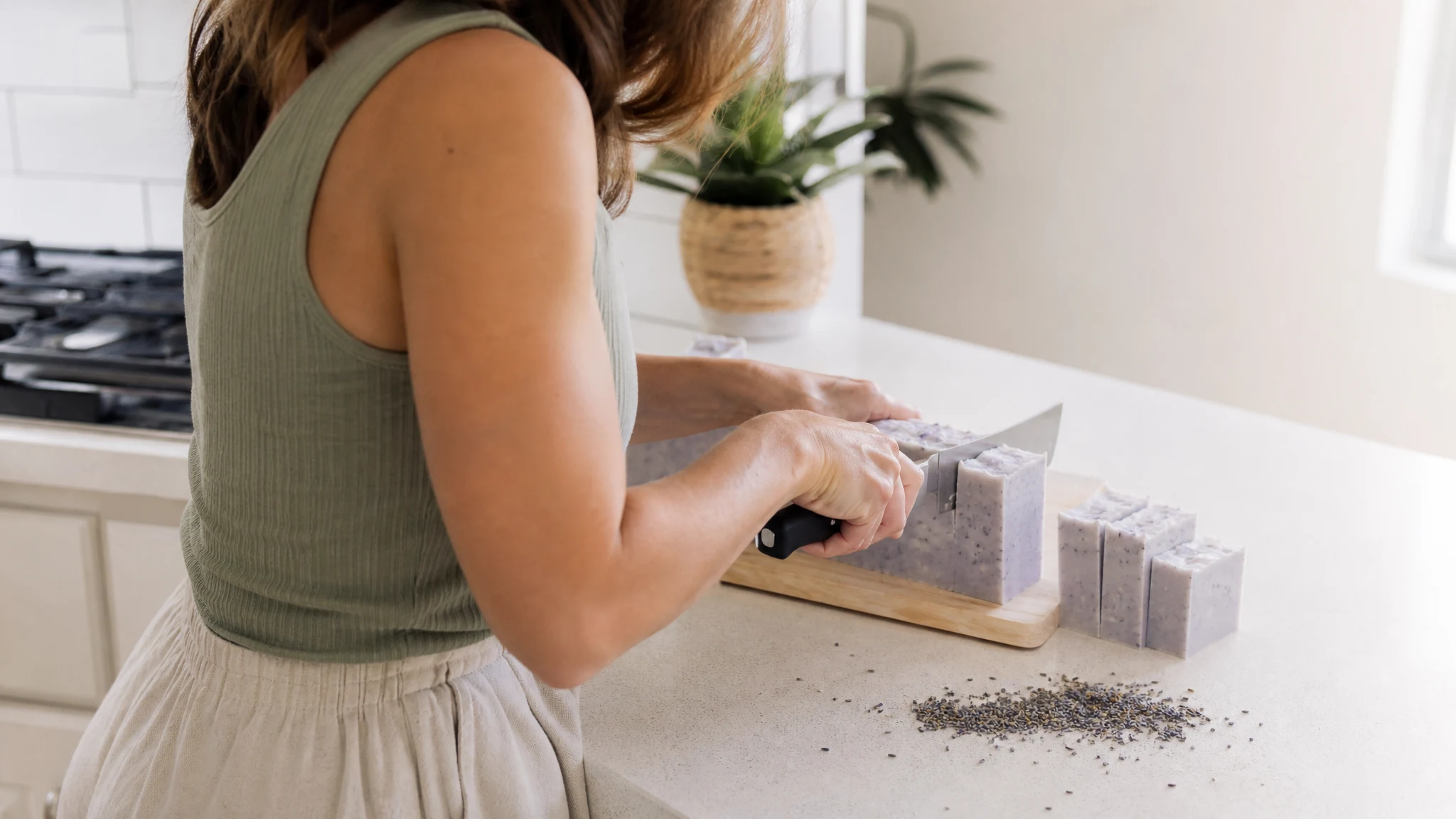
This is lavender's home turf, because it needs no claim beyond smelling lovely. A few drops on a cotton ball tucked into a closed drawer or cupboard, a short session in a diffuser, or a linen spray you mix yourself all do the job. We sell the oil only, so the spray bottle, the water and any solubiliser come from a craft or supply shop; our cleaning post covers scented cleaners.
Two habits help. First, keep the oil fresh. Lavender oil's main components oxidise in air at the same rate as the pure compounds, and air-exposed oil became more sensitising in a laboratory study (Hagvall et al., 2008). So we keep bottles tightly capped, cool and dark, and we prefer putting scent on things that are not pressed against skin all night. Second, treat a diffuser as a short-session tool. A chamber study found that ultrasonic diffusers can add to indoor particles depending on the oil and water used, which is why we suggest a timer and fresh air, as we explain in our diffuser post. Before scenting fabric, try a hidden corner first.
Start by smelling it properly
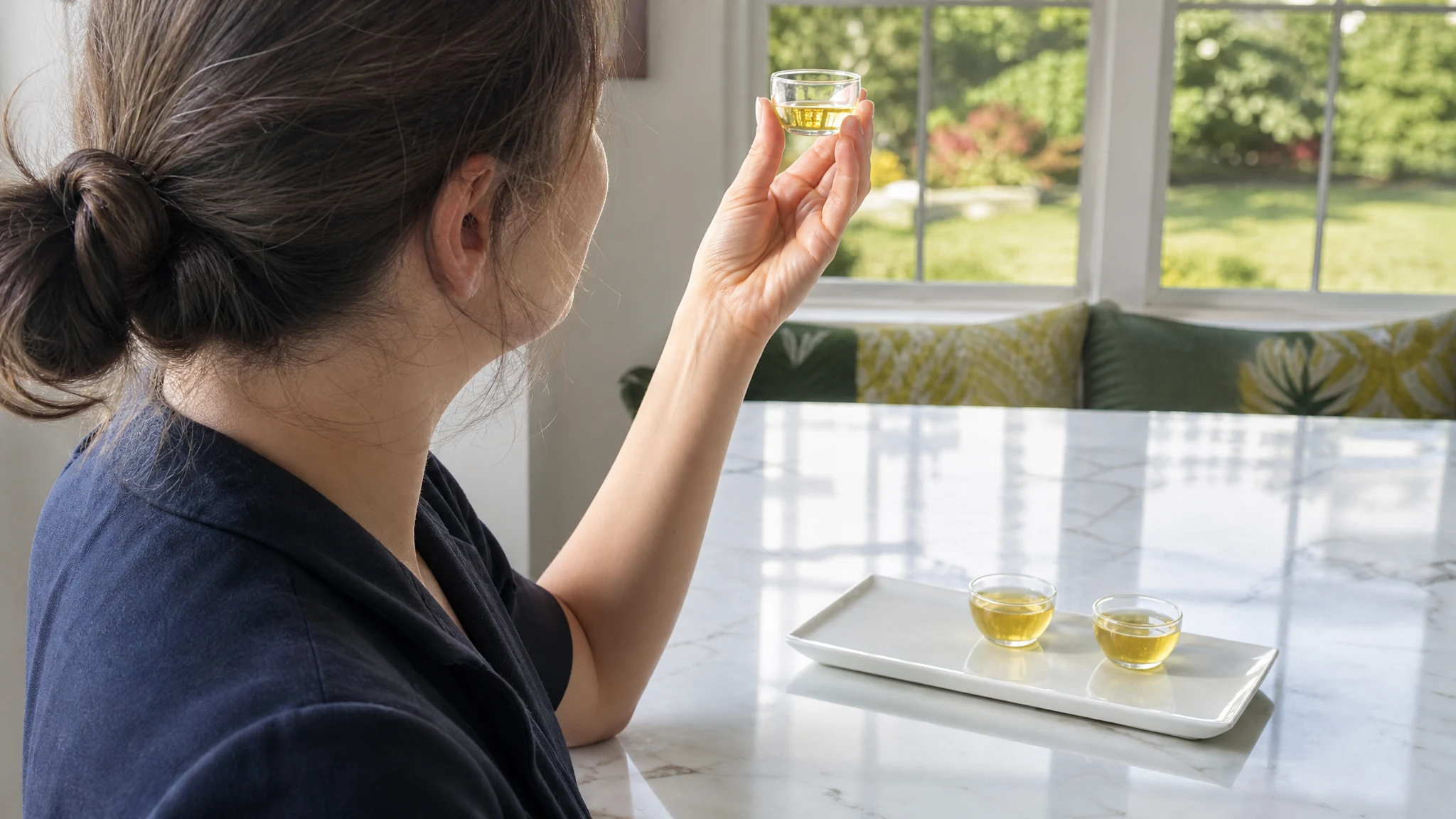
Before you plan any project, open the bottle and hold it a hand's width below your nose. Breathe in slowly, then set it down and come back to it a minute later. You will notice that the first sniff and the second are not quite the same, and that a scent you thought was strong smells softer once your nose has settled. That small pause tells you how much oil a room or a drawer really needs, which is usually less than the recipe cards suggest.
A few easy corners to scent
Think in small spaces first. A cotton ball with a drop or two, tucked into the corner of a linen closet shelf, scents the whole shelf without touching the sheets. A folded cloth with a drop on it can sit in a shoe cupboard or a coat closet. A wool dryer ball or a scrap of cotton in the laundry room does the same job there. Put the oil on something you can lift out again, so you can move it or take it away when you want a change.
Give each spot a few days before you add more. Scent builds in a closed cupboard faster than in an open room, and it is easy to overdo it in a small space. If you have an old sachet that has lost its smell, a single drop on the fabric, away from skin, is often all it asks for.
On skin, with a carrier
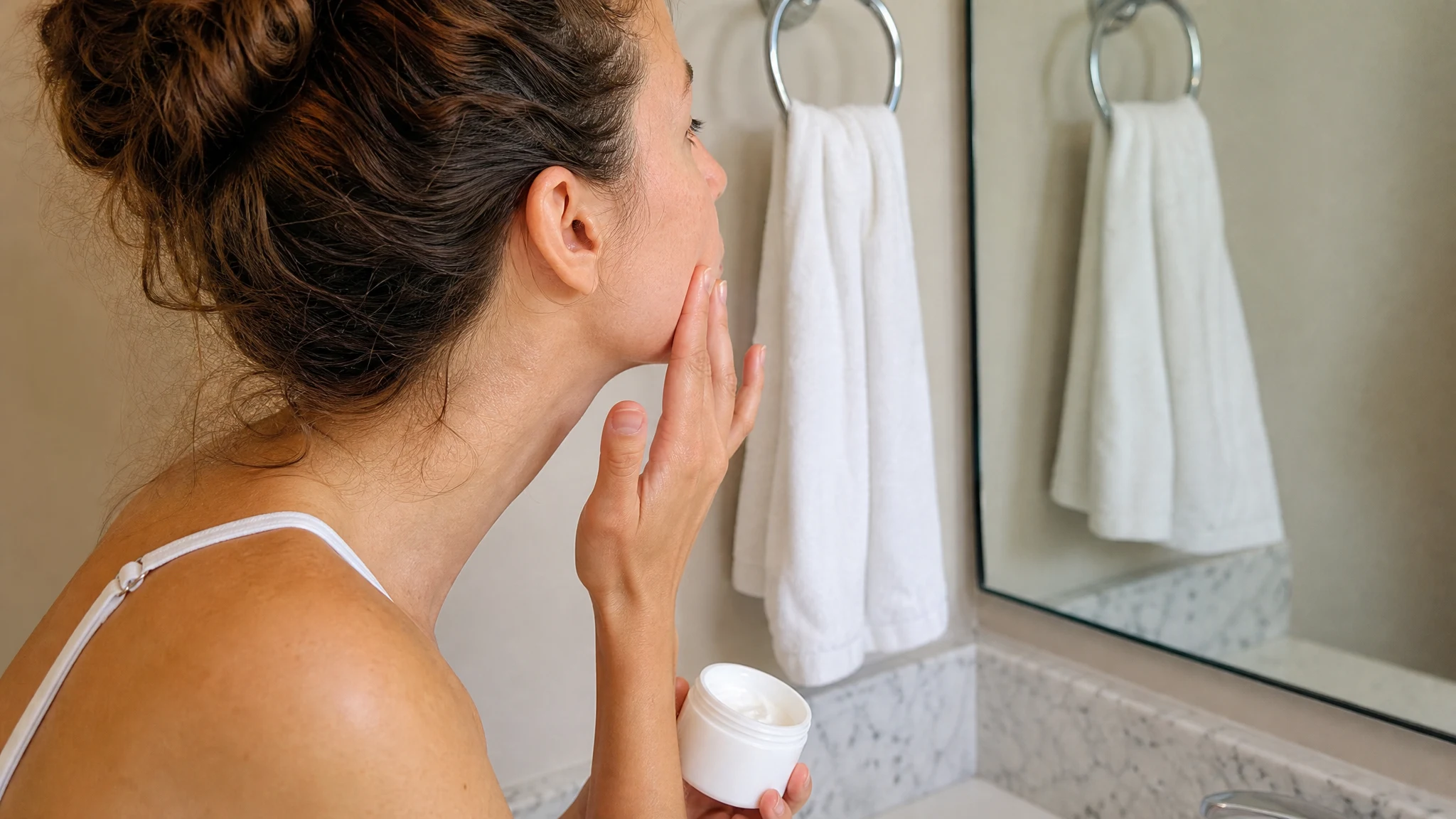
Our oils are sold neat, so anything that touches skin starts with a carrier oil such as sweet almond, grapeseed, fractionated coconut or jojoba, all of which you will find at a craft shop or pharmacy. Our dilution guidance is 0.5% to 2%, which is roughly 3 to 12 drops per ounce of carrier depending on drop size, with a patch test first. Published guidance suggests starting at the lower end: the Tisserand Institute gives 0.2% to 1% for reactive or impaired skin, 0.5% to 1.2% for facial products and 1% to 3% for body oils. For that reason we start at 0.5% to 1%, and at 0.5% for the face. Whatever your own formula, check current IFRA standards, because limits differ by species and by product type.
The patch test is not just ritual. The National Center for Complementary and Integrative Health notes that topical products containing lavender may cause allergic skin reactions in some people, and an Australian clinic found a positive patch test to lavender in 2.2% of 2,178 patients it tested for dermatitis. Our guides on direct application and the patch test show how, and our dilution post has the arithmetic. If you are pregnant, nursing or managing a medical condition, speak with your physician before using essential oils.
Which of our four oils for which job
We sell four lavender-family oils. Our angustifolia oil is soft, floral and gently herbaceous with a clean, sweet finish, which suits linen sprays, soap and body oil. Lavandin grosso is fresher and more herbaceous with a camphor-tinged lift, a natural fit for larger spaces and cleaning. Spike lavender is sharp and camphoraceous with a green edge, and our 40/42 is sold as a trade grade that smells smooth and sweet; ask us through the contact page if species matters to your project. They are different scents, not ranked versions of one oil.
What we would leave off the list
A tidy list of 25 uses often slips in jobs that carry medical promises: sleep, stress, headaches, bites, burns. The National Center for Complementary and Integrative Health says it is unclear whether lavender aromatherapy benefits anxiety, stress or sleep, and FDA treats claims to help you sleep as drug claims. We sell cosmetic, external oils and keep our own list to scent and diluted body use. Lavender oil is not meant for swallowing, and it should stay away from eyes, children and pets; our post on cats explain why animals deserve extra care.
Lavender rewards a light hand: one good scent, used well, beats a dozen uses done carelessly.
Lavender Essential Oil
Lavender Essential Oil from our own shop, in sizes from 0.5 oz to bulk.
From $12.99
Shop Now →Sources & Further Reading
- Hagvall L et al. Lavender oil lacks natural protection against autoxidation, forming strong contact allergens on air exposure. Contact Dermatitis, 2008
- Schwartz-Narbonne H et al. Volatile organic compound and particulate matter emissions from an ultrasonic essential oil diffuser. Indoor Air, 2021
- Dilution for essential oils, Tisserand Institute
- Lavender: Usefulness and Safety, NCCIH
- Bingham LJ et al. Contact allergy and allergic contact dermatitis caused by lavender: A retrospective study from an Australian clinic. Contact Dermatitis, 2019
- Aromatherapy, FDA