What to Blend With Lavender Oil: Echoes and Contrasts
Most lavender blend lists are sorted by room or season. We find it more useful to sort partners by what they do to lavender: some echo it, some sharpen it, and some give it a different personality altogether. Once you see the pattern, choosing a partner stops feeling like guesswork.
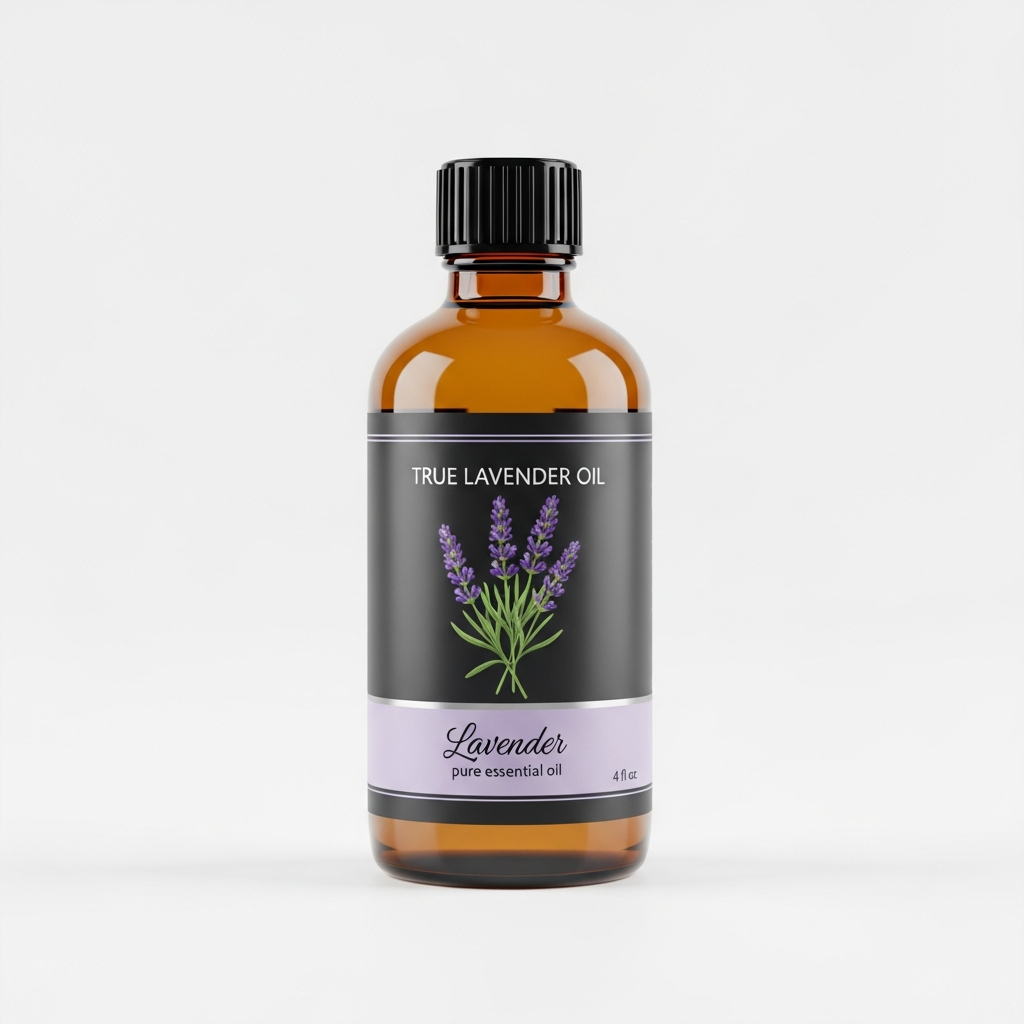
Lavender Essential Oil
Our own Lavender Essential Oil, in sizes from 0.5 oz to bulk.
From $12.99
Shop Now →What lavender brings
Our angustifolia oil is described as soft, floral and gently herbaceous with a clean, sweet finish, and as a middle note. We suggest it with citrus, cedarwood, chamomile, bergamot, clary sage and geranium. Those pairings are aroma suggestions, not test results. We sell only our four lavender-family oils, so the partner oils come from another supplier, and a supplier that names the botanical species on the bottle makes the choice much easier.
Partners that echo lavender
Clary sage and bergamot are the classic echoes, and the chemistry hints at why. In one survey of Salvia oils, six clary sage samples carried linalyl acetate at 21.2% to 25.7% and linalool at 13.6% to 24.5% (Tomou et al., 2024). A review of bergamot oil reports linalyl acetate at 15% to 40% and linalool at 2% to 20%, alongside a large share of limonene (Navarra et al., 2015). Linalool and linalyl acetate are also the headline notes in lavender, so pairing it with either partner deepens a scent it already has. That is our reading of the numbers, not a sensory study: clary sage should read as a relative of lavender, and bergamot lifts the same sweet floral core with citrus on top.
It also means those blends lean on the same few molecules, and they are the ones that change in air. In a 2008 study of lavender oil, they oxidised at the same rate as the isolated compounds and the oil became a stronger skin sensitiser. In a patch-test series of 821 dermatitis patients, 11.7% reacted to linalool hydroperoxides (Dittmar and Schuttelaar, 2019). The practical takeaway is friendly: mix from fresh bottles, keep them capped and store them cool and dark.
Partners that contrast
Citrus oils give lavender a bright top. The same patch-test series found 9.4% of patients reacting to limonene hydroperoxides, which form as citrus oil ages, so a citrus bottle that has been open a long time is worth replacing before it goes into a blend. For a first blend, sweet orange or mandarin keeps things soft, while lemon pushes it crisper.
Bergamot has one rule worth knowing if the blend goes on skin. The Tisserand Institute reports the IFRA guideline for bergamot oil as a maximum of 0.4% in the final product on skin exposed to sunshine, with wash-off products exempt, and says bergapten-free bergamot is considered non-phototoxic. Check what is on your bottle's label. As arithmetic, 0.4% of 1 oz (29.57 ml) of finished product is about 0.12 ml of bergamot.
Partners that change the personality
Cedarwood brings dry, woody depth, and geranium adds a rosy green note, and both sit comfortably under lavender because neither competes with its sweetness. For a blend that stays soft and floral, the angustifolia oil is the natural base.
If you want something greener and sharper, lavender species matter. A 2023 review of lavandin finds its composition similar to true lavender but with more terpenes that give camphor notes, with camphor ranging from 2% to 33% and most often 5% to 10% (Pokajewicz et al.). Our spike lavender is described as sharp, camphoraceous and herbaceous, and our lavandin grosso as having a camphor-tinged lift. Those suit brisk partners such as rosemary or eucalyptus, which is where we suggest each of them. The 40/42 grade is a trade grade whose species its page does not state, so ask us before ordering if the species matters to your blend.
Smelling a pairing before you commit
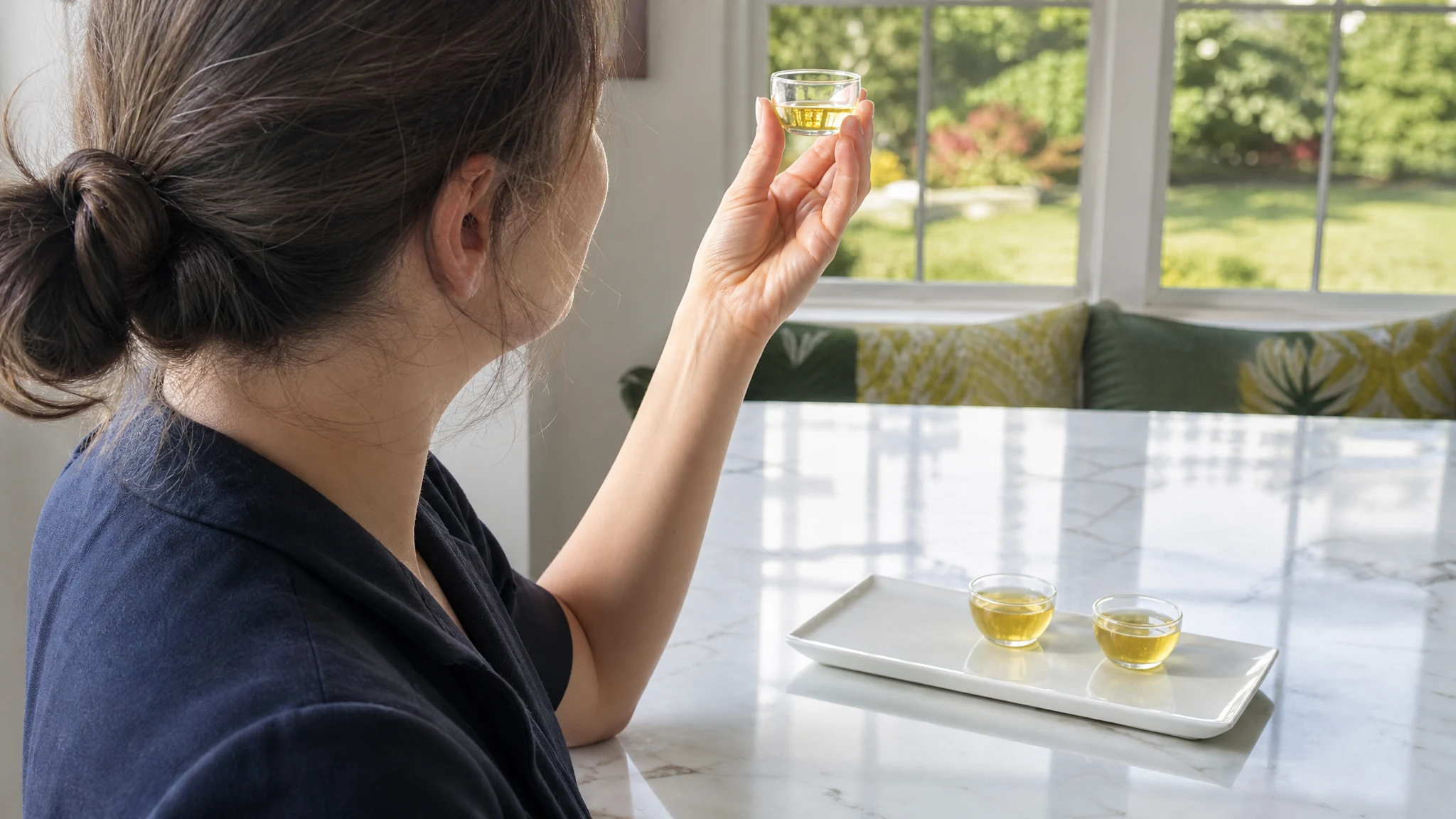
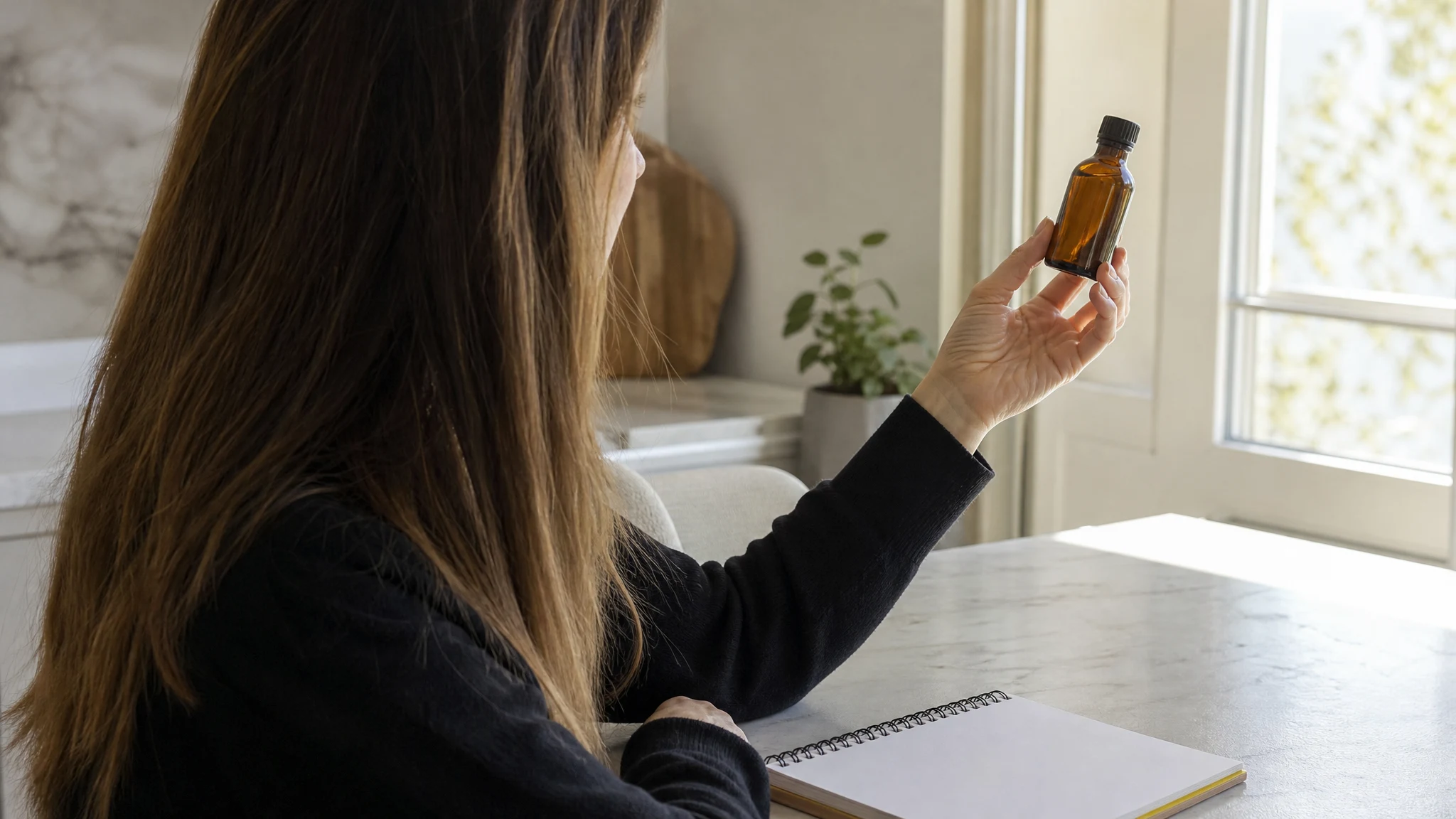
The nicest way to audition a partner is on paper. Put a drop of lavender on one clean paper strip and a drop of your candidate on another, then hold them together an inch under your nose and wave them slowly. You will notice the sharp top notes first and the sweeter heart a few minutes later, so give each pairing time before you judge it. Rest your nose between attempts, and smell the strips again an hour later, because the blend will have shifted. A cap on the bottle between sniffs keeps things fresh and tidy.
Keep a little notebook beside you. Writing down a few words about each pairing, such as "rounder", "greener" or "too sweet", turns a pleasant hobby into a recipe collection you can come back to.
Counting a blend properly
Whatever you choose, dilution is about the total. Say you want a body oil at 1% overall, which sits inside Tisserand's 1% to 3% range for body products and below our 0.5% to 2% guidance. One ounce of carrier is 29.57 ml, so 1% is about 0.30 ml of oil in all. Two parts lavender to one part clary sage works out to about 0.20 ml and 0.10 ml, or roughly 4 and 2 drops at 20 drops per ml. A third oil takes a share of that same 0.30 ml; it does not add a third percentage. That is arithmetic, not a tested recipe, and droppers vary.
For skin, we would stay at the lower end: Tisserand gives 0.5% to 1.2% for the face, and we do not treat 2% as a safe line for anyone. Skin reactions do happen, which is why the patch test advice in our patch test post is worth reading. If pets live with you, read our cat post before diffusing a blend.
Once you know which oils echo and which contrast, building a blend becomes a matter of taste. Our lavender, clary sage and bergamot post is a good place to start, and lavender versus chamomile covers another classic partner. If you blend often, our bulk sizes and guide to buying lavender oil in bulk cover larger quantities of the lavender.
Lavender Essential Oil
Lavender Essential Oil from our own shop, in sizes from 0.5 oz to bulk.
From $12.99
Shop Now →Sources & Further Reading
- Tomou EM et al. Chemometric Analysis Evidencing the Variability in the Composition of Essential Oils in 10 Salvia Species from Different Taxonomic Sections or Phylogenetic Clades. Europe PMC 38611827
- Navarra M et al. Citrus bergamia essential oil: from basic research to clinical application. Europe PMC 25784877
- Hagvall L et al. Lavender oil lacks natural protection against autoxidation, forming strong contact allergens on air exposure. Europe PMC 18759894
- Dittmar D, Schuttelaar MLA. Contact sensitization to hydroperoxides of limonene and linalool: Results of consecutive patch testing and clinical relevance. Europe PMC 30378131
- Tisserand Institute. Phototoxicity: essential oils, sun and safety. tisserandinstitute.org
- Pokajewicz K et al. Lavandula x intermedia-A Bastard Lavender or a Plant of Many Values? Part I. Biology and Chemical Composition of Lavandin. Europe PMC 37049706